
Collaborative Post
You might have been freelancing as a photographer for a while, but now you want to take the next step up, make an extra commitment, and turn it into your primary business, like Emma Lowe Photography. This isn’t to gatekeep and say that freelancers are any less professional, but there is a level of investment that typically comes with the transition from “working freelance” to “running a business.” Here, we’re going to look at some of the preparatory steps you can take to do the latter.
Make a business plan (yes, really)
A business plan isn’t just an idea of what kind of business you want to run and how you’re going to run it. It’s an important exercise in being able to set realistic, achievable, and measurable goals for your business and laying out a course of action that is going to actively take you there. It will usually include, amongst other things, a level of profit or growth, as well as the financial details on how you’re going to hit it, how you’re going to price services, and how regularly you need to be acquiring business to meet your goals, as well as the figuring of the costs of starting the business too. It’s a highly practical outline of how you’re going to run your business and you are going to need it.
Choose a niche to focus on
You might be willing to take any and every kind of photo that you can in order to gain access to the widest range of customers possible. However, that approach isn’t great for marketing and convincing your clients that you’re the right specific choice for them. People who are getting married want a wedding photographer. Businesses who are trying to market their products want a product photographer. There are a lot of photography niches that you should take the time to look into and consider which is not only best suited to your skills but also which market you think is ripe for your entry into it.
Make sure you’re equipped with professional-level equipment
You may already have a lot of the equipment that you’re going to need to start providing professional-level photography services, but there’s nothing wrong with double-checking and asking if you need to buy anything else or upgrade from your existing assets. There are lists for photography business equipment that you should take a look at. They should include the obvious, including the camera, lenses, tripods, and so on, as well as staging equipment such as backdrops and lighting equipment. You also need to consider which software you might need, such as photo editing software, to give your photos the professional finish that they will need. If you have a limited startup budget, you’re going to need to prioritize what you’re investing in, first. It’s also important to protect your equipment and your work by investing in photography insurance, which can cover accidental damage, theft, and liability.
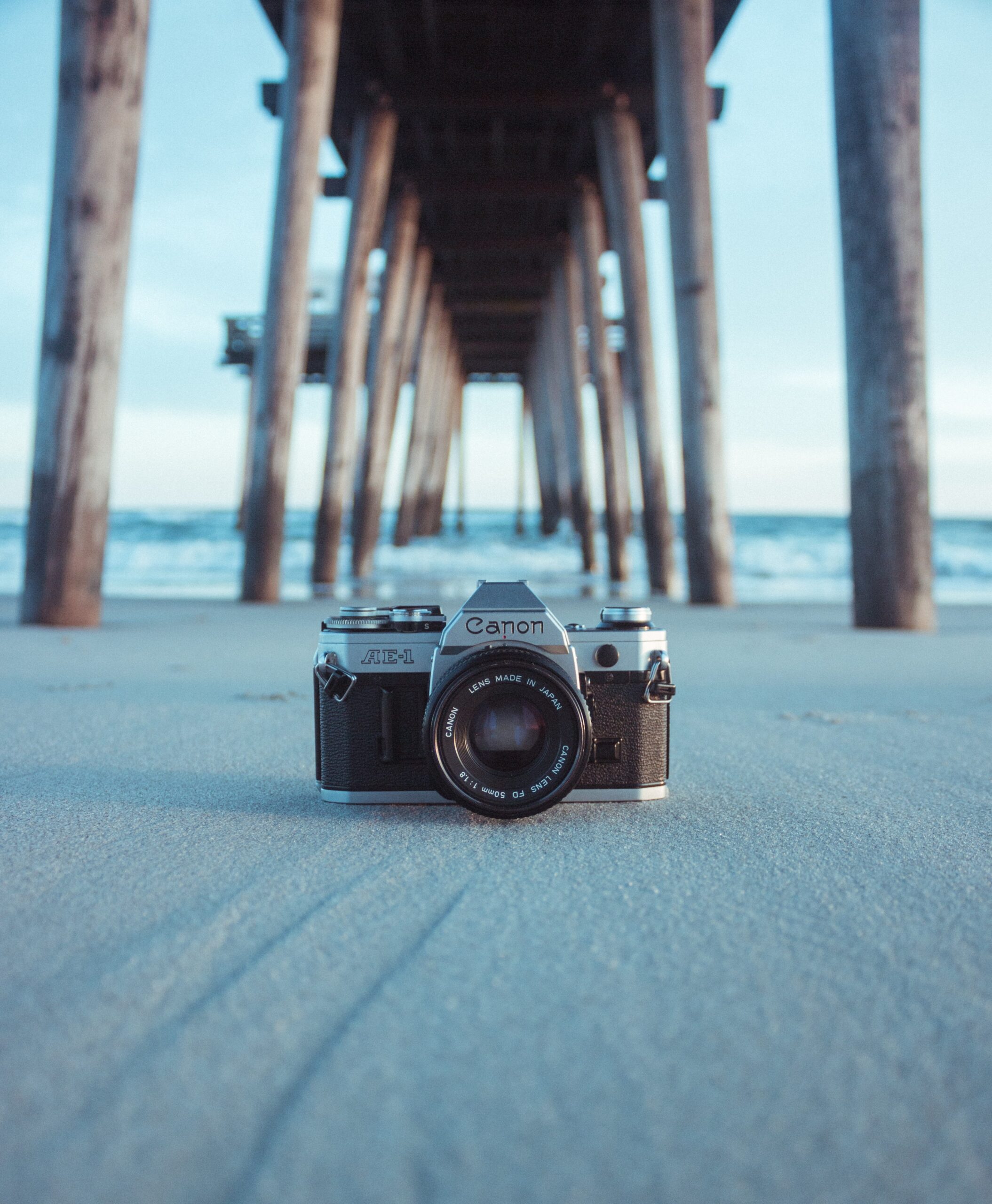
Photo by Ethan Hoover on Unsplash
Focus on building a portfolio
Your portfolio is going to be one of the strongest tools when it comes to selling your services and marketing your expertise. If you have been working as a freelancer for a long period of time, then you may be ready with the portfolio that you need. If not, then you might want to consider offering your services at a discount or even for free. You might want to even volunteer with people that you know to make sure that you can get photos that fit your specific niche. Even if you have plenty of examples of great photography, you need to make sure that you’re able to market the specific niche you’re trying to hit.
Understand that you’re going to do a lot more than just take photos
You should consider any additional education or training that you might need to get yourself in the right place to run a business. Business management courses might be able to help you get to grips with a lot of practical aspects of running a business that you haven’t fully considered just yet. Aside from taking photos, you are also going to be making marketing decisions, trying to sell people on your services directly, managing your own work schedule, taking care of your finances, and much more. You have to be ready to run a business, which some people can get to grips with, but others might need some time to learn what that will entail, first.
Start learning everything about your audience
One of the best things about choosing a niche to hone down on is that it suddenly narrows your target market. This can be highly helpful because you can be much more specific about how you market, how you position your business, and what avenues you use to try and reach new clients. Get to know your audience, what they want from your particular kind of photography business, and where best to reach them. Put together an ideal client profile, that can help you get a better idea of how to specifically communicate and brand your business.
Recognize that your image matters, too
Professionals who work in the world of aesthetics, such as photographers, are expected to be able to represent their aesthetic style and sense even beyond their photography itself. This extends to making sure that you have a professionally designed website with bespoke created visual assets that helps you stand apart with your own brand. However, it also applies to how you carry yourself in the real world. A professional dress sense, even if it’s not necessarily office-wear, can be very helpful, and you might even want to go the extra step of creating an impactful business card. If you can create a striking first impression, it will impress people and make them more likely to believe that your photography is the real thing, too.
Protect your assets
There are some assets that your business is going to rely heavily on in order to make money. Those are, predominantly speaking, your photography equipment, yourself, and the digital tools you use to access and edit photos. For the former, you should consider looking at options like Aaduki photography insurance so that if there is a problem with your equipment, you can get the funding that you need to repair or replace them as soon as possible. Some people might go the extra mile and invest in income protection insurance to pay out if you ever have to take extended time off due to injury or illness.
Backup what you need
The third asset, as mentioned in the point above, is the set of digital tools (as well as digital storage) that you use to keep your photos and edit them. These are all most likely going to be stored on a device that you use most of the time for your work. However, you need to be prepared for the event that you are no longer able to access that device. For instance, consider having a backup laptop or device that you can download your photo editing software onto, and keep access to a Cloud server that you can use to securely store any photos or work materials that you’re going to need to keep a hold of. Otherwise, if you lose access to your digital device, you could lose months or even years of work.
The tips above are not the end-all and be-all of running a photography business, of course. You should continue to look for tips and insights from those who have taken similar steps in the industry and always be improving your approach to business, but hopefully, it gives you some ideas on how to get yourself established and operational as a business.