
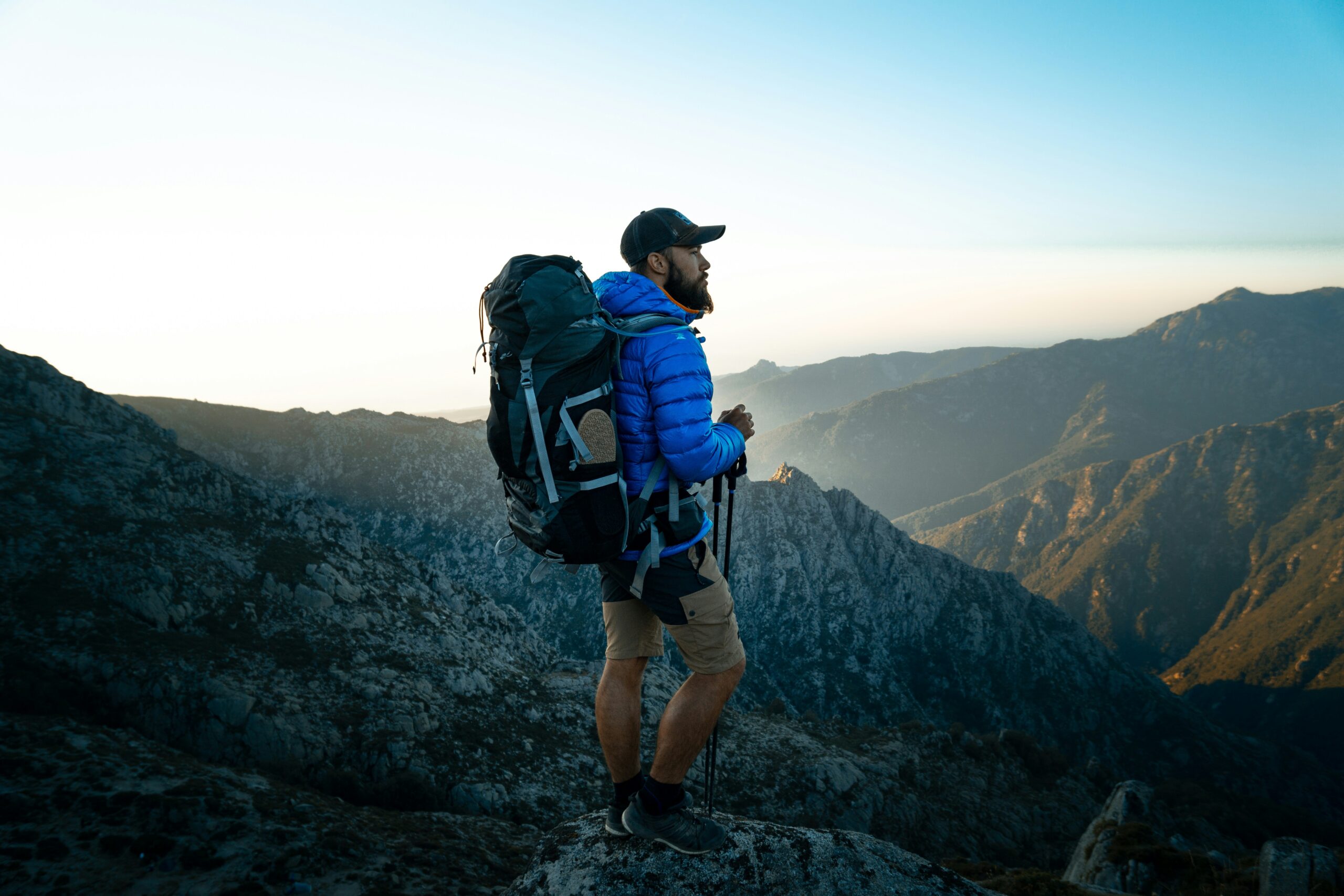
Photo by lucas Favre on Unsplash
Getting ready for an outdoor adventure often feels exciting long before you even hit the trail. It starts with the quiet thrill of planning and packing, laying out all your gear, and picturing the journey ahead. But that excitement can quickly turn into stress if you’re not sure what to bring. Pack too much, and you’ll be weighed down; pack too little, and you might not be ready for what comes. The trick is finding that sweet spot, making sure you have everything you need for a safe and fun trip without carrying extra stuff you don’t need. This guide will walk you through the must-haves, helping you pack smart for any outdoor trip.
The Foundation: Your Pack and Hydration System
Before you can even think about what to put inside, you need something to carry it all. Your backpack is probably the most important piece of gear you’ll own, acting like your mobile home base. The right pack should feel like it’s part of you, spreading the weight out evenly and comfortably. When you’re picking one, think about how long your typical trips are. A daypack that holds 20-35 litres is usually fine for short hikes, but for overnight or multi-day adventures, you’ll want something bigger, like a 40-70 litre pack.
How it fits is super important. A pack that’s too big or too small for your body will just cause discomfort and strain. Most outdoor shops can measure you to make sure you get the right fit. Look for things like adjustable straps, a comfy padded hip belt, and good ventilation so your back doesn’t get too sweaty. Staying hydrated is also a big deal. Getting dehydrated can quickly ruin an adventure, so having a reliable way to drink water is a must. While water bottles work, lots of modern packs have built-in hydration reservoirs. This kind of system lets you sip water as you go without having to stop and dig through your bag. A tough, well-designed pack like the camelbak motherlode offers generous storage alongside a dedicated hydration compartment, making it a practical all-in-one choice for staying hydrated and organised on the move.
Mastering the Art of Layering Your Clothing
The weather outdoors can be super unpredictable, changing from bright sunshine to chilly winds in just minutes. The secret to staying comfy through it all is mastering the art of layering. Instead of one big, bulky jacket, a system of layers lets you adjust by adding or taking off clothes as the weather or your activity level changes. This system usually has three parts.
- Base Layer: This is the clothing you wear right against your skin. Its main job is to pull moisture and sweat away from your body to keep you dry. Look for materials like merino wool or synthetic fabrics such as polyester. Definitely avoid cotton, because it soaks up moisture and can leave you feeling cold and damp.
- Mid Layer: This is your insulation layer. It’s there to trap your body heat and keep you warm. Fleece jackets, down-filled puffers, and wool jumpers are all great options. How thick your mid-layer needs to be depends on how cold you expect it to get.
- Outer Layer (or Shell): This layer protects you from the elements. A good outer layer should be both waterproof and windproof. Look for a jacket with a breathable membrane that lets sweat escape while keeping rain and wind out. This stops you from getting clammy from the inside.
Putting these three layers together helps you create a flexible wardrobe that will get you through almost any weather you might run into.
Navigation, Safety and the Ten Essentials
Getting lost or not being ready for an emergency can quickly turn a fun day outside into a dangerous situation. That’s why experienced adventurers always carry what are known as the Ten Essentials. This is a list of safety and survival items you should have in your pack every single time you go out, even for short trips. The exact list might change a little, but it generally covers things for navigation, staying warm, sun protection, and first aid.
Here are the main things you should always have:
- Navigation: A map of the area and a compass are super important. Even if you have a GPS device or a phone app, batteries can die, so having a traditional backup is key.
- Headlamp: A hands-free light source is vital if you end up out after dark. Don’t forget to pack extra batteries.
- Sun Protection: Suncream, sunglasses, and a wide-brimmed hat are needed to protect you from UV rays, even on cloudy days.
- First-Aid Kit: You can buy one already put together or build your own. It should have plasters, antiseptic wipes, blister treatment, pain relief, and any personal medications.
- Knife or Multi-tool: Super useful for everything from fixing gear to getting food ready.
- Fire: Pack a lighter, waterproof matches, and a fire starter in a waterproof container.
- Emergency Shelter: A lightweight emergency bivi bag or space blanket can really save you if you get stuck overnight.
- Extra Food: Pack more than you think you’ll need. High-energy snacks like nuts or protein bars are perfect.
- Extra Water: Carry at least one litre more than you expect to drink, or bring a water filter or purification tablets.
- Extra Clothes: A spare layer, like a dry base layer or extra socks, can be crucial for staying warm if you get wet.
Having these essential items for outdoor adventures gives you a safety net, so you can handle unexpected situations with confidence.
Don’t Forget Your Feet: Footwear and Socks
Your feet are how you get around on any hike, so taking good care of them is super important. The wrong footwear can lead to painful blisters, sore joints, and a miserable time. Deciding between hiking boots and trail running shoes often comes down to what you like best and what kind of ground you’ll be on.
Hiking boots give great ankle support and are tougher, making them perfect for rocky, uneven paths or when you’re carrying a heavy pack. They’re usually stiffer and need some “breaking in” before you take them on a long trip. Wear them around the house and on short walks to let them mold to your feet.
Trail running shoes are lighter, more flexible, and don’t need as much breaking in. They’re a good choice for well-kept trails and for people who want to move quickly and easily. But they don’t offer as much ankle support and protection.
No matter what shoes you pick, socks are just as important. Just like with your base layer, avoid cotton. Cotton socks soak up sweat, which is the main reason people get blisters. Instead, go for socks made from merino wool or synthetic blends. They pull moisture away, offer cushioning, and help keep your temperature regulated. Always pack at least one extra pair. Changing into dry socks halfway through a long day can feel like a complete refresh for tired feet.
Gadgets, Gear and Personal Items
Once you’ve got the main essentials sorted, you can start thinking about other items that make a trip more comfortable and fun. This is where you can really customise your pack for what you need and what kind of adventure you’re going on. A thorough adventure travel gear checklist can help you remember all the smaller bits and pieces.
Trekking poles are a popular addition; they help take the strain off your knees when you’re going downhill and give you extra stability on tricky ground. For those who rely on tech, a portable power bank is a must for keeping your phone and GPS device charged. A camera is great for capturing memories, but your phone can often do the job just as well, saving you weight and space.
Don’t forget basic toiletries, but keep them simple. A travel-sized toothbrush, toothpaste, and biodegradable soap are usually all you need. Insect repellent can be a lifesaver in many areas. For longer trips, you’ll need more stuff. You might need more clothes, cooking gear, or a stronger shelter. Looking at a longer-term packing list can be super helpful when you’re planning a longer journey. The main thing is to look at each item and ask yourself if its benefits are worth the weight and space it will take up in your pack.
Packing for an outdoor adventure is a skill that gets better with practice. Start with these basics, and after each trip, take a moment to think about what you used and what you didn’t. Soon enough, you’ll have a perfectly organised system that gets you out the door and onto the trail with confidence.