
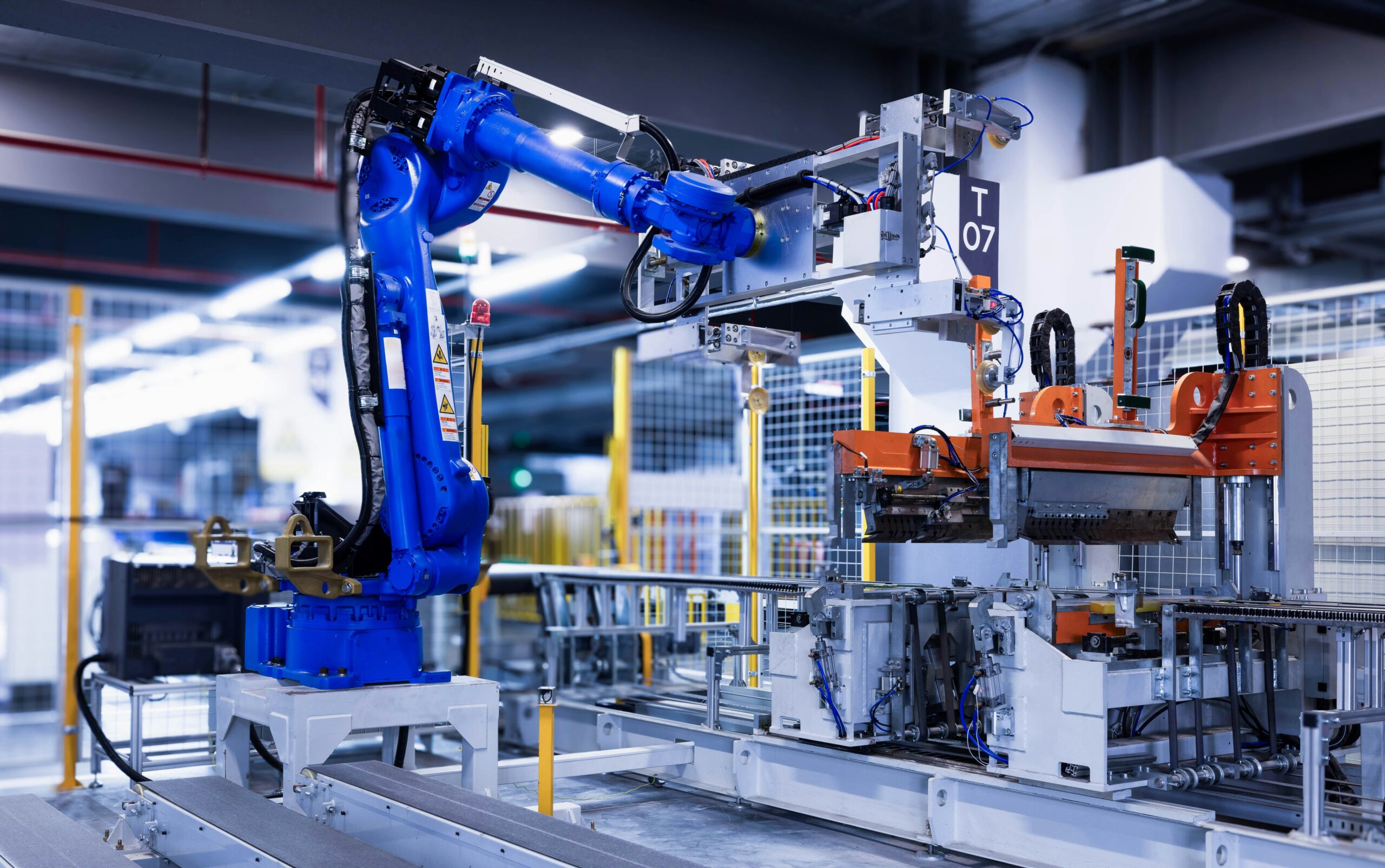
Photo by Homa Appliances on Unsplash
When you pick an item off a supermarket shelf or unbox a new electronic device, you probably just trust it’s safe to use. This isn’t by chance; it’s because responsible companies follow a complex, multi-stage process to make sure their products meet strict safety standards.
From the first design idea to the moment it reaches your hands, a product goes through countless checks and balances, all designed to protect you, the customer. Understanding this behind-the-scenes effort can make you appreciate the items we use every day even more.
The Journey of Product Development
A product’s safety journey starts long before the first unit is ever put together. It begins on the drawing board, during the initial design and development. Engineers and designers don’t just think about how something looks or works; they also have to spot potential dangers right from the start. This proactive approach is key to making sure product safety and compliance.
During this phase, teams do risk assessments to predict how a product could fail or cause harm. For a child’s toy, this might mean looking at small parts that could be a choking hazard. For a kitchen appliance, it could involve checking electrical parts for fire risk or ensuring materials are safe for food. Choosing the right materials is also crucial. Companies must pick materials that are not only strong and suitable for the job but also free from harmful substances.
Then, prototypes are created and put through tough in-house tests that mimic real-world use and abuse. This cycle of designing, testing, and refining helps fix problems before the product ever goes into mass production. The goal is to build safety into the product from the ground up, rather than trying to add it later. This foundational stage sets the standard for the entire manufacturing process, guided by established principles for product development.
Quality Control at Every Step
Once a product design is finished and approved for production, the focus shifts to keeping up quality and safety on the factory floor. This is where quality control (QC) becomes essential. QC isn’t just one check at the end of the line; it’s a continuous process built into every step of manufacturing.
It often begins with inspecting raw materials as they arrive. Suppliers are carefully checked, and their materials are tested to confirm they meet the necessary specifications. Throughout the assembly process, automated systems and human inspectors watch production to catch any deviations from the standard. These checks might involve measuring parts to ensure they are within tolerance, testing the strength of welded joints, or verifying that electrical circuits are wired correctly. Following established manufacturing best practices isn’t just about efficiency; it’s a core part of managing risk.
Finished products then undergo batch testing. A random sample from each production run is put through a series of final tests to confirm it meets all safety and performance criteria. For example, a batch of mobile phones might be tested for battery performance and heat generation, while a set of car seats would go through crash testing simulations. Only when a batch passes these strict checks is it cleared for packaging and distribution.
Traceability: A Key to Safety
In today’s global supply chain, being able to track a product from where it started to the customer is incredibly important for safety. This ability is called traceability. It lets a company pinpoint exactly where and when a product was made, which components were used, and where it was shipped. This detailed record-keeping is a lifesaver if a problem is found after a product has left the factory.
This happens thanks to sophisticated systems that put unique codes on each item or batch. Modern industrial coding and marking systems allow manufacturers to print batch numbers, expiry dates, serial numbers, and QR codes directly onto products and their packaging. These codes act like a digital fingerprint, connecting the physical item to a database that holds its entire production history. For complex items like cars or electronics, this can include information on every single component, from the smallest screw to the main processor.
In the food industry, this is especially crucial. Being able to trace a single contaminated ingredient back to a specific farm or supplier can be the difference between a small, targeted recall and a widespread public health crisis. The food production relies heavily on this technology to ensure that if a problem like a bacterial outbreak happens, the affected products can be quickly identified and removed from circulation.
Recalls and Rapid Response
Even with the best design and quality control, mistakes can happen. When a safety defect is found in a product that has already been sold, a company must act quickly and decisively to protect the public. This is when a strong traceability system really proves its worth.
A product recall is when a company asks customers to return, exchange, or replace a product after a safety issue or defect has been discovered. Using data from their traceability systems, companies can figure out exactly which batches or serial numbers are affected. This allows them to issue a highly targeted recall, notifying distributors, retailers, and customers who might have bought the faulty item. Instead of a vague warning about a particular product model, they can specify “products with batch numbers between X and Y” or “items sold between specific dates.”
This precision reduces public worry and makes the recall less costly and logistically challenging. Companies typically use several ways to announce a recall, including press releases, social media, direct emails to registered customers, and notices on their websites. They provide clear instructions on how to identify the affected product and what steps customers should take, whether it’s returning the item for a refund or getting a repair kit. A well-managed recall shows a company’s dedication to customer safety and can help maintain trust even when things go wrong.
Empowering Consumers with Information
While companies are primarily responsible for product safety, consumers are the final link in the chain. Being an informed and careful user can add an extra layer of protection for you and your family. The information printed on products and packaging is there for a reason, and knowing how to understand it is a valuable skill.
Take a moment to look at the labels on the products you buy. Check for batch numbers, expiry dates, and serial numbers. These are the keys to traceability. If you ever hear about a product recall, this is the information you’ll need to see if your item is affected. Also, look for certification marks, like the CE mark in Europe, which means the manufacturer has declared the product meets EU safety, health, and environmental requirements.
Registering your products, especially larger appliances and electronics, is also a smart move. While it might seem like a marketing tactic, registering your purchase ensures the company can contact you directly if there’s a safety recall. Finally, if you ever have a problem with a product that you think is a safety risk, report it. You can tell the manufacturer and also national consumer protection agencies. Your feedback can be the first sign that triggers an investigation and potentially prevents others from being harmed.
The safety of the products we use is a shared responsibility. The intricate systems companies put in place provide a powerful foundation for safety, built on careful design, rigorous testing, and detailed traceability. Understanding these processes and knowing what to look for helps you be a more confident and empowered consumer.