
Collaborative Post

Occupational health risks are an ever-present reality, affecting millions of workers across various industries. From the office cubicle to the construction site, these risks can significantly impact a worker’s health and overall well-being. Understanding and mitigating these risks is not just a matter of personal safety but also crucial for maintaining productivity and job satisfaction. This article aims to shed light on common occupational health risks and provide practical advice on how to avoid them. By staying informed and taking proactive steps, workers can safeguard their health and ensure a safer work environment.
1. Repetitive Strain Injuries (RSIs)
Repetitive Strain Injuries are a common issue for both office workers glued to their keyboards and laborers performing repetitive manual tasks. These injuries occur from prolonged repetitive motion and can lead to conditions like carpal tunnel syndrome or tendonitis. To prevent RSIs, it’s essential to set up an ergonomic workspace, ensuring that your desk, chair, and computer are positioned to reduce strain. Regular breaks are also important – remember to stretch and change positions frequently. Incorporating specific exercises that strengthen and relax your muscles can further help in avoiding these injuries.
2. Exposure to Asbestos and Mesothelioma
Certain industries, particularly construction and manufacturing, pose the risk of asbestos exposure, a known cause of mesothelioma, a severe form of cancer. Workers should be aware of the environments where asbestos might be present and take necessary precautions. For more detailed information on this risk and related legal rights, resources like Mesothelioma Hope can be invaluable. It’s imperative for workers to use appropriate protective gear and for employers to provide proper training on handling materials that may contain asbestos. Regular health check-ups and awareness of the symptoms associated with mesothelioma are also key in early detection and treatment.
3. Hearing Loss in High-Noise Environments
Occupations that involve exposure to high levels of noise, such as construction, manufacturing, or music, can significantly increase the risk of hearing loss. It is essential to use protective earwear, such as earmuffs or earplugs, in these environments. Employers should enforce noise control measures and conduct regular hearing tests for employees. Workers can also adopt practices like limiting time spent in noisy areas and ensuring regular breaks away from the noise to reduce the risk.
4. Respiratory Issues from Airborne Particles
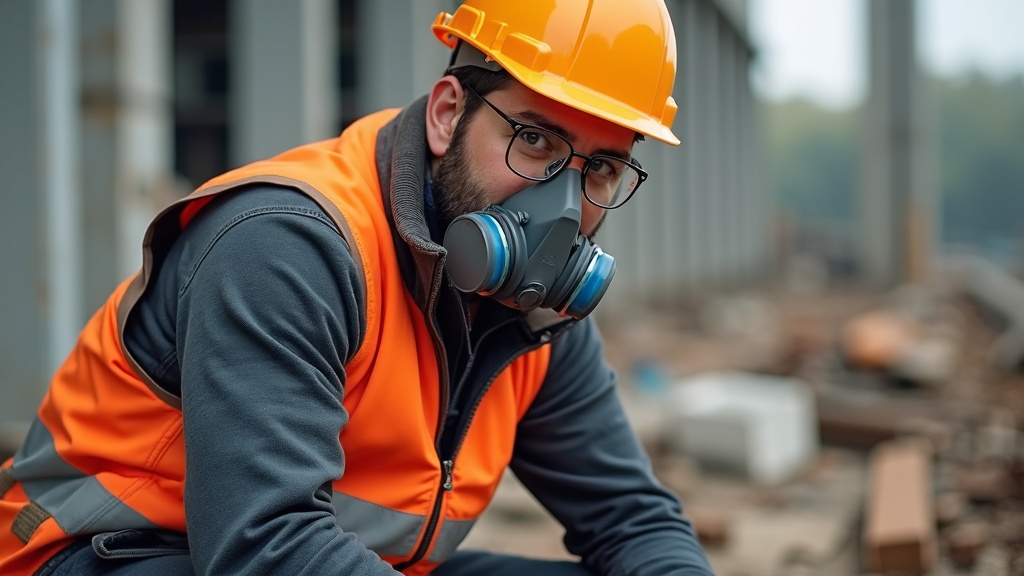
Jobs that involve exposure to dust, fumes, or other airborne particles, like woodworking, mining, or painting, can lead to serious respiratory issues. Wearing appropriate respiratory protection, such as masks or respirators, is crucial. Workplaces should be well-ventilated, and employers should enforce safety protocols to limit exposure. Regular health check-ups that include lung function tests can also help in early detection of any respiratory problems.
5. Chemical Exposure Hazards
Chemical hazards are present in various industries, from cleaning to manufacturing. Exposure to harmful chemicals can cause a range of health issues, including skin irritation, poisoning, and long-term diseases. To avoid these risks, proper training in handling chemicals is essential. Workers should always use recommended protective gear, like gloves and safety goggles. Understanding and following the guidelines provided in Material Safety Data Sheets (MSDS) for each chemical is also crucial for safe handling.
Many companies now use digital tools to keep track of these safety sheets and monitor their chemical inventory in real time. Implementing a dedicated platform like chemalert helps safety officers organize safety data sheets and assess risks across different departments. This system makes it easier for staff to access safety information quickly during their shifts. Having this data in one central place reduces the chance of handling errors and keeps the workplace compliant with safety laws.
6. Stress and Mental Health in High-Pressure Jobs
Stress and mental health challenges are increasingly recognized as significant occupational health risks, especially in high-pressure environments like finance, healthcare, and law enforcement. Chronic stress can lead to burnout, depression, and anxiety, affecting both personal well-being and work performance. To combat this, individuals should prioritize work-life balance, ensuring they have enough time for relaxation and leisure activities. Employers can also play a role by promoting a healthy work culture and providing resources for stress management.
This can even go as far as investing in equipment that eases the workload, like packing machines on manufacturing floors, or software that prevents employees from spending hours on collecting background data. But above all, make sure your employees know it’s OK to have a bad day.
Seeking professional help when needed is not a sign of weakness but a proactive step toward maintaining mental health.
7. Musculoskeletal Disorders from Heavy Lifting
Heavy lifting, common in industries like construction, warehousing, and healthcare, can lead to musculoskeletal disorders. These include back injuries, muscle strains, and joint problems. To prevent such injuries, it’s important to use proper lifting techniques – bending at the knees, keeping the back straight, and not lifting objects that are too heavy for one person. Using equipment like forklifts or dollies can also help reduce the strain. Employers should provide training on safe lifting practices and ensure that employees have the necessary equipment to perform their jobs safely.
8. Vision Strain from Prolonged Screen Time
With an increasing number of jobs requiring prolonged computer use, vision strain is becoming more common. Symptoms include eye fatigue, dryness, and blurred vision. To reduce the risk, follow the 20-20-20 rule: every 20 minutes, look at something 20 feet away for 20 seconds. Regular eye exams are crucial to detect and address any vision issues early. Ensuring proper lighting in the workspace and using anti-glare screens can also help minimize eye strain.
9. Slips, Trips, and Falls in the Workplace
Slips, trips, and falls are among the most common workplace accidents across various industries. They can be prevented by maintaining clear walkways, promptly cleaning spills, and using signage to indicate wet or uneven floors. Employers should ensure that work areas are well-lit and free of clutter. Non-slip mats and proper footwear can also significantly reduce the risk of these types of accidents.
10. Electrical Hazards in Construction and Maintenance
Electrical hazards are a significant risk in construction and maintenance work. They can lead to serious injuries or even fatalities. To avoid these risks, workers should be trained in electrical safety and always use appropriate personal protective equipment. It’s important to follow established safety procedures, such as tagging and locking out electrical circuits when working on them. Regular inspections of tools and equipment for wear and tear are also essential.
Prioritizing Health in the Workplace
Occupational health risks are a reality in nearly every work environment, but they can be significantly mitigated with the right knowledge and precautions. From managing stress in high-pressure jobs to practicing safe lifting techniques and protecting against UV exposure, understanding and addressing these risks is vital. Both employees and employers have a role to play in creating safer workplaces. By staying informed and proactive about occupational health, we can all contribute to a safer, healthier work environment that benefits everyone.