
Collaborative Post
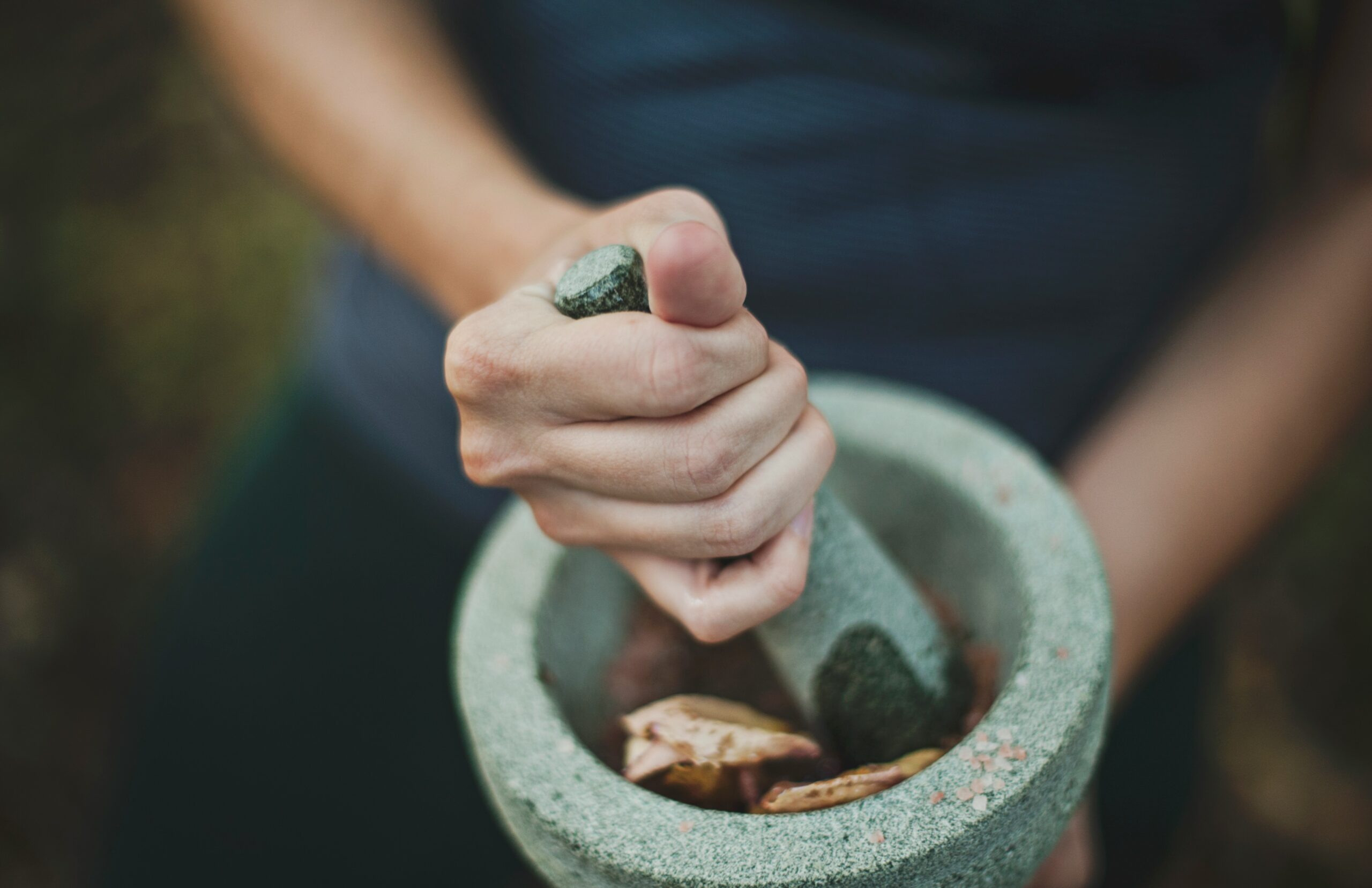
Photo by Katherine Hanlon on Unsplash
Most people put their faith in modern medicine to heal them. But what most patients don’t understand is that the majority of popular drugs actually come directly from plants. Fruits, stems, leaves, and bark all contain unique compounds that have anti-disease action in the body.
Of course, when the pharmaceutical industry gets hold of these compounds, it needs to refine and patent them. Therefore, the actual treatments you receive rarely look like the original plant.
However, it is worth noting that the source for most medications is the plant kingdom, which should automatically tell us something about the healing properties of some species.
If you go back thousands of years through history, you discover that nearly every culture has a herbal tradition. Much of it was steeped in mysticism, but it likely emerged from the ability of certain plants to deliver cures.
It is only recently that these treatments are being used again in medicine as more practitioners recognise the benefits of holistic approaches.
For example, artemisinin therapy for cancer is exploding in popularity. It uses a plant extract demonstrated in various cell lines to kill cancers with high iron content. It’s not a standard procedure by any means, but it is becoming increasingly pervasive.
Then, at the same time, we have the explosion in the popularity of turmeric for rheumatoid arthritis patients. Before interest in the spice, most had to make do with steroid injections. But consuming herbs can also massively reduce inflammation, setting people up for healthier and less painful lives.
Potential Benefits
The potential benefits of herbs are significant. Almost every single one researchers have studied has turned out to yield some sort of unexpected benefits, such as ginger for migraines or black seed for reducing the harmful lung effects of diesel pollution.
Unfortunately, the literature is still basic and underfunded. There’s no money in herbs and spices because you can’t patent them, so no one’s interested in funding studies of them. The few investigations and explorations we do have are promising, but methodologies suffer from flawed assumptions and small sample sizes.
What’s more, the medical establishment as a whole is opposed to herbs and spices as medicine. It believes in a pharmacological approach, which changes the character of the information patients can find on the internet. Most official sources offer a negative view of these foods, dismissing their benefits or using the lack of evidence as proof herbs and spices don’t work.
Even the notion of a “herbal remedy” seems primitive to many leaders in the healthcare field. The notion that ancient societies might have had knowledge that we’ve lost seems insulting, given the level of sophistication of our understanding of health and nutrition, and the tools at our disposal.
So, Where Are We Now?
The current consensus is that people should consume herbs and spices in culinary quantities and that they are useful as complementary therapies for some conditions. However, the idea that you might be able to treat a disease with these items remains beyond the realm of possibility for most medical professionals.