
There’s a low-key shift taking place in elder care and, yes, it feels overdue. For years, the dialogue around senior living was all about the medical charts and routines and all the other things that look good on paper. But in recent years, a new vision has emerged. Something that’s less clinical and, you don’t know, warmer; it’s less impersonal, perhaps. More based on the belief that safety and health aren’t merely boxes to check off, not as if they’re just measures of a person’s daily comfort level. They are lived, everyday experiences.
#1 Place To Call Home
What you continue to notice is that modern elderly homes are attempting to be spaces in which people may still feel like themselves. Not just residents, but people with lived experiences and idiosyncrasies and the ways in which they do things. And that change changes everything, from the way staff members communicate to room organization.
Sometimes you find yourself thinking about a dear friend whose mother moved into assisted living last year. She says the biggest surprise was that the staff remembered her mom’s habit of humming old gospel melodies in the morning. That tiny thing lingered for me. Safety was also hard-wired into these moments, so they felt soothing.
#2 Safety Comes First
Now that’s, of course, where the more practical side of safety matters. Mobility support, better lighting and easier things like clearer walking paths have all been increased. That newer vision is not of bubble-wrapping anyone. It’s making the environment seem trustworthy.
When administrators discuss ways of preventing bed rail injuries, for instance, it’s not about rules alone. It’s about dignity, while the protection of people is retained. Often, the simplest fixes bring about the greatest change.
#3 Nurturing and Well-Being
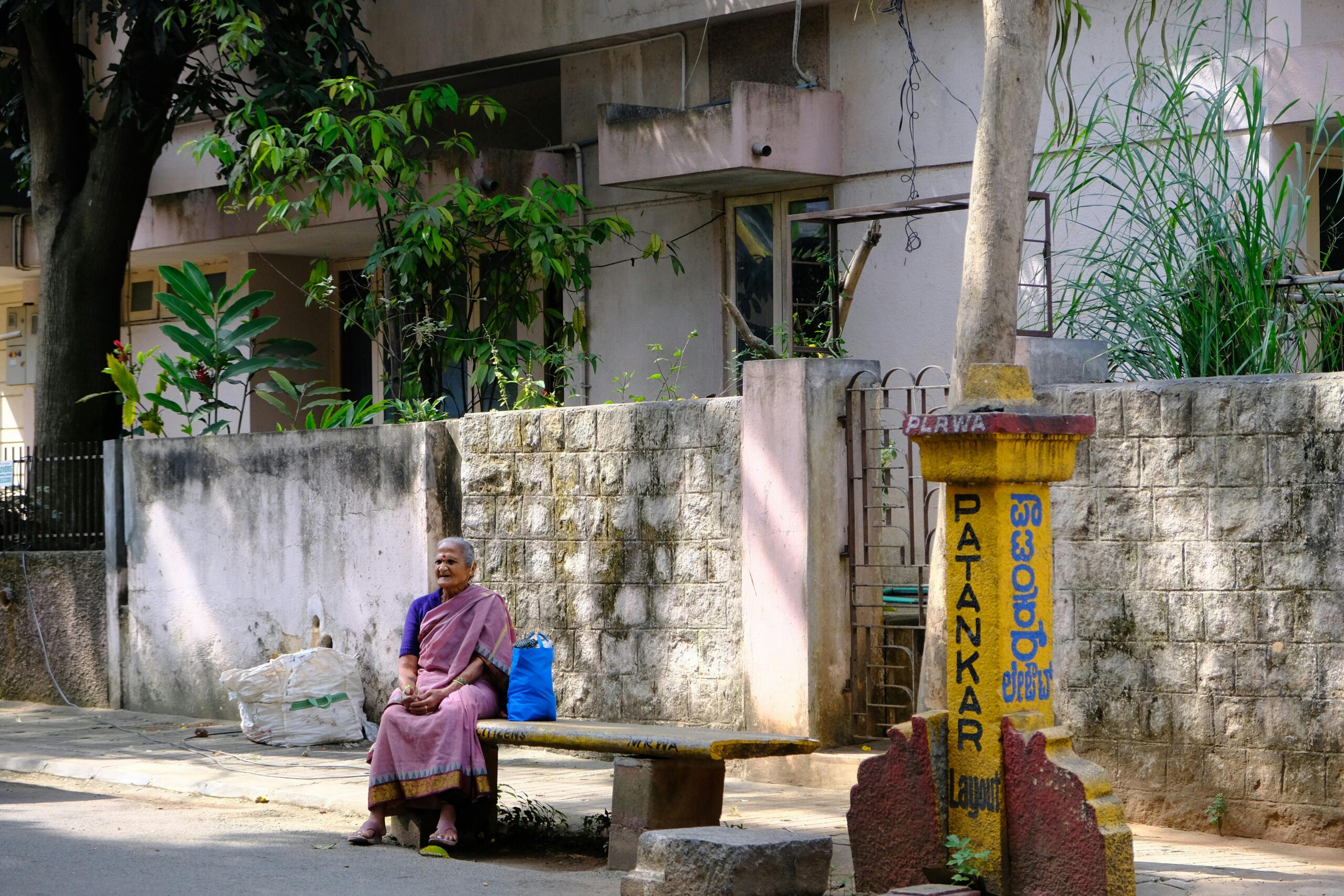
You may have observed changes to the perception of health as well. And rather than being just about treating conditions, a growing number of places are leaning into the idea of nurturing overall well-being. Some of that is physical, yes, like providing kind exercise classes or healthier menus. But a lot of it is emotional, especially to ensure that people might not become isolated or alone.
This means that places are slowly beginning to realize loneliness can be just as damaging as skipping a dose of medicine. You can sense the difference when a home has regular get-togethers, music drifts across common areas, or people sit in a garden and let the afternoon be. It’s little things, and possibly small things, but they add up in a person’s heart.
#4 Communities of Happiness
There’s more to be sure, maybe just a bit tricky to describe. These homes are beginning to feel less like institutions and more like communities. The staff often feel freer to slow down and talk to residents, in some cases even more than necessary, and feel empowered to make do more comfortable indeed. Conversations extend a bit longer. Laughter breaks through a bit easier. You like that, and it seems like a step toward restoring the sense of belonging older adults sometimes lose as their world shifts.
#5 Safety and Support Taking Hands
Some days, you believe the real transformation isn’t one policy or device. It’s this burgeoning awareness that safety and health are interconnected, one of two sides of the same coin. You will not feel physically safe if your emotional world feels fragile. And you can’t be emotionally grounded in fear of tripping on a rug or navigating a confusing hallway. And everything is affected by everything else.
#6 Conclusion
So this new vision, so imperfect as it still is, seems hopeful. Elderly homes are discovering the magic of combining protection and nurturing. Structure with softness. Yes, that may sound a little sentimental, and you think that’s precisely what so many people now long for in their later years. So somewhere you feel safe and held-by, yes, but that is also a place that still feels like home.