
Collaborative Post
Argentina is a very diverse country that offers a wide range of stunning landscapes and cities, from the glaciers of Patagonia to the deserts of Salta. One of the most interesting facts about this country is that all Argentines share one specific passion – a passion for wine! So much so that the government has declared wine to be Argentina’s official beverage!
When it comes to wine tasting in Argentina, Mendoza is by far the most well-known region. However, lesser-known wine regions such as Salta and Patagonia are equally beautiful and offer the same level of quality wine. In this article we will introduce you with the top 5 Argentinian wineries and wines! So pop and pour girls, here we go!
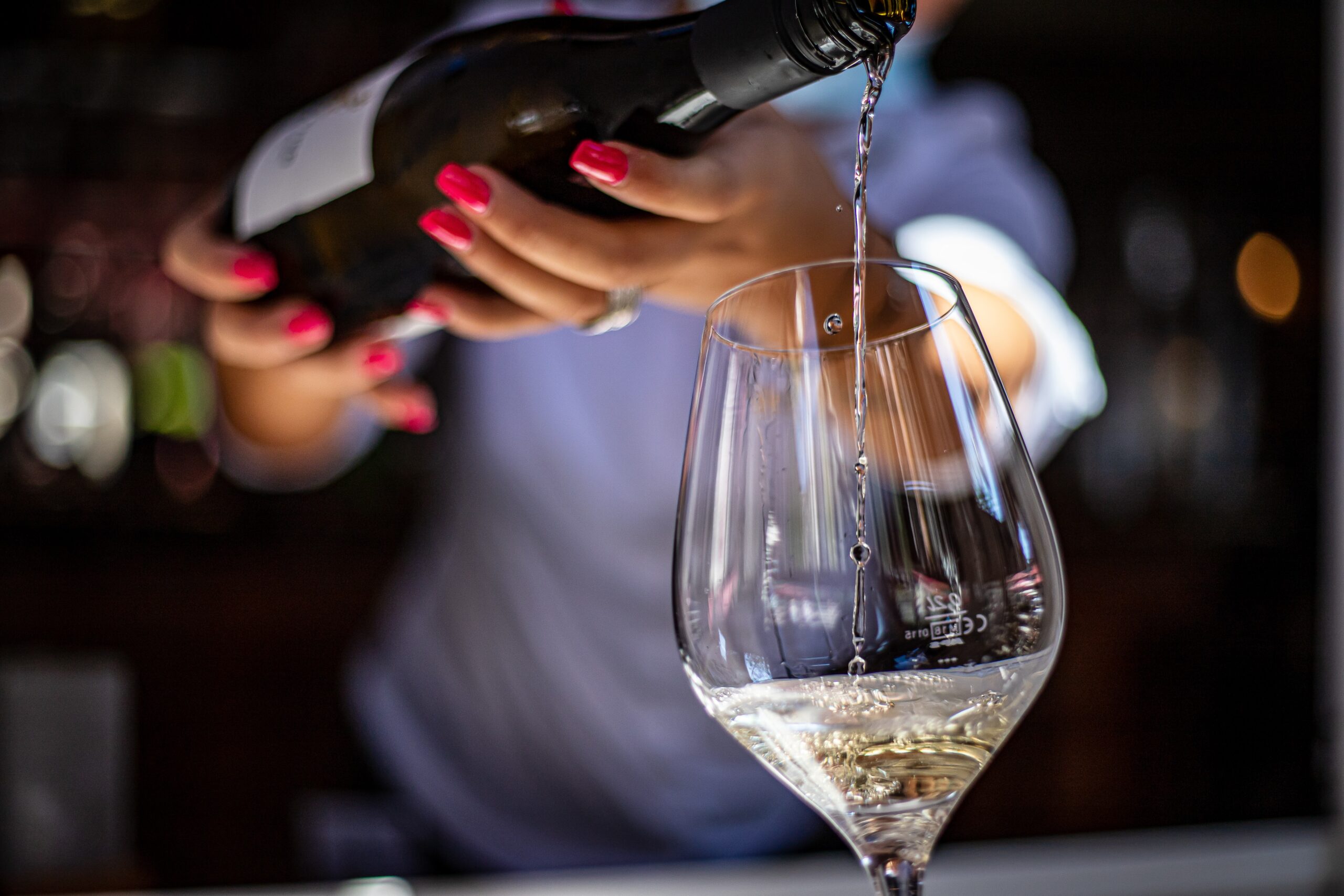
Photo by Stefan Schauberger on Unsplash
El Enemigo Chardonnay 2019
Catena Zapata chief winemaker Alejandro Vigil and Nicolas Catena’s youngest daughter, historian Adrianna Catena, founded El Enemigo. This exciting Argentinian project celebrates their shared passion for history, philosophy, and literature by producing innovative, boundary-pushing wines with authentic Argentinian soul. This distinctive Chardonnay comes from excellent vineyards in Mendoza’s Gualtallary sub-region, which sits at 1400–1500 meters above sea level. This high elevation ensures cool nights even in the summer, as well as plenty of bright sunlight, which helps the grapes ripen evenly and slowly. Alejandro employs an unusual technique common in France’s Jura wine region, covering the young wine with a thin veil of flour or yeast and leaving it to age for 10 months in old oak barrels. This distinctive white represents the best of Argentina’s emerging new wineries and will go well with pan-fried salmon, tuna steaks, or herby roasted chicken. Perfect choice for a great shape and mood!
Bodega Chacra Barda Pinot Noir 2020
The grandson of the founder of Tenuta San Guido, which produces the legendary Sassicaia Super Tuscan, also founded Bodega Chacra. This trailblazing project is located in northern Patagonia’s Rio Negro Valley, halfway between the Atlantic and the Andes. Because of the alluvial soils left by an ancient glacier and the cool climate, the terroir here is ideal for producing fine Pinot Noir. Pinot Noir has been grown in the area since at least the early twentieth century, but it fell out of favor in the 1950s and 1960s. Piero discovered the region’s potential after tasting a Pinot Noir from a prized plot planted in 1932 in New York. He was able to purchase this exact plot in 2003, which became the first estate vineyard of Bodega Chacra, as well as additional vineyards planted in 1955 and 1967. When it comes to this Pinot Noir, you should know that in the winery the grapes are fermented at a low temperature in cement tanks using only indigenous yeasts. As a result, the Pinot is incredibly pure and focused, with bright red plum, raspberry, and pomegranate flavors, silky smooth tannins, and delicate notes of sandalwood and woodsmoke on the finish. This place and this wine is must see and taste, especially if you need attractive photos for your Instagram account!
San Pedro de Yacochuya Yacochuya 2014
In 1988, the Etchart family invited the famous “flying winemaker” Michel Rolland to visit Argentina. After falling in love with the amazing terroir in this part of northern Argentina, Rolland and the Etcharts founded Bodega San Pedro de Yacochuya in the world’s highest winemaking region, Cafayate, and fell in love with each other. The vineyards here are planted at 2000 meters above sea level, providing fascinating conditions for producing high-quality wine. Here, you can also find a perfect sunsets and enjoy in cozy nights. When it comes to the grapes, it reach optimal ripeness and develop greater intensity of flavor, tannin, and color as a result of the intense sunlight at this altitude and cool nighttime temperatures. Rolland’s Yacochuya cuvee is made primarily of Malbec with a touch of Cabernet Sauvignon from the estate’s finest vineyard, which is planted with 60-year-old vines. Because summer days can be very hot, the grapes are harvested at night and fermented in temperature-controlled stainless steel tanks to preserve freshness.
Luca Beso de Dante 2018
The Catenas are Argentina’s premier winemaking family, thanks to Nicolas Catena’s vision and dedication in putting Argentina on the map for world-class Malbec. Luca is the creation of Nicolas’ daughter Laura, who named her new label after her son, Luca. All of the wines are made with the finest fruit from carefully selected vineyards in Mendoza to create approachable yet complex wines that would look great in any cellar. Beso de Dante was inspired by two classic Bordeaux grapes, Cabernet Sauvignon and Malbec. Prior to the arrival of phylloxera, which destroyed much of the region’s vineyards, Malbec was traditionally used in Bordeaux blends. Laura obtains the grapes from specific plots in Vista Flores and Altamira, vinifying them separately before blending them together. A brief period in oak barrels adds hints of spice and woodsmoke to the intense cassis, blackberry, and dark cherry core. So if you are looking for a winery with a rich history, this one is a perfect choice for you.
Alma Negra Brut Nature Rose
Rose wines are one of the most favorite among the girls. They are tasty, light and “must have” during the hot weekend nights. Alma Negra, which translates as “Black Soul,” was named after the dark, handsome character of the Bonarda grape, which was used to make the label’s first wines. Ernesto Catena, son of Argentinian enologist Nicolás Catena Zapata, who helped put Argentina on the map for high-quality Malbec wines, is the winery’s fourth generation winemaker. With his strong creative drive and determination to create wines that are unpretentious and delicious to drink, Ernesto has sought to leave his own distinct mark on the Argentinian wine scene. He insists on working in harmony with nature in the vineyard and winery whenever possible, including the use of biodynamic practices and the avoidance of chemical treatments. This sparkling wine is made in the same manner as Champagne, using the champenoise method, with a secondary fermentation in the bottle and an 8-month ageing on the lees. The result is a delicious and vibrant sparkling wine with notes of ripe raspberry, strawberry, and red cherry, as well as generous streams of tiny bubbles.