
Image credit: Unsplash
A family library grows through ordinary moments: a bedtime favourite read for the fiftieth time, a cookbook covered in flour and a novel discovered during a rainy holiday. Over time, those books become part of the family’s shared history.
You don’t need a dedicated room or matching shelves to create one. A small bookcase, a few carefully chosen titles and space for new discoveries will do. The most meaningful collections reflect the people who read them, complete with dog-eared pages, handwritten notes and stories attached to each volume.
Books as Childhood Keepsakes
Children’s books often survive long after toys have been donated or outgrown. A board book may preserve tiny tooth marks, while an illustrated story might contain a grandparent’s inscription. These signs of use give a family library its character.
Keep books connected to clear memories, even if their covers are worn. A simple note inside can record who chose the title, when it was popular and any funny reading ritual that went with it. This works much like preserving photographs and other printed memories.
If a fragile favourite can no longer handle daily reading, store it safely and buy a second-hand reading copy. The original remains part of your family archive while the story stays accessible.
Nurturing an Early Love for
Put books where children can reach them without asking for help. A low shelf in the living room or a small basket near the sofa makes reading feel like a normal choice during the day, not an activity reserved for bedtime.
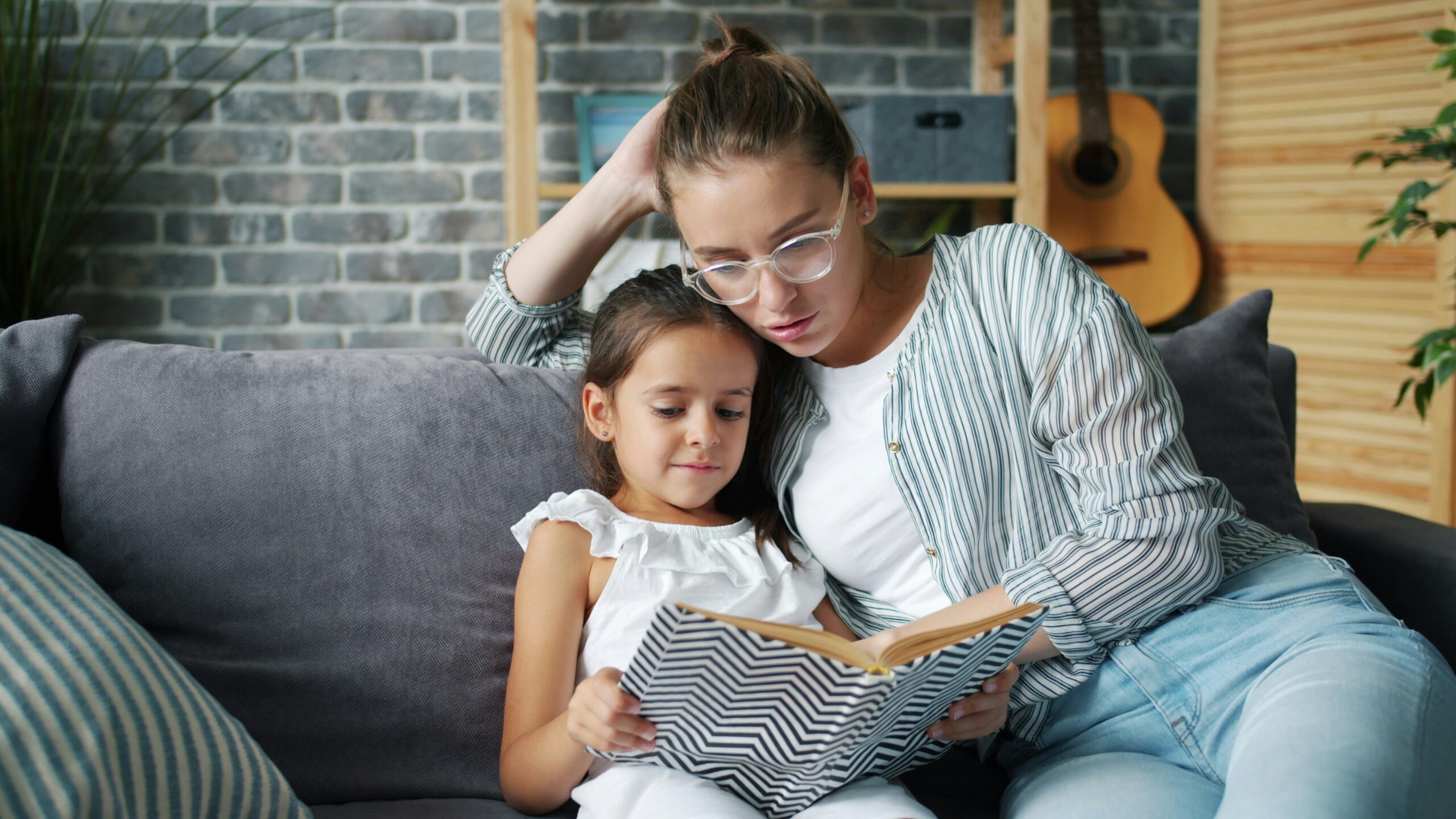
The strongest early reading habits often grow through warmth and repetition. Reading about babies, books and bonding can offer useful ideas for making shared reading part of everyday interaction from infancy. Let young children turn pages, interrupt and request the same story again.
Variety also helps. Alongside familiar rhymes, try picture books about local history, different cultures and everyday family life. Welsh-language stories, books for learners and titles exploring Welsh culture can add another layer to the collection when those subjects matter to your family.
Finding Hidden Gems Beyond Bestsellers
Bestseller lists offer a convenient starting point, but they represent only a small part of what’s available. Libraries, charity shops, independent retailers and school fairs can introduce your family to authors who receive less national publicity.
A specialist book shop can be especially useful when you want to explore titles outside the usual bestseller lists, including Welsh-language books, stories for learners and books focused on Welsh culture and history.
Ask each family member to choose one unfamiliar book every few months. The selection might be a translated folk tale, a local history title, an older children’s classic or a cookbook centred on a particular region. Set a modest budget so experimentation stays enjoyable.
Second-hand books can be especially memorable because they arrive with a past. An inscription dated 1978 or an old train ticket used as a bookmark adds another layer to the object. If a discovery falls flat, pass it on. A meaningful library has room to change as your family’s interests develop.
Organising Shelves by Family Memories
Traditional categories are helpful, though a family library can follow its own logic. You might create a holiday shelf, group bedtime favourites together or keep books received from relatives in one section. Labels tucked beneath the shelves can explain the connection without marking the books themselves.
For a practical system, combine memory-based groups with broad categories such as children’s stories, reference, cooking and local interest. These ideas for creating a family home library can also help you choose an accessible location and make the collection inviting.
Leave some empty space on each shelf. Books are easier to return when they aren’t packed tightly, and your collection has room to grow. Review it once a year, repairing loose pages and moving age-appropriate titles within reach of younger readers.
Passing Stories Through Generations
Personal notes turn ordinary books into records of family life. Write the date and occasion inside books given as presents, then invite older relatives to add a short comment to stories they particularly love. A sentence explaining that a novel was read during university or that a recipe came from a childhood neighbour can matter decades later.
Record reading memories in a notebook kept beside the shelves. Children could add a sentence about a favourite character, while adults note the title everyone enjoyed on holiday. There’s no need to document every book.
One day, a younger relative may open a familiar story and find several generations of names inside its cover. That small trail of handwriting is what makes a family library truly belong to the family.