
Maritime emergencies are often viewed through the lens of safety and rescue. While there are other concerns that come first, there is also a business side that companies cannot ignore. Accidents at sea don’t just disrupt operations or damage assets, they create serious financial and legal consequences for a business, and understanding this side of maritime emergencies will help your business to respond faster while recovering more effectively.
In the early stages of a serious incident, companies may find themselves dealing with insurers, regulators and sometimes even a boat accident lawyer if injuries or disputes arise. These situations highlight why preparation and planning are critical in maritime operations. The immediate financial impact of those incidents can start piling up right away. Vessels can be taken out of service for inspections or repair, which leads to lost revenue. Cargo delays can result in penalties or cancelled contracts, and emergency response efforts such as towing or temporary repairs often come with high price tags.
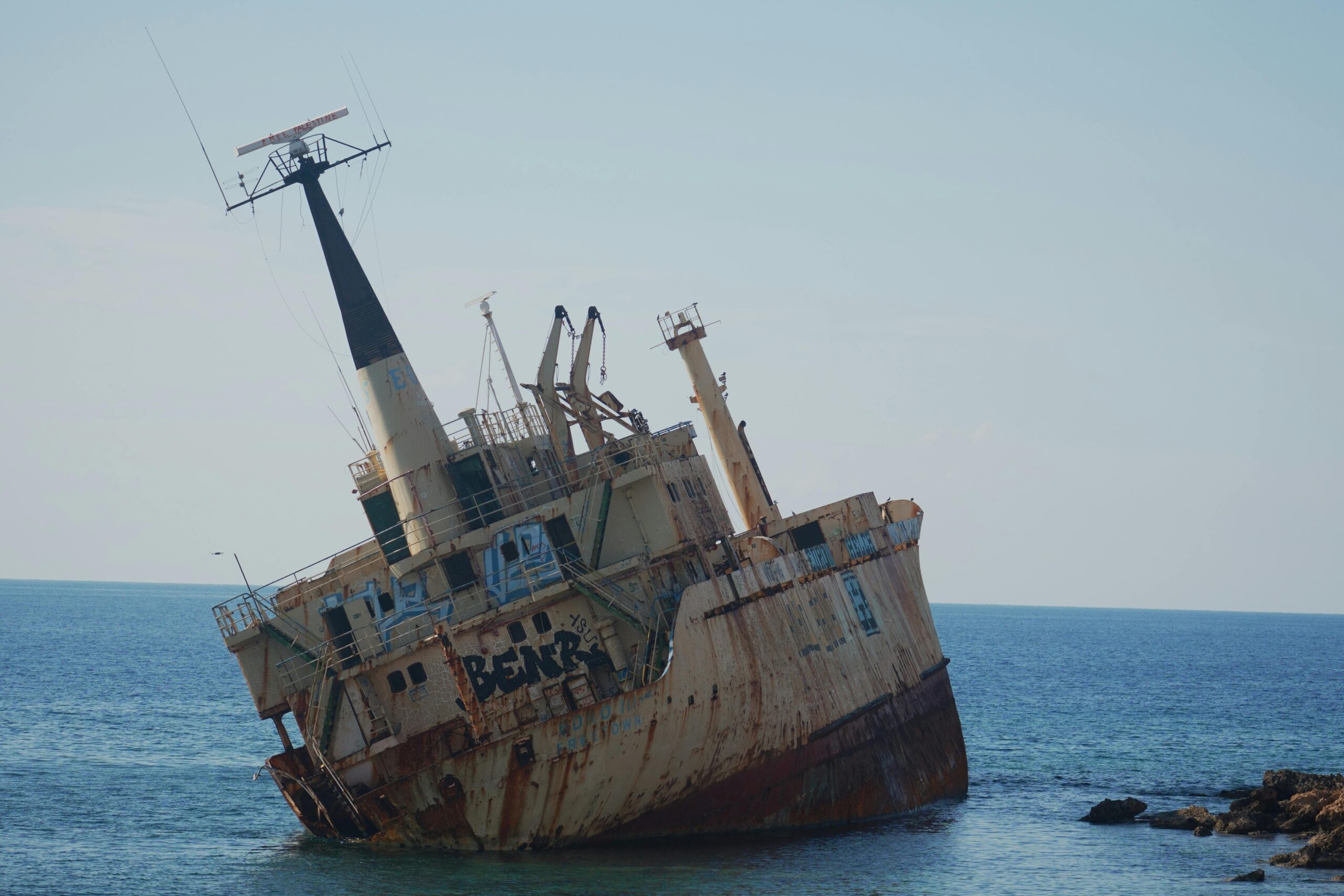
Even short disruptions can affect cash flow for a business, and businesses that rely on tight schedules might struggle to meet obligations. That creates larger ripple effects across supply chains. With financial reserves and clear response plans in place, that reduces panic and rush decision-making. After a maritime emergency, insurance plays a central role, but filing claims is really very simple. Companies have to document the incident carefully and notify insurers promptly. They also must comply with policy requirements. Missing deadlines or providing incomplete information can delay payments or reduce coverage.
Different policies might apply to a single incident, including hull, cargo and liability insurances. When you coordinate these claims, it takes time and expertise to do so, which is why legal help is a must. Clear internal processes and procedures make it much easier to manage the process and control costs during an already stressful period.
Maritime emergencies do often raise questions about responsibility too, because there is legal exposure and liability to consider. Was the incident caused by equipment failure or human error? Were there external factors at play? When you determine liability, you can affect who pays for damage, injuries and environmental clean up. Legal costs do have the habit of escalating quickly, especially if multiple parties are involved. Contracts, maintenance records, and safety logs become crucial evidence, and businesses that maintain accurate records are in a stronger position to defend themselves or resolve their disputes efficiently.
There’s also the possibility that authorities may investigate maritime emergencies to determine whether laws or regulations were violated. So there are regulatory and compliance issues to consider. These investigations can result in fines, operational restrictions or even mandatory corrective actions. Compliance failures don’t just increase costs, they also harm a company’s reputation. Preparing for regulatory scrutiny in advance is key, and training crews, maintaining vessels and following safety standards reduce the risk of penalties to show good faith if an incident occurs.
Maritime emergencies are never just operational problems, They are business events with financial and legal consequences, and those consequences could shape the future of your business.