
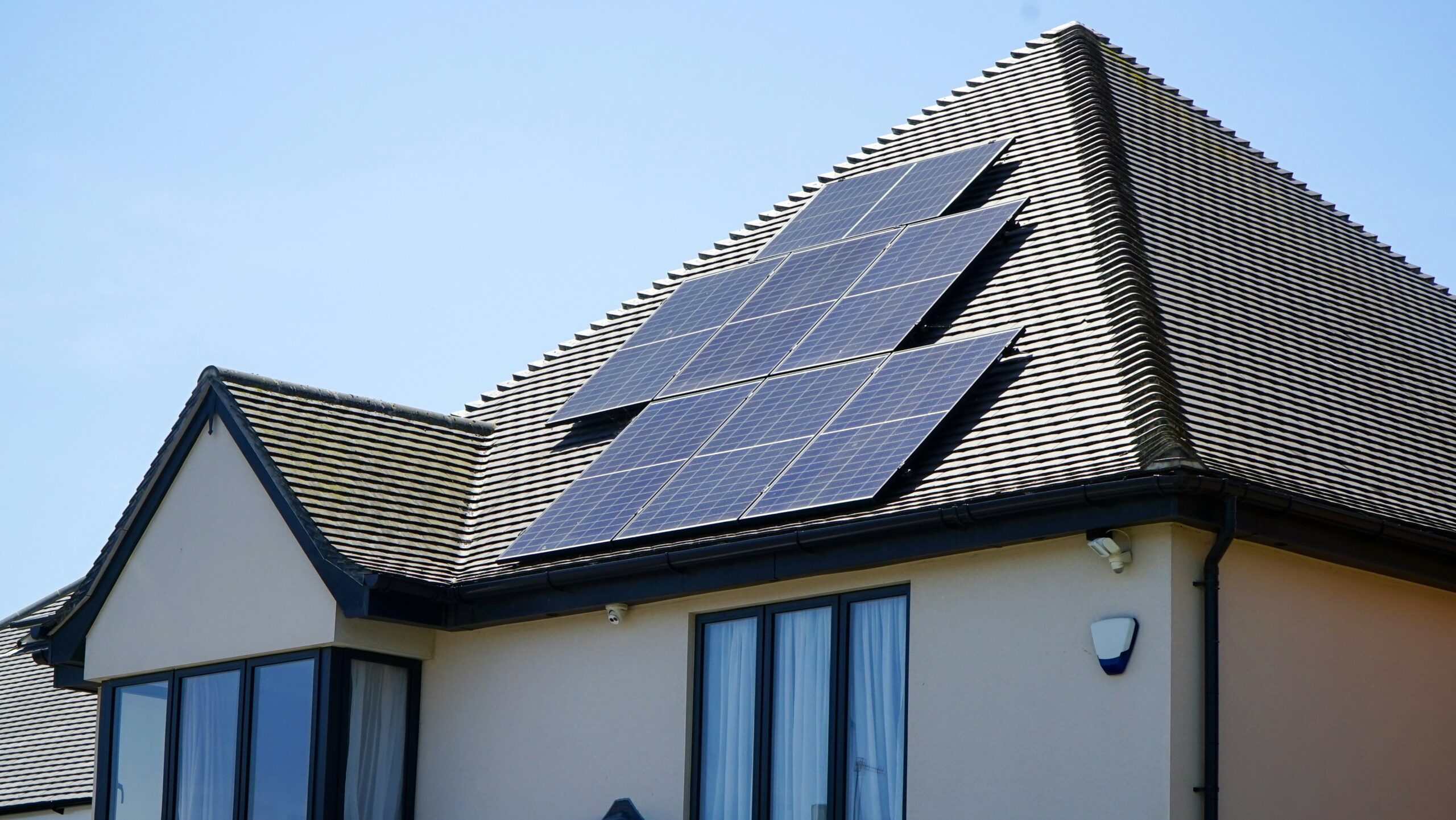
Photo by Watt A Lot on Unsplash
Making your home more sustainable might seem like a huge job, but it really just starts with small, easy changes. You don’t have to go totally off-grid tomorrow to live greener, especially when there are simple home energy-saving methods. It’s all about making smart choices that, over time, really add up for the planet and often for your own well-being and wallet. Every decision you make, from the stuff you buy to the energy you use, can help build a more sustainable future, right from your own couch.
Reducing Your Environmental Footprint
The first step to living sustainably often means looking at what you use and what you throw away. Just think about your daily routine. Easy swaps, like always using reusable shopping bags, water bottles, and coffee cups, can cut down a lot on single-use plastic. You could also start a small compost bin for food scraps. This not only keeps waste out of landfills but also makes great soil for your garden. When you’re out shopping, try to pick products with less packaging. These sustainable living tips aren’t about doing without, but about making smarter, more thoughtful choices that lighten your environmental footprint.
Harnessing Solar Energy
One of the best ways to shrink your carbon footprint is by changing how you power your home. Getting your energy from renewable sources is much easier these days. For homeowners, a great option is to make your own clean electricity. Putting solar panels on your roof lets you grab sunlight and turn it into power for your lights, appliances, and gadgets. This move doesn’t just cut down your reliance on fossil fuels; it also gives your home a steady, independent energy source for years to come.
Lowering Utility Expenses
A cool bonus of living sustainably is that your monthly bills often go down. When you actively try to use less energy and water, your utility costs naturally drop. Simple things like switching to LED light bulbs, which use up to 90% less energy than old-fashioned bulbs, can really make a difference in your electricity bill. Sealing up air leaks around windows and doors helps your heating and cooling systems work more efficiently. These small tweaks, plus bigger ones like using energy-efficient appliances, lead to long-term savings, making sustainability a smart financial move.
Water Conservation Strategies
Water is precious, and saving it at home is probably easier than you think. First, fix any leaky faucets or toilets; even a tiny drip can waste tons of water every day. You can also put in low-flow showerheads and aerators on your faucets to use less water without losing pressure. Simple habit changes, like turning off the tap while you brush your teeth and only running the dishwasher or washing machine when they’re full, also help a lot with water conservation.
Creating a Healthier Home
Sustainable living isn’t just good for the planet; it’s good for you, too. When you choose to make a home more sustainable, you often end up with a healthier indoor space. Using natural, non-toxic cleaning products means fewer harsh chemicals floating around in your home’s air. Adding houseplants can help clean the air and bring a bit of nature inside. A sustainable home is often a simpler, less cluttered place, which can help reduce stress and clear your mind. It’s all about creating a living space that supports both your body and your mood.
Just trying a few of these changes can get you started on a more sustainable and fulfilling path. Every small step you take is a positive move for your home, your bank account, and the world around you.