
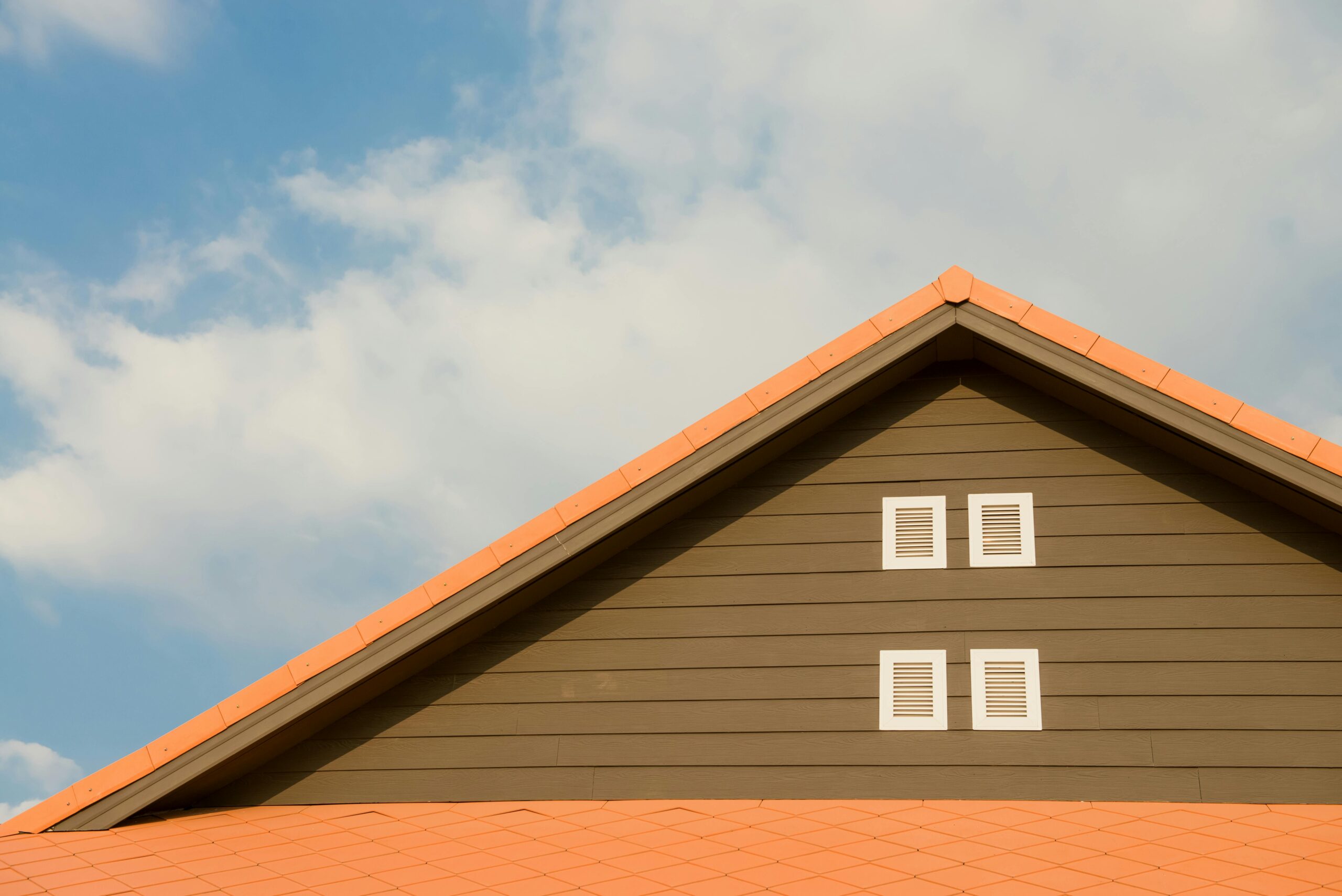
Maintaining your roof is crucial for safeguarding your property and ensuring its longevity. Regular upkeep can help prevent costly repairs down the line, making it an essential part of responsible ownership. Your roof is the first line of defense against the elements, and proactive measures can significantly extend its lifespan. By understanding the intricacies of your roofing system and implementing smart maintenance strategies, you can protect your investment and improve your living space’s overall appeal.
Here are some foundational practices for effective roof maintenance:
Understanding Your Roof Type
Before exploring maintenance strategies, you must recognize the different types of roofs you might encounter. Each material has unique characteristics that affect longevity and maintenance requirements.
- Flat Roofs: Often found on commercial buildings, flat roofs can be challenging to drain. They typically require more frequent inspections and maintenance to prevent leaks.
- Asphalt Shingles: Common in many residential areas, these shingles are cost-effective and relatively easy to install. They typically last 20-30 years, depending on the quality and local weather conditions.
- Metal Roofs: Known for their durability, metal roofs can last over 50 years. They are resistant to extreme weather and require minimal maintenance. However, installation can be more expensive compared to asphalt shingles.
When to Consider Repairs or Replacement
Recognizing when your roof needs repairs or a complete overhaul is vital for maintaining your property’s integrity. Look for signs such as leaks, missing shingles, or visible sagging.
If your roof is over 20 years old and shows significant wear, it might be time to consult a professional for an assessment. Regular inspections help identify minor issues before they escalate into major problems. For instance, if you notice dark spots on your ceiling or water stains, act quickly. Ignoring these signs could lead to more extensive damage, requiring a roof replacement.
In addition, seasonal changes can damage your roof. Harsh winters and intense storms can cause significant wear and tear. After severe weather events, a thorough inspection is essential to evaluate the condition of your roof and determine the need for repairs or replacement.
Spotting Early Signs of Damage
Being vigilant about potential damage can save you from costly repairs in the future. Regularly inspect your roofing system for signs of deterioration, such as:
- Cracked or Missing Shingles: Look for any shingles that appear damaged or have fallen off. These areas can lead to leaks and water damage.
- Leaks: If you notice water stains on your ceilings or walls, it’s crucial to investigate the source. Small leaks can quickly turn into significant issues if left unaddressed.
- Sagging Roof Deck: Sagging indicates underlying problems, often linked to moisture damage or structural issues. This condition requires immediate attention.
- Granule Loss: If you see granules in your gutters or on the ground, it may indicate that your asphalt shingles are wearing out. This granule loss can reduce protection from the elements.
Regular inspections will help you catch these early warning signs and address them promptly.
Cleaning Your Roof
Keeping your roof clean is essential for its longevity. Debris buildup, including leaves, branches, and moss, can retain moisture and cause rot or mold. Here are some effective cleaning strategies:
- Algae and Moss Removal: If you notice algae or moss growth, it’s important to treat it promptly. A mixture of water and vinegar or specialized cleaners can help eliminate these growths.
- Clear Debris: Use a broom or leaf blower to remove leaves and other debris. Be cautious while on a ladder, and consider using a harness for safety.
- Avoid Pressure Washing: While it might seem like a quick solution, pressure washing can damage roofing materials and dislodge granules. Opt for gentler cleaning methods.
- Check for Blocked Gutters: Ensure your gutters are clear to facilitate proper water drainage. Clogged gutters can cause water to pool on your roof and cause long-term damage.
Keeping your roof clean can help prevent costly repairs and maintain its integrity.
The Importance of Gutters
Gutters are critical in directing water away from your roofing system and foundation. Properly functioning gutters prevent water from pooling, which can lead to leaks and other issues. Here’s how to maintain your gutters effectively:
- Regular Cleaning: If you have trees on your property that hang over your gutters, clean them at least twice a year, maybe more often. To ensure adequate water flow, remove any leaves, twigs, and other debris.
- Inspect for Damage: Look for signs of wear, such as rust, holes, or sagging. Damaged gutters can lead to water overflow, potentially damaging your roof and siding.
- Check Downspouts: Ensure downspouts direct water away from your home’s foundation. If they are blocked or misaligned, adjust them accordingly.
- Consider Gutter Guards: Installing gutter guards can minimize debris accumulation, making maintenance easier and more efficient.
By taking these steps, you can help ensure that your gutters function properly and contribute to the overall health of your roofing system.
Insulation and Ventilation
Proper insulation and ventilation are key components of a healthy roofing system. They work together to regulate temperature and moisture levels, protecting your roof from damage. Here’s why these elements are important:
- Temperature Regulation: Good insulation keeps your home warm in the winter and cool in the summer, reducing the strain on your roof. It prevents ice dams in colder months, which can cause serious water damage.
- Moisture Control: Proper ventilation allows moisture to escape from your attic, reducing the risk of mold and mildew growth. This is crucial, especially in humid climates, where trapped moisture can weaken roofing materials.
- Energy Efficiency: Adequate insulation and ventilation contribute to energy efficiency, lowering your heating and cooling costs. When your home maintains a stable temperature, your HVAC system works less, saving you money.
Check your insulation and ventilation systems regularly to ensure your roof performs at its best. If you notice signs of moisture or inadequate airflow, consult a professional to assess and make necessary improvements.
The Role of Coatings
Roof coatings provide an additional layer of protection, extending the life of your roofing materials. Here’s how they work:
- Waterproofing: Coatings create a seamless barrier that protects against water intrusion. This is particularly beneficial for flat roofs, where water pooling can lead to leaks.
- Reflectivity: Many coatings are reflective, helping to reduce heat absorption. This can lead to lower energy costs by keeping your home cooler during hot months.
- UV Protection: Coatings shield your roofing materials from harmful UV rays, which can degrade them over time. This added protection improves the longevity of your roof.
When considering roof coatings, consult a professional to choose the right type for your roofing material. Proper application is crucial for maximizing the benefits, so follow manufacturer guidelines to ensure effectiveness.
Maintaining your roof is an ongoing responsibility that pays off in the long run. From understanding your material type to recognizing when repairs or replacements are needed, proactive measures will protect your investment and improve your living space. Regular inspections, proper cleaning, and timely repairs are essential for prolonging your roof’s lifespan. Whether you tackle minor issues yourself or seek professional help, staying informed and proactive can save you from costly problems down the road. Prioritize your roof care today to ensure a safe and secure environment for years to come.