
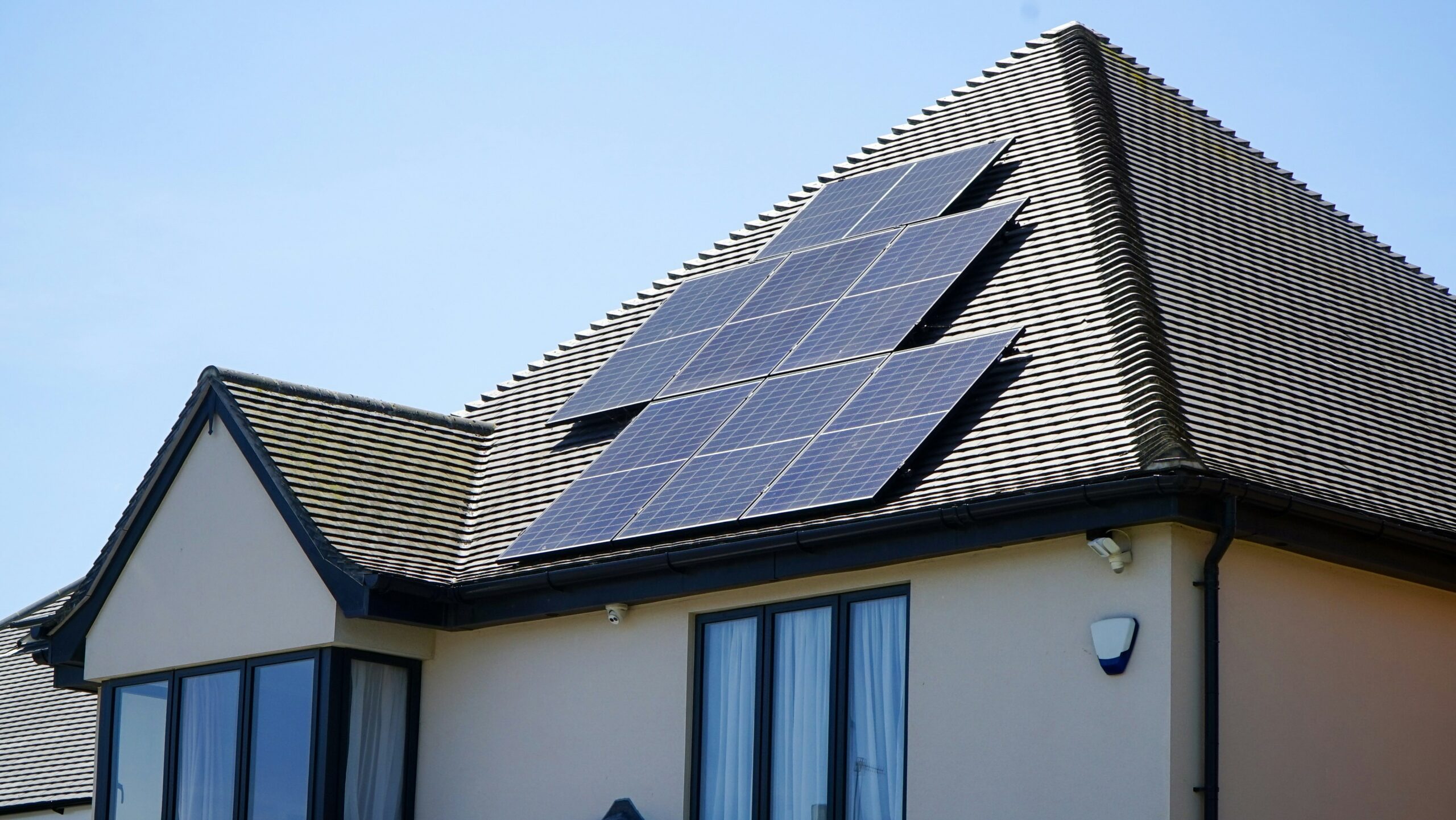
Photo by Watt A Lot on Unsplash
Ever stared at your power bill and felt a jolt? It’s a feeling many of us know well. But what if your home could be part of the solution, instead of just adding to the problem? The way we make, use, and think about energy is changing fast. Getting your home ready for this shift isn’t just about saving a few bucks; it’s about setting yourself up for a tougher, more independent future.
Understanding our changing energy landscape
For ages, our power has come from one big central grid, just humming along in the background. But that old system is starting to show its age. We’re using more electricity than ever, with every new gadget, electric car, and smart device we bring home. At the same time, Australia is moving towards cleaner energy like wind and solar.
This is awesome for the planet, but it also brings new challenges. Unlike traditional power plants, renewable sources can be a bit unpredictable. The sun doesn’t shine all night, and the wind isn’t always blowing. This up-and-down nature can stress the old grid, possibly leading to shaky power and prices that jump around. Your home isn’t just a passive energy user anymore; it’s becoming an active player in this new energy world.
Preparing your home for rising energy costs
With energy prices seemingly only going up, getting a handle on your home’s power use is your first line of defence. The good news is that many of the best steps are simple and won’t cost much. Think of it like giving your home an energy check-up. Start by sealing up those sneaky drafts around windows and doors, boosting your insulation, and swapping to LED lights.
After that, you can look for bigger wins. When it’s time to replace an appliance, pick one with a high Energy Star rating. These small choices really add up over time. Knowing exactly how your home is costing you is key to making smarter upgrades. The main goal is to cut down your total energy demand, which makes everything else you do even more effective.
The role of energy storage in a modern home
Making your own power with solar panels is a fantastic start, but what happens to all that lovely sunshine-generated electricity when you’re not home to use it? Most of it just goes back to the grid for very little return. Then, when you get home in the afternoon and switch everything on, you’re back to buying expensive power from the grid.
This is where energy storage can make a real difference. By pairing your solar system with solar batteries, you can store excess energy generated during the day instead of sending it back to the grid. That stored energy can then power your home in the evening or during periods of low sunlight, helping reduce reliance on the grid and making better use of the renewable energy your system produces.
Integrating smart tech for energy efficiency
A truly future-ready home is a smart home. Smart tech gives you super detailed control over your energy use, often saving you money automatically without you having to do a thing. It turns your home from a passive energy user into an active, efficient participant in your own comfort and savings.
Think about these smart upgrades:
- Smart Thermostats: These learn your schedule and tweak your heating and cooling automatically, so you’re not wasting energy when you’re out or asleep.
- Smart Plugs: Use these to automatically turn off devices that suck ‘vampire power’ while on standby, like entertainment systems and chargers.
- Smart Lighting: Control your lights from your phone, set schedules, and make sure no lights are left on in an empty room.
These technologies work together to trim the fat from your energy consumption, creating what some call a homegrown energy blueprint for lower costs.
Planning for long-term power security
Future-proofing your home is about more than just saving cash today. It’s about building resilience for tomorrow. As our climate shifts and our grid gets older, the chance of power cuts and instability might grow.
By bringing together solar generation, battery storage, and smart energy tips, you create a powerful trio for energy independence. You’re less exposed to price hikes from energy companies and better protected against blackouts. For most people, this isn’t about going completely ‘off-grid’. It’s about having a reliable backup and taking charge of a vital part of your life. You get to decide where your power comes from and when you use it.
Taking steps to make your home more energy-efficient and independent is one of the smartest investments you can make. It adds value to your property, lowers your running costs, and gives you security in an uncertain future.