
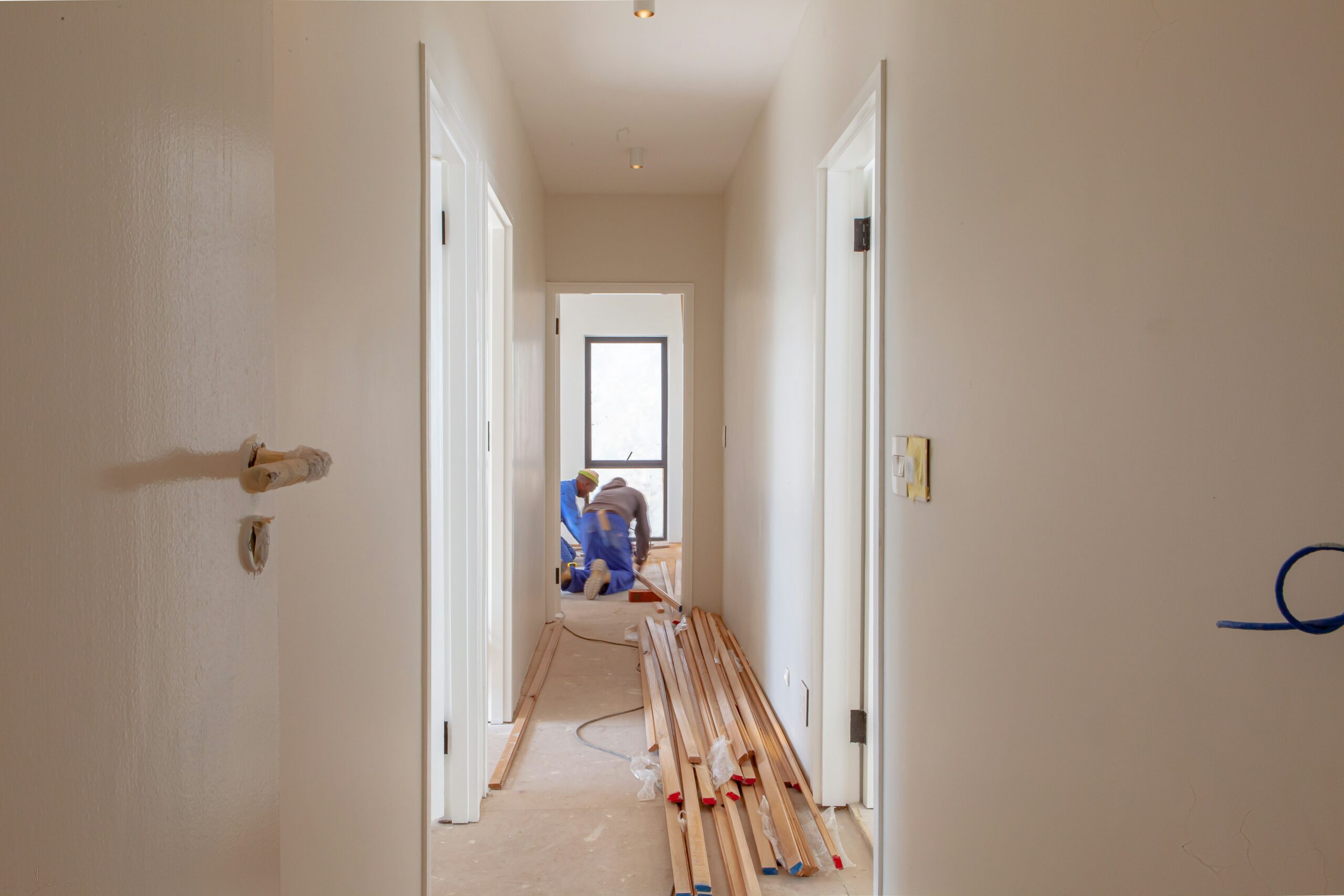
Photo by Jessica Hearn on Unsplash
Putting money into your home is one of the best ways to build wealth over time, and it makes your everyday life better too. Smart upgrades don’t just make your place nicer to live in; they can also bring in a good chunk of cash when you decide to sell. The trick is to pick your projects carefully. Focus on practical improvements that most future buyers will like, and that fix common problems around the house.
From small cosmetic fixes to big structural changes, every tweak you make can add value. This guide will walk you through the most effective upgrades, how to plan your spending, and how to figure out what you can tackle yourself.
Home Improvements That Add Value
When it comes to getting your money back, not all renovations are created equal. Some projects consistently give you more bang for your buck than others. Kitchen and bathroom updates are classic examples. Even small changes, like new countertops, modern taps, or a fresh coat of paint on the cabinets, can totally transform an old-fashioned space. Buyers really look closely at these rooms, so improvements here are usually money well spent.
Your home’s curb appeal also makes a big first impression. Simple landscaping, a new front door, or fixed pathways can really change how people see your house from the street. Inside, neutral paint colours and updated flooring give a clean, modern feel, helping potential buyers imagine themselves living there. Looking into the best home improvements for your area can help you figure out which projects will make the biggest difference.
Expanding Functional Space
One of the most wanted features in any home is functional space upgrades. As families grow and more people work from home, having dedicated spots for hobbies, storage, or a home office is a huge selling point. If you have an unused attic, basement, or garage, turning it into a usable living space can give you one of the best returns on your investment.
Another great way to add usefulness is by putting in a good-quality outdoor structure. A well-built shed can do so much more than just store your lawnmower. For something flexible and tough, pre-made kits, like those from MSB sheds, can become a workshop, a home gym, or extra storage. This really boosts what your property can do. This kind of adaptable space is a valuable asset that makes your home more practical for you and more appealing to future owners.
Budgeting for Big Projects
Taking on a big home improvement project needs careful financial planning. First, get real quotes from a few different contractors, so you know what the costs might look like. Your budget should cover not just materials and labour, but also an extra 10-20% for unexpected problems that could pop up.
For bigger jobs, you might think about using savings, a home equity line of credit, or a personal loan. Keeping a detailed spreadsheet to track your spending as the project goes along will help you stick to your budget and avoid expensive surprises.
DIY vs. Professional Installation
Deciding whether to do a project yourself or hire a pro is a big choice that affects both your wallet and how good the final result is. Doing it yourself can save a lot on labour costs, but only if you have the right skills, time, and tools. Things like painting, tiling a backsplash, or basic landscaping are often doable for a handy homeowner.
However, for more complicated tasks that involve plumbing, electrical work, or changing the structure of your home, it’s almost always better to get a licensed professional. A DIY job gone wrong can lead to costly repairs, safety risks, and might even lower your home’s value. Be honest about what you can really do and how big the project is. Sometimes, the smartest money you can spend is on an expert to make sure the job gets done right and to a high standard.
Improving your home is all about making it a better place for you to live. By focusing on smart, practical upgrades, you not only make your daily life better but also make a solid investment in your future.