
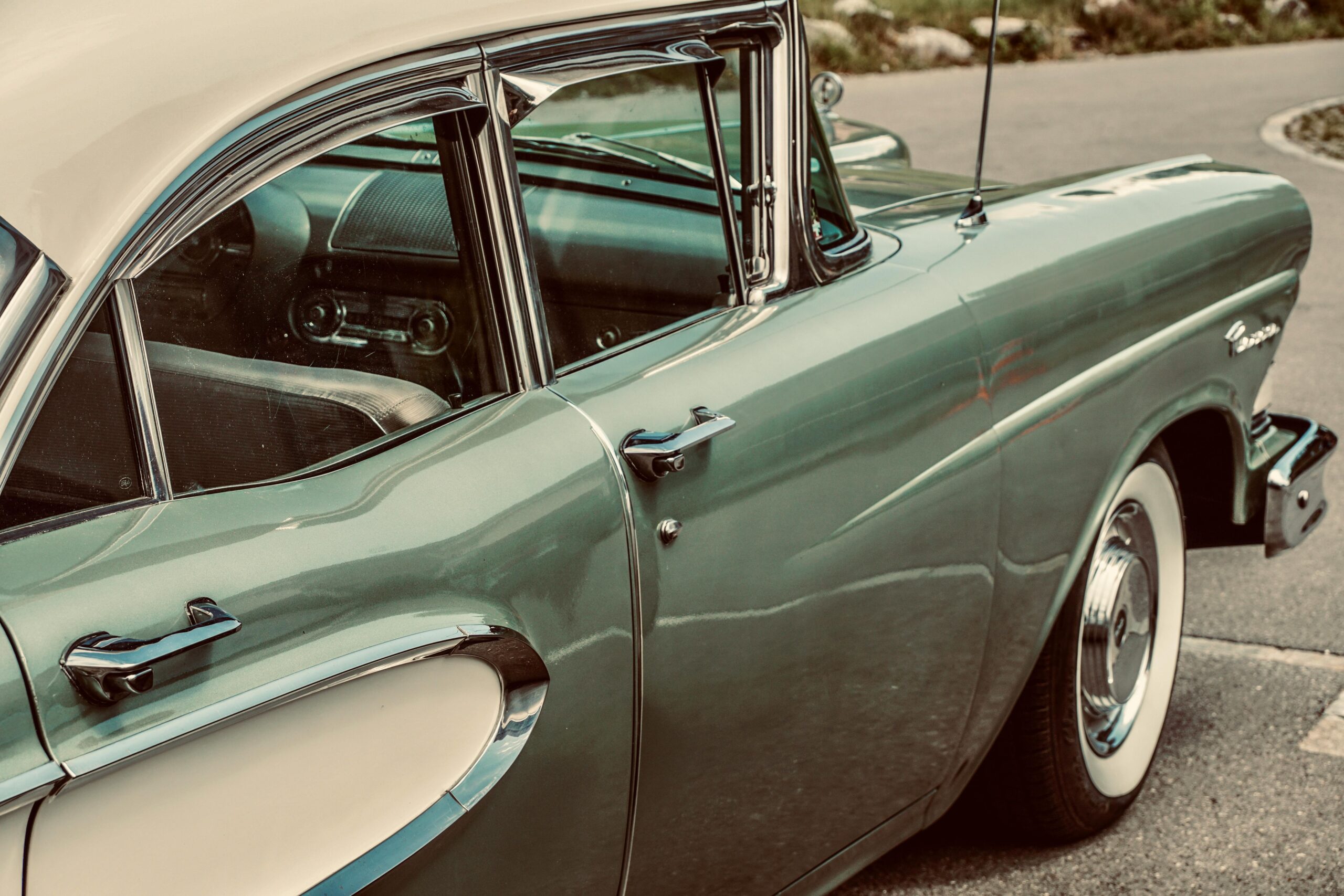
Photo by Susanne Jutzeler, suju-foto
Most people aren’t owners of classic cars. Would you be surprised if you learnt that a classic car to meet legal requirements needs to be over 15 years old and worth at least £15,000? A historic car, however, is one that is over 40 years old.
And while there are still many in existence, they’re not commonplace, which means that should you find yourself in the position of owning a car classified as either of these statuses, insuring it becomes a little bit trickier than throwing out a general search on a comparison site.
With this in mind, let’s take a look at what insurers actually look at before covering a classic car.
Where The Car is Kept Overnight
This is something that is asked for with any type of insurance, but for classic cars, this carries more weight. It’s generally thought you’ll be keeping a car like this off the road in a locked garage overnight, which is preferable for insurers to reduce the risk of damage or theft compared to being parked on the street. This is before you factor in the damage the weather can do to the vehicle.
Essentially, the more secure and predictable the storage of the vehicle overnight is, the less of a risk it will be to offer coverage.
How Many Miles The Car Will be Driven
You really need to understand how many miles you’ll be driving the car for each year and when. Classic cars usually aren’t driven every day like modern vehicles; they’re not your reliable workhorse anymore, getting you from A to B.
Lower mileage will work in your favour, but it does need to be realistic. Your actual usage and your usage declaration need to line up, as this mismatch can compromise your insurance policy. So when you look to find the right insurance cover for your classic car, make sure you understand the mileage expected and frequency of use for a better quote and to maximise your chances of obtaining the right insurance cover for your needs.
What The Car Is Valued At
As mentioned above, classic cars are deemed to be worth over £15,000. So it makes sense that your insurer will want to know the exact value before giving you a quote.
But the thing is, the value of classic cars can fluctuate depending on the condition, restoration work and provenance.
Insurers will need a realistic figure on its actual worth, not just a random Google search or potential value. It’s what it is worth right at the moment you insure it. Typically, this is where agreed value policies come into the picture. Insurers and owners agree on the value of the vehicle, so if a payout is needed for any reason, this is guaranteed, and there’s no interpretation later.
What Security Measures Are in Place
Older cars, as standard, don’t come with more modern security options, meaning you need to prove what security measures you have in place. Is the vehicle locked away when not in use? Does it have an aftermarket GPS installed on it? Any alarms, immobilisers or physical barriers to prevent or deter theft or criminal damage? The better protection you have for your classic car, the more appeased insurers will be as you’re proving you’re protecting your car and the more favourable the terms will be.