
Accidents and storms happen all the time. Most of the time, damage does not occur. However, when it does, you can rest assured that you’ll be pondering whether or not the damage is extensive. This is especially true when it comes to your home’s most important features, like the roof. But, how much damage does it actually take to total out your home’s roof?
You might be surprised to learn what it takes to total a roof. The obvious signs, like a tree falling on your home, isn’t the set standard. But what else could qualify, and does age play a role? Let’s take a look.
How Is Roof Damage Determined?
While it would be easier if there was a set standard as to what qualifies as a roof that’s been totaled, there isn’t. It can be frustrating for homeowners and professionals alike because of this. Though, there are some general guidelines that insurance companies will use to determine whether or not a roof should be replaced or simply repaired. The general rule of thumb is that insurance companies and roofers will look at test squares. They will take samples from each roof slope to determine the roof condition. A test can be up to 10×10 square from various points on the roof. If damage is done to six or more, it may be determined that the roof is totaled.
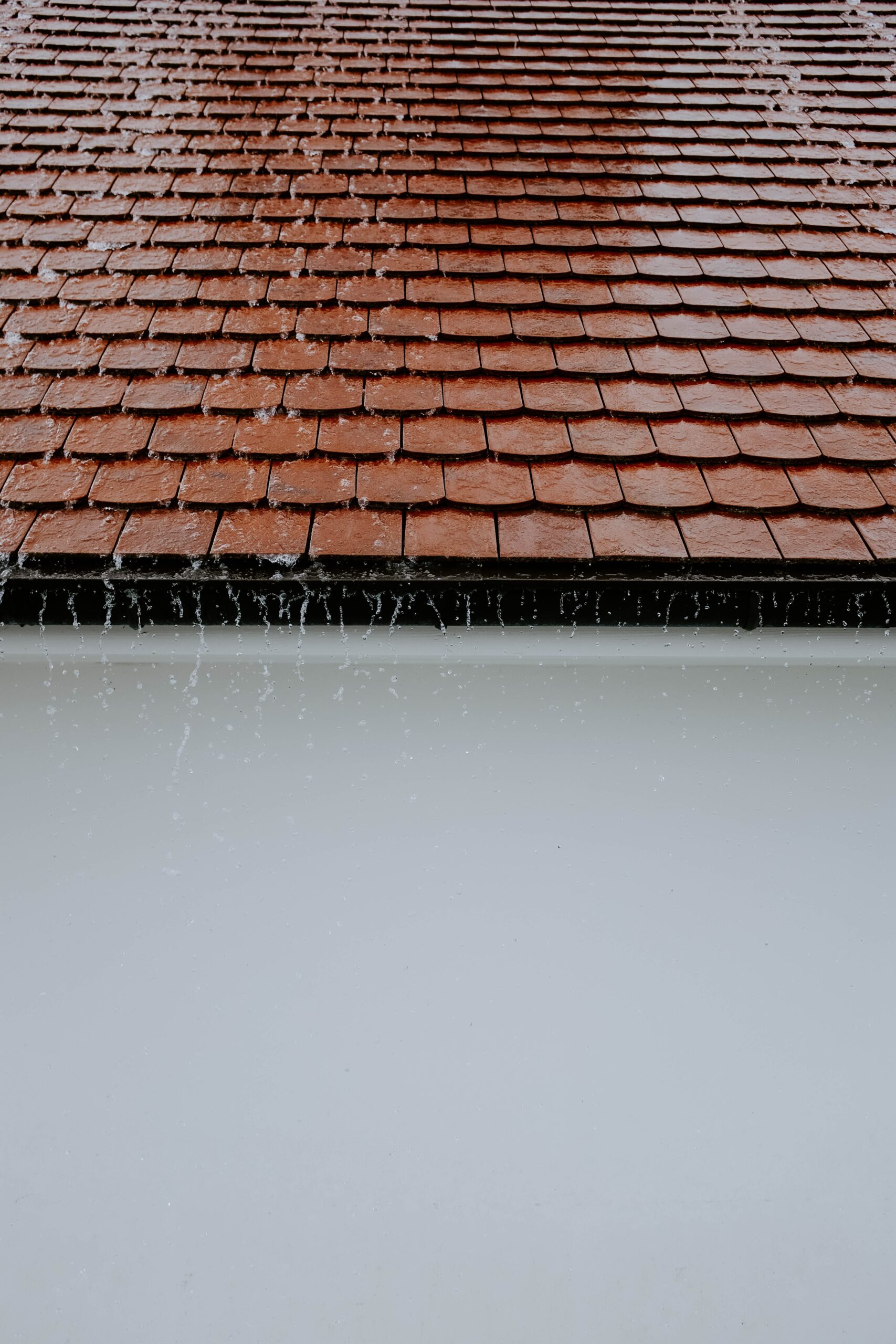
Photo by Adrien Olichon on Unsplash
Should You File An Insurance Claim?
This is something homeowners waffle on quite a bit. While you would think the easy answer is to simply submit the work for payment by insurance—it isn’t all cut and dry. You may not want to file a claim with your insurance company because it will skyrocket your insurance. If you’re already paying quite a bit for your homeowner’s insurance, filing a claim could only increase that. Aside from your insurance raising, you’ll also have to pay a deductible.
Most homeowners pay between $500 and $1,000 in deductible costs. If the repair cost is only $1,300, this would only be an added $300 out of pocket. It may be worth it to simply pay the out-of-pocket expense altogether and avoid the rising cost of your insurance. You can also have greater flexibility as to who you have to repair your roof when you choose to pay it on your own.
It is also important to consider the age of your roof. If there is significant damage and your roof is over 10-15 years old, it might be more beneficial to simply replace it—your insurance company might think so too.
Request An Estimate and Inspection From a Reputable Roofer
Before you contact your insurance company, it’s important to contact a reputable roofer for an estimate and an inspection. They will also be able to tell you if your roof is totaled and a good candidate for replacement versus repair. Having this information will allow you to make a better assessment as to how to move forward.
To make that assessment practical, ask contractors for an itemised breakdown of labour, materials, disposal and any permits so you can compare apples to apples; roof size, pitch, material and any decking replacement are the biggest drivers of price. If you’re unsure what ballpark to expect, researching typical roof replacement cost in your region can help set realistic expectations before getting quotes. Also request details on warranty coverage and the scope of installation work so you know whether the price includes underlayment, flashing and cleanup. Comparing two or three written estimates will give you a clearer picture and help inform whether to file an insurance claim.
Are you concerned that you need a new roof? Has storm damage caused leaks or significant wear to your roofing materials? The process for putting on a new roof starts with an inspection. Get a professional inspection from the experts at New Roof Plus today. To view services or to request an inspection and estimate visit the website today.