
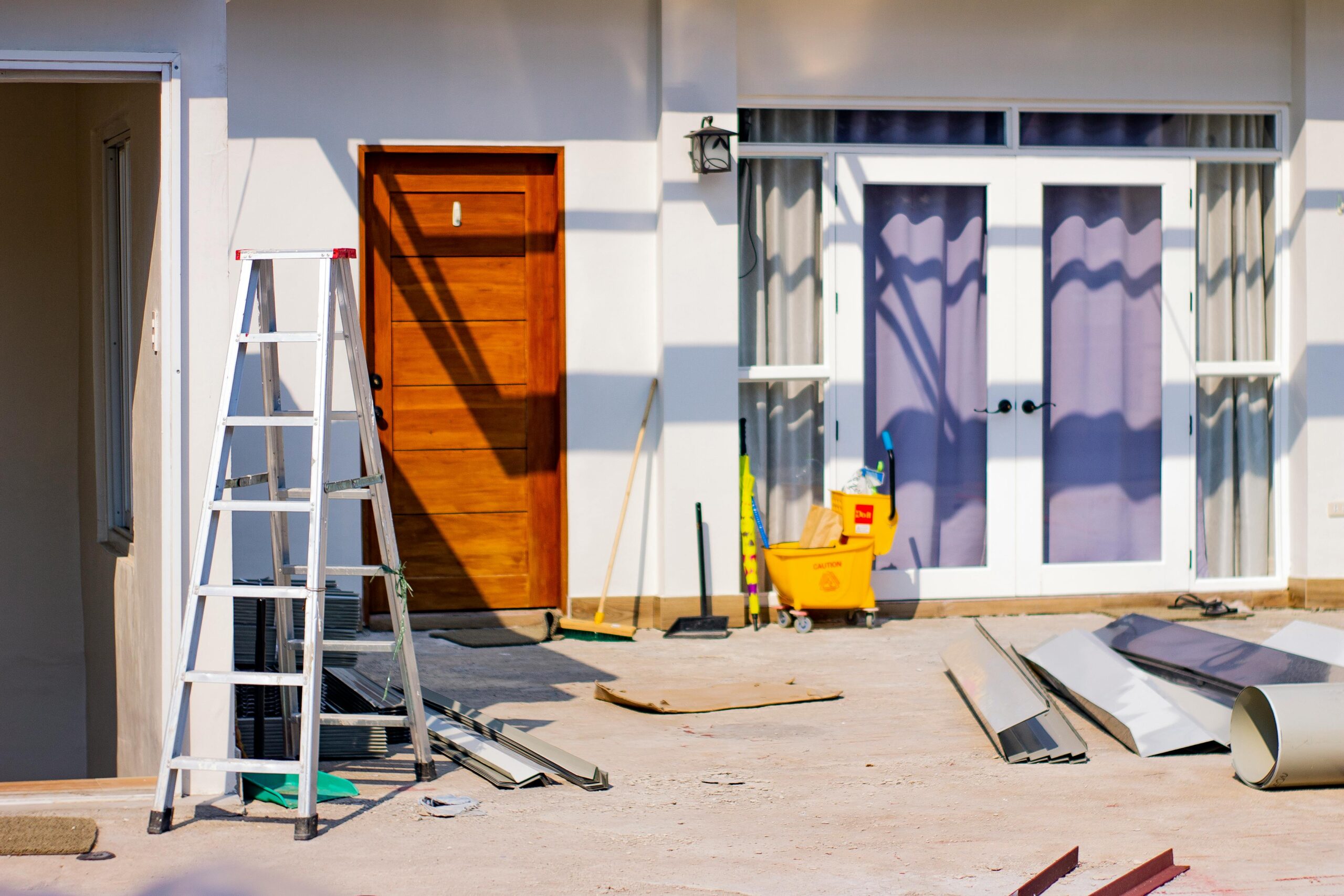
There’s this fun idea of having a fresh start, just selling your home once you get tired of it, buying something new somewhere else, and just starting your life off fresh. New home, new location, new you, right? And yeah, a lot of people will do renovations on their home to help sell their home faster, so this fresh start can hurry up and happen.
And yeah, it’s very easy to assume that making a house look newer, trendier, or more expensive automatically means it’s worth more. That’s usually the thinking, right? Like a new kitchen, fancy tiles, a statement wall, maybe some gorgeous lighting, and surely the value’s gone up. Except, yeah, not always. Sometimes those changes help, but sometimes they just make the house feel more specific to one person’s taste, and that’s not quite the same thing as making it more valuable.
And the problem is, there’s this push that any change will instantly boost the value; sometimes, it’s just you spending money with no real return.
Expensive Doesn’t Always Mean Valuable
And this is probably the biggest mistake people make. But how? Better yet, why? Well, spending money and adding value aren’t actually the same thing, no matter how convincing the receipt may look afterwards. Again, the idea gets pushed around a lot on TV, on DIY videos online, you name it, but no, they aren’t the same.
Like, a home can have a very expensive bathroom renovation, for example, but if it’s packed with ultra-specific finishes, odd colour choices, or features that feel more boutique hotel than everyday home, buyers may not see it as a bonus. Actually, they may see it as something they’ll eventually want to redo. Sure, if you add a basement to the house, then there’s value because you’re adding more space. Make sense?
Taste-Driven Updates Can Narrow the Appeal
And this is actually where things get a bit awkward, because a lot of home improvement choices are made with a lot of confidence and a very strong Pinterest board behind them. While, yeah, sure, bold design can look great, of course, but it can also make the home feel less flexible to buyers. Not that everything should be beige, either, of course. But that’s the issue here, people don’t entirely realize.
Basically, value tends to hold up better when improvements make a property feel more functional, more solid, and easier to live in. Once an update starts feeling too personal, too niche, or too obviously trend-led, the pool of buyers who actually want it can start shrinking. Again, it doesn’t mean everything should be bland, basic, Millennial grey, and sad beige either.
But you shouldn’t be asking how much is my house worth when adding additions on that reflect your personal taste. And ideally, you shouldn’t be changing your home and spending money if you’re just deadset on the next people living there. At that point, is it even your house?
Not Every Modern Look Adds Market Appeal
Now, modernising gets talked about like it’s automatically the right move, but that depends entirely on what’s being changed and how it’s being done. But there’s a big difference between freshening up a tired home and stripping out all its character in the name of making it look current.
Actually, a lot of houses end up in this weird middle ground where they’ve been updated just enough to feel trend-chasing, but not enough to feel timeless or genuinely high quality. And that’s when the money spent starts looking a bit questionable from a value point of view. It’s not something you probably want, right?