
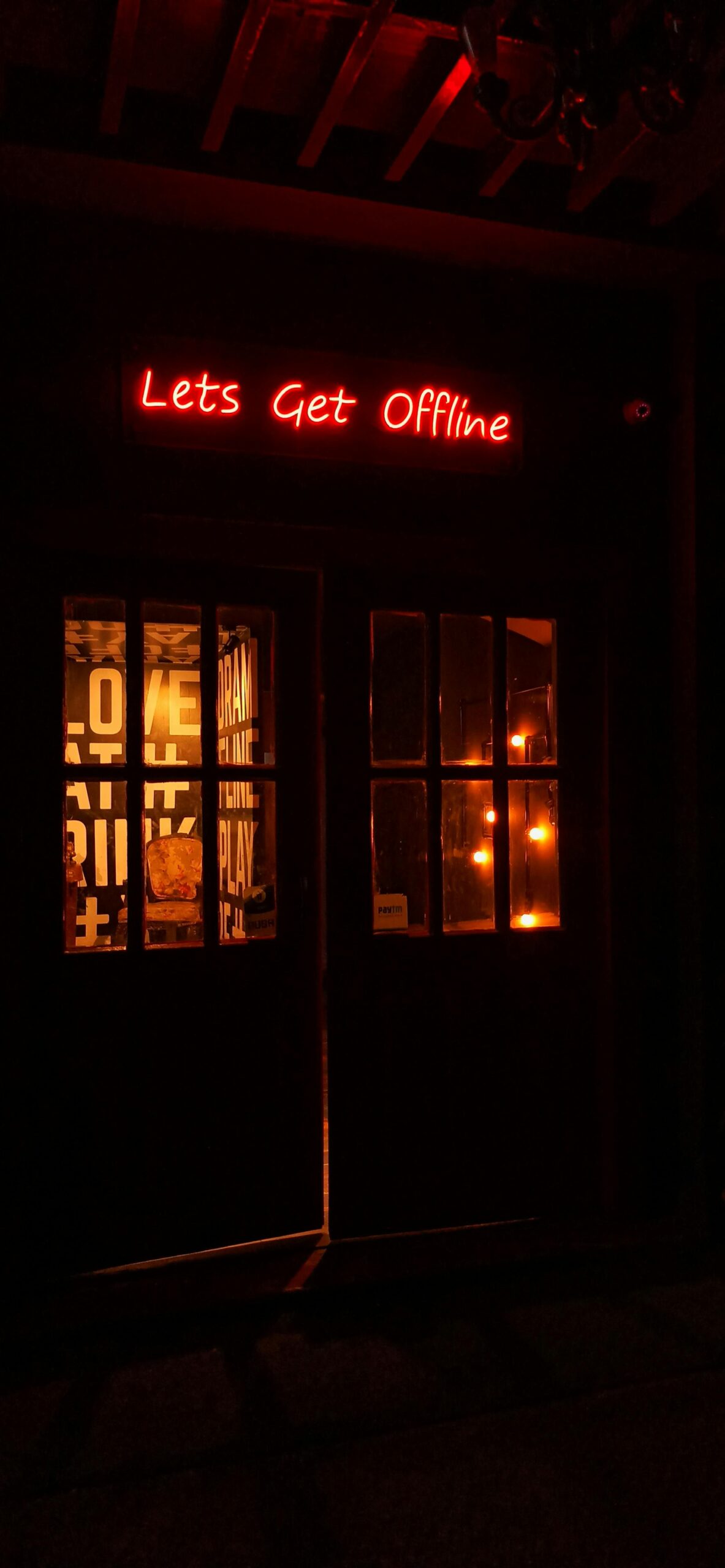
The internet is inextricably woven into everyday life in 2026. We all use it every day, whether it’s to check the news, see what our friends are up to on social media, watch videos and stream music, or to complete our daily work, and for most of us, going offline permanently is just not going to be an option. So, it is a really good idea for us to work out how we can make the time we do spend online healthier and happier for us because, as much as we need the internet, and as much joy as it may give us, sometimes it can also be a major source of stress and unhappiness too.
The good news is, with a few thoughtful changes, it’s possible to enjoy everything the online world has to offer without feeling overwhelmed, distracted, or exhausted by it.
Be Intentional About Why You Go Online
One of the biggest contributors to unhealthy online habits is mindless use. Many of us open our phones or laptops without a clear purpose, simply reacting to boredom, stress, or habit. Before we know it, an hour has passed and we feel oddly unsatisfied.
A healthier approach starts with intention. Ask yourself why you’re going online in that moment. Is it to check a message, learn something, relax, or be entertained? When you know your purpose, you’re more likely to stop once it’s fulfilled instead of drifting endlessly between apps and sites. Intentional use helps the internet serve you, rather than the other way around, and that is what you want, right?
Curate What You Consume
It’s fair to say that on the internet, not all content is created equal. For every amazing in-depth article about the current political situation, there are a dozen more fake news stories designed to make you worry more and stir up hatred against your neighbor. So, if you want a healthier and happier online experience, you need to learn to curate your online life better.
Take time to unfollow accounts that consistently make you feel worse, mute topics that trigger stress, and subscribe to sources that align with your values or interests. This applies to news, social media, and even entertainment platforms.
Curating your feeds isn’t about avoiding reality. It’s about choosing a balanced diet of information rather than consuming everything indiscriminately.
Set Gentle Boundaries With Time
Spending too much time online can blur the boundaries between work, rest, and play. Even the activities that you enjoy the most can become draining and feel like a chore when they go on and on and on indefinitely, right? Setting gentle time boundaries helps protect your energy without making the internet feel forbidden or restrictive, and makes things feel fun again, too.
This might mean logging off at a certain time in the evening, keeping phones out of the bedroom, or limiting how often you check specific apps. These boundaries work best when they’re realistic and flexible, rather than rigid rules that feel like punishment.
The goal here is to create space for offline activities that support your wellbeing, not to eliminate online ones altogether.
Balance Passive and Active Engagement
A lot of online time is spent passively scrolling, watching, or consuming content without much interaction. There is absolutely nothing wrong with this now and again in small doses, but too much passive engagement can leave you feeling disconnected or mentally dull.
Active engagement, on the other hand, tends to feel much more satisfying for most people. This includes writing, creating, learning, playing games that require thought, or having meaningful conversations. Even something simple like solving a daily puzzle such as wordle can be more mentally nourishing than endless scrolling.
Striking a balance between passive and active use helps make your time online feel purposeful rather than draining.
Protect Your Attention
Your attention is one of your most valuable resources, and the online world competes aggressively for it. Notifications, pop-ups, autoplay videos, and constant updates fragment your focus and make it harder to think clearly.
Turning off non-essential notifications, closing unused tabs, and resisting the urge to multitask can significantly improve your online experience. When you give your full attention to one task at a time, you not only work more effectively but also feel less mentally scattered afterwards.
Basically, a calm digital environment leads to a calmer mind.
Be Mindful of Comparison
Social media and online platforms often present curated versions of other people’s lives. Even when we know this intellectually, it’s easy to fall into comparison, measuring our own lives against highlights and achievements.
A healthier online experience involves noticing when comparison starts to affect your mood or self-esteem. When that happens, it may be a sign to take a break, change what you’re viewing, or remind yourself that what you see online is rarely the full picture.
Your real, lived experience is more complex and valuable than any filtered snapshot, right?
Maintain Real-World Connections
Online interactions can be meaningful, for sure, but they really cannot replace real-life human connections, and you should not let them. Spending time with people offline, through conversation, shared activities, or even quiet companionship, grounds you in ways that screens cannot fully replicate.
If you find yourself feeling isolated despite being constantly connected, it may help to intentionally prioritise offline relationships. A healthier online life often goes hand in hand with a richer offline one.
At the end of the day, the internet should enhance your relationships, not substitute them.
Take Regular Digital Breaks
Stepping away from screens, even briefly, can reset your nervous system. Short breaks throughout the day give your eyes, brain, and body a chance to rest. Longer breaks, such as screen-free evenings or weekends, can help you reconnect with activities that don’t involve devices.
These breaks aren’t about deprivation. They’re about restoring balance and reminding yourself that life exists beyond notifications and updates.
Often, people find that when they return online after a break, they’re more selective and mindful about how they engage.
If the internet is not giving you a good experience, it’s time to change that, so check in on how you feel, and maybe do some of the stuff above for a healthier, happier online you.