
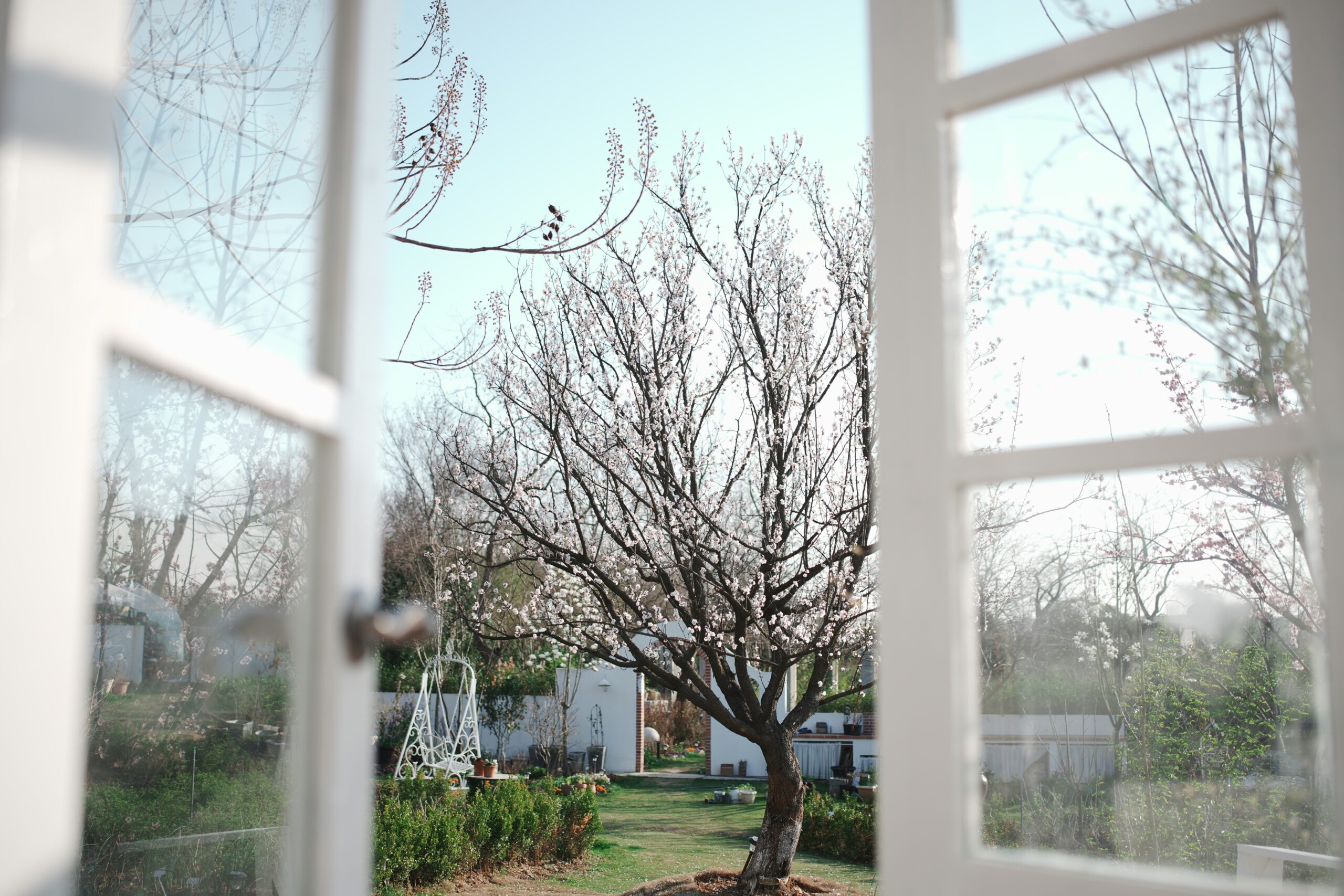
Springtime brings with it an opportunity to revive your garden after having weathered in the winter’s grip. After having endured its chill, they often require some TLC to regain their vibrancy. In this blog, we will look at some of the things you need to do to change your outdoor area into a welcoming space you’ll appreciate all year. A bit of preparation can make a “glowing” difference.
Declutter the Winter Leftovers
Out With The Old
The aftermath of winter may leave behind an accumulation of debris ranging from broken branches and leaves to stagnant growth that’s outlived its welcome. To prepare your garden for spring’s arrival, start by clearing it all away. Dead plants, expired annuals, mulch or compost that’s no longer relevant, and damaged pots or tools cluttering up your space should all be removed to make room for new growth and make space for what lies ahead.
Scrub, Sweep and Clean
Don’t neglect hard surfaces such as patios, pathways, and outdoor furniture when refreshing your garden this spring. They tend to accumulate moss, grime, and dirt over winter, which can reduce their beauty. Using a power washer or giving these areas a thorough scrubbing can make a noticeable difference and restore their clean, well-kept appearance. Remember a beautiful garden is more than just lush plants and vibrant flowers. Every aspect from elements such as patios to hardscaping plays its part in creating an inviting retreat. Make sure that this springtime, you come fully prepared.
Equip Yourself for Better
Check Your Tools
Before dreaming of perfect borders and flourishing shrubs, take some time to inspect your gardening tools. Are your pruners free from rust? Can your spades and trowels withstand another season? Carefully check all your equipment to identify any signs of wear. Sharpen the blades to ensure precise cuts, tighten loose handles for safety purposes, and replace tools no longer efficient or functional as soon as possible. Properly maintained tools make gardening easier and also elevate its quality. Starting the season off right can result in more productive and fulfilling gardening experiences.
Hedge Trimmers and Other Gadgets
Hedge trimmers are tools for precision tasks like shaping the hedges or controlling unruly shrubbery. Their lightweight electric or cordless options give users power and ease to easily sculpt their greenery. Also, other important tools should include an effective hoe for weeding, an ergonomic rake for clearing debris, and a wheelbarrow to manage heavy loads.
Nourish the Soil
Test and Amend
A healthy garden requires fertile, nutrient-rich soil. Spring is an ideal time to test its pH and nutrient levels and make adjustments accordingly. Testing kits are widely available. Once you know its condition, amending it as necessary with organic fertilisers can set it up for a successful growing season ahead.
Turn and Aerate
A thorough digging-through can revitalise compacted soil, enabling roots to spread freely and absorb nutrients more readily. Aerating improves drainage to minimise flooding after unpredictable April showers. Aerating also allows better water drainage. Any time invasive weeds pop up, it is better to eradicate them quickly, as their seeds have the power of taking over the garden if left alone. If invasive species appear, it’s also important that these be removed at their source as soon as possible before they spread further.
Plan Your Planting
Select Your Plants
Spring brings with it an abundance of blooming flowers, lush lawns, and vegetable patches coming back to life. Selecting your “stars” this season is very important to your garden’s overall aesthetic and functionality. Perennials like daffodils or tulips provide bright pops of spring colour, while early-blooming crops such as spinach or radishes make great edible choices that deliver nutrients to your meals. A well-rounded selection that features height, colour, and bloom time schedules can ensure ongoing visual interest throughout the season.
Timing Is Everything
Weather patterns should always be kept under close watch, as unseasonal frosts can wreak havoc with young plants and could pose an immediate risk. Starting your seeds indoors or in a greenhouse to protect from temperature swings may help. Deliberately waiting until the “last frost date” will make sure that your seeds begin their life cycle under ideal growing conditions. Be patient, as a small delay could make all the difference in the results.
Restore Your Lawn
Clear and Reseed
Winter weather and heavy rains can leave your lawn looking patchy. Start by raking away dead grass and moss for better air circulation before seeding bare spots with grass seed mixed with fertiliser to promote healthy growth. Keep the area moist to help your new blades of grass establish roots quickly.
Edge for Elegance
An aesthetically pleasing lawn edge will instantly elevate the appearance of your garden. Use an edging tool to define crisp boundaries between the grass and garden beds. Creating this subtle yet striking edge can give the entire garden a polished appearance.
Prune Your Way to Perfection
Trim and Tidy
Pruning is a way that breathes life into plants by channeling their energy toward growth. Spring is the ideal time for ornamental trees, hedges, and shrubs emerging from dormancy to be pruned for appearance and to prevent fungal infections from spreading further. Remove diseased or dead branches to keep the disease from spreading further as you shape plants into an ordered, manicured look.
Don’t Forget the Roses
If you have roses in your garden, give them special care at the start of each season. Prune hybrid tea and climbing roses to encourage blooms, going for outward-growing shoots for improved air circulation.
Add Mulch To Protect and Perfect
Mulching can serve multiple functions beyond aesthetic enhancement in your garden maintenance. From regulating the soil temperature to keeping moisture at optimal levels, suppressing weeds and improving soil composition over time. Use organic mulch such as bark or compost liberally around the garden beds for an elegant and practical finish.
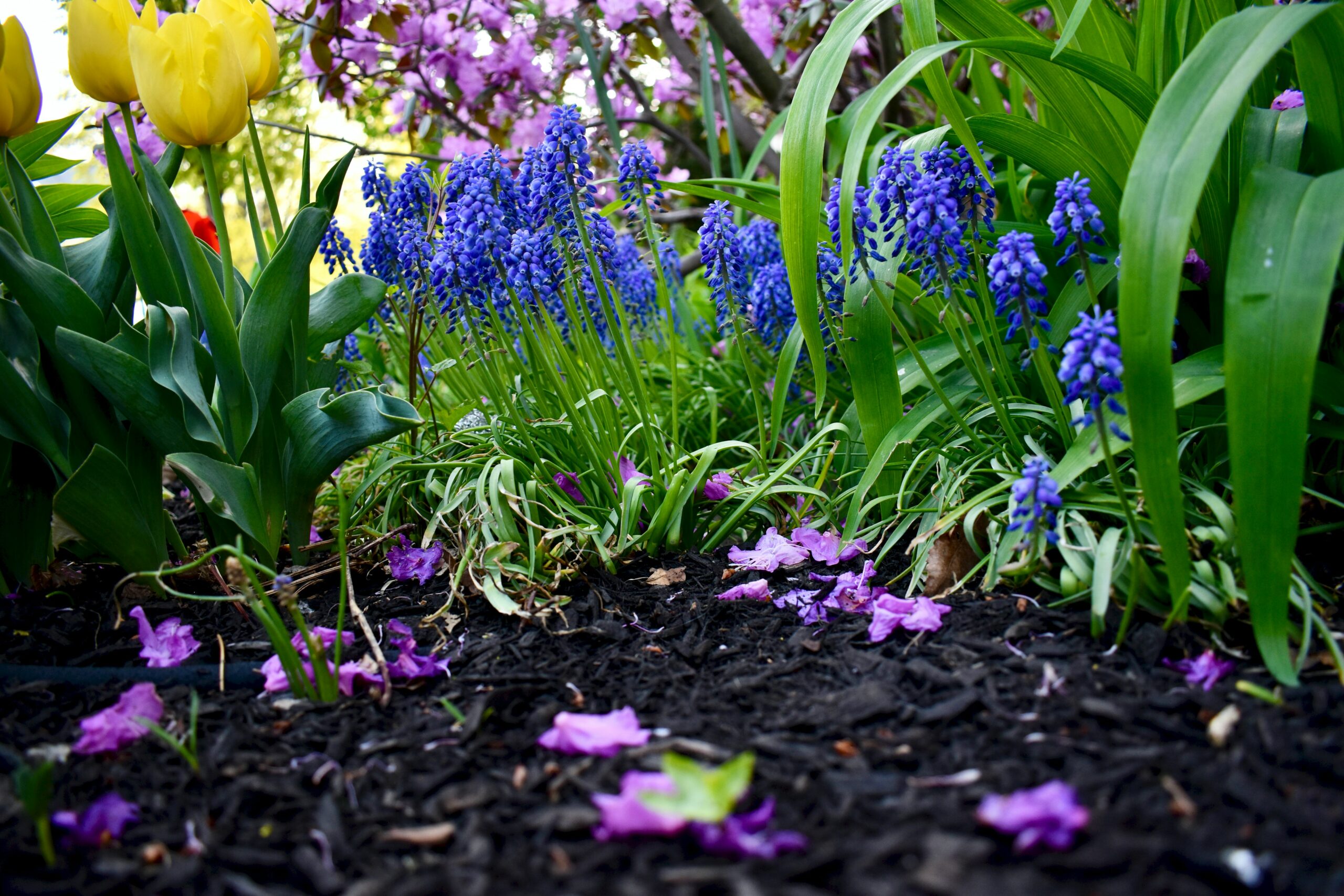
Photo by Faith Crabtree on Unsplash
Conclusion
Planning a spring garden requires effort and enjoyment. With some planning and elbow grease, your garden can come alive with vibrant colour and lush greenery, becoming a source of pride throughout the warmer months. Pollinators will love your spring gardens while creating summer gathering spots. It truly marks a fresh season, and it is something worth celebrating.