
It often starts with someone saying, “You should really sell this.” Maybe it’s your homemade chili jam that disappears within minutes at family gatherings. Or your brownies that never quite make it to the next day. If you’ve been toying with the idea of turning your kitchen skills into a small business, you’re not alone—and it’s more doable than you might think.
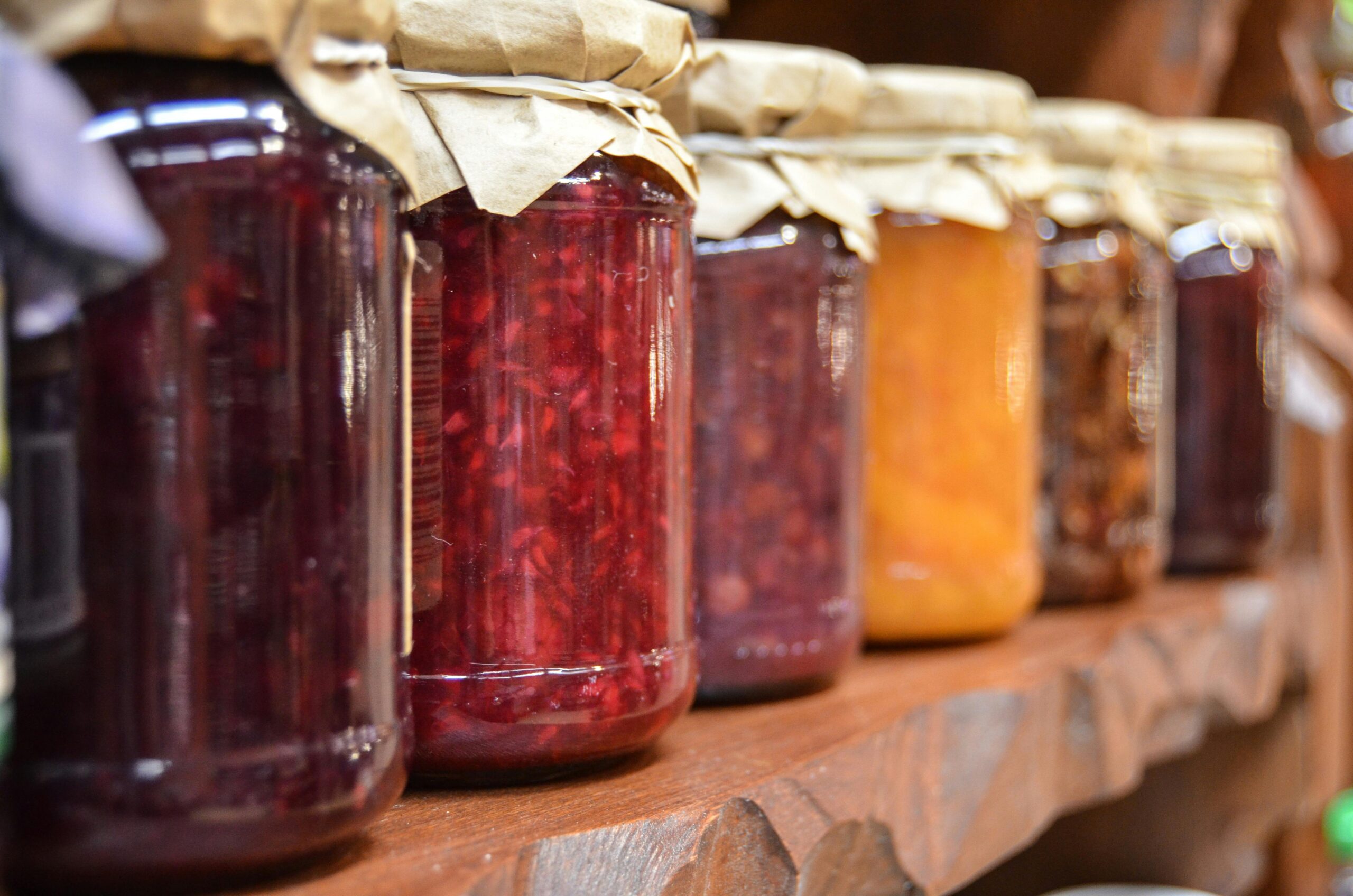
Starting a home-based food venture doesn’t require an industrial oven or a glossy website on day one. What it does need is a good dose of planning, a few honest chats with yourself about time and energy, and a realistic view of your local market. Whether you’re dreaming of artisan bakes, small-batch preserves, or savory snack packs, the foundations are often the same.
Know What You’re Allowed to Sell
Before you whip up your first official batch, it’s important to understand the food regulations in your area. The UK has clear guidelines about what can be sold from a home kitchen and under what conditions. Registering your food business with your local council is a legal requirement, and they’ll likely inspect your kitchen setup, too. It might sound a bit official, but it’s a fairly straightforward process, and most councils are actually quite helpful in giving advice to first-time sellers.
Start Small (Then Tweak It)
You don’t need a 20-product range straight out of the gate. Choose one or two things you already make well and start there. Test them with friends, offer samples, and gather feedback. The more you learn early on, the more confident you’ll feel when real customers start knocking—or placing orders.
Labeling matters more than people think. You’ll need to list ingredients, highlight allergens, and add use-by dates. Simple sticky labels will do in the beginning as long as they’re accurate and clear.
Set Up Shop, Your Way
Many small food businesses begin through word of mouth. Instagram and Facebook can work wonders for building buzz locally, especially if your photos look good and you post consistently. Local markets, community groups, and pop-ups offer brilliant ways to meet customers in person and understand what they’re drawn to.
This is where you can start thinking about what is micro marketing—a term that simply means targeting very specific audiences with tailored messages. If you’re selling gluten-free loaf cakes for toddlers’ lunchboxes, your ideal customer isn’t everyone—it’s the parent juggling allergies, schedules, and snack options. The tighter the focus, the stronger the message.
Charge Properly (Even When It Feels Uncomfortable)
Pricing is one of the biggest hurdles for home-based makers. Far too many are undercharged, and I’m worried their prices sound too bold. But your time, ingredients, packaging, and skill all carry value. Do the maths. Then stand by it. If saying the number out loud makes you squirm, practice until it doesn’t.
Don’t Wait Until You Feel “Ready”
You might never feel totally prepared—and that’s perfectly fine. Learning as you go is part of the process. The benefit of starting small is that it gives you space to adapt, shift your product range, and grow alongside your confidence. One jar, one loaf, one order at a time.
And if you’re looking for permission, this is it. If it excites you, give it a go. Your kitchen could be the beginning of something far more meaningful than just a hobby.