
Collaborative Post
Almost everyone has had a moment where they look at their bank account and become slightly alarmed at its contents – or rather, its lack of contents. Here are some tips that will enable you to make your way towards better financial health.
Get Organised
First and foremost, get organised. An easy way to do this is to automate your bills – your phone bill, your gas, your rent, your electricity… This may seem frightening – what if you don’t have enough money in your account? – but it will prevent you from paying those bills late and possibly incurring a late fine or interest. Make a budget for each month and work out what exactly your incomings and outgoings are – be entirely honest with yourself and you might figure out that you’re spending a whole lot more on that daily coffee and sandwich than you realised before. If you have debts, work out a debt management plan so that they get paid off at a rate that suits you. Debts can be stressful and frightening, and getting them under control will lighten the load on your shoulders.
Use The 30 Day Rule
If you have a habit of making impulse purchases that start to add up after a while, it’s time to install the 30 Day Rule. If you see something that you want, wait thirty days, and see if you still want it. Then decide whether or not to buy it. A lot of the time, you’ll find that you don’t want it so much after all. This will save you money and also break the spending habits that you’ve sunk into.
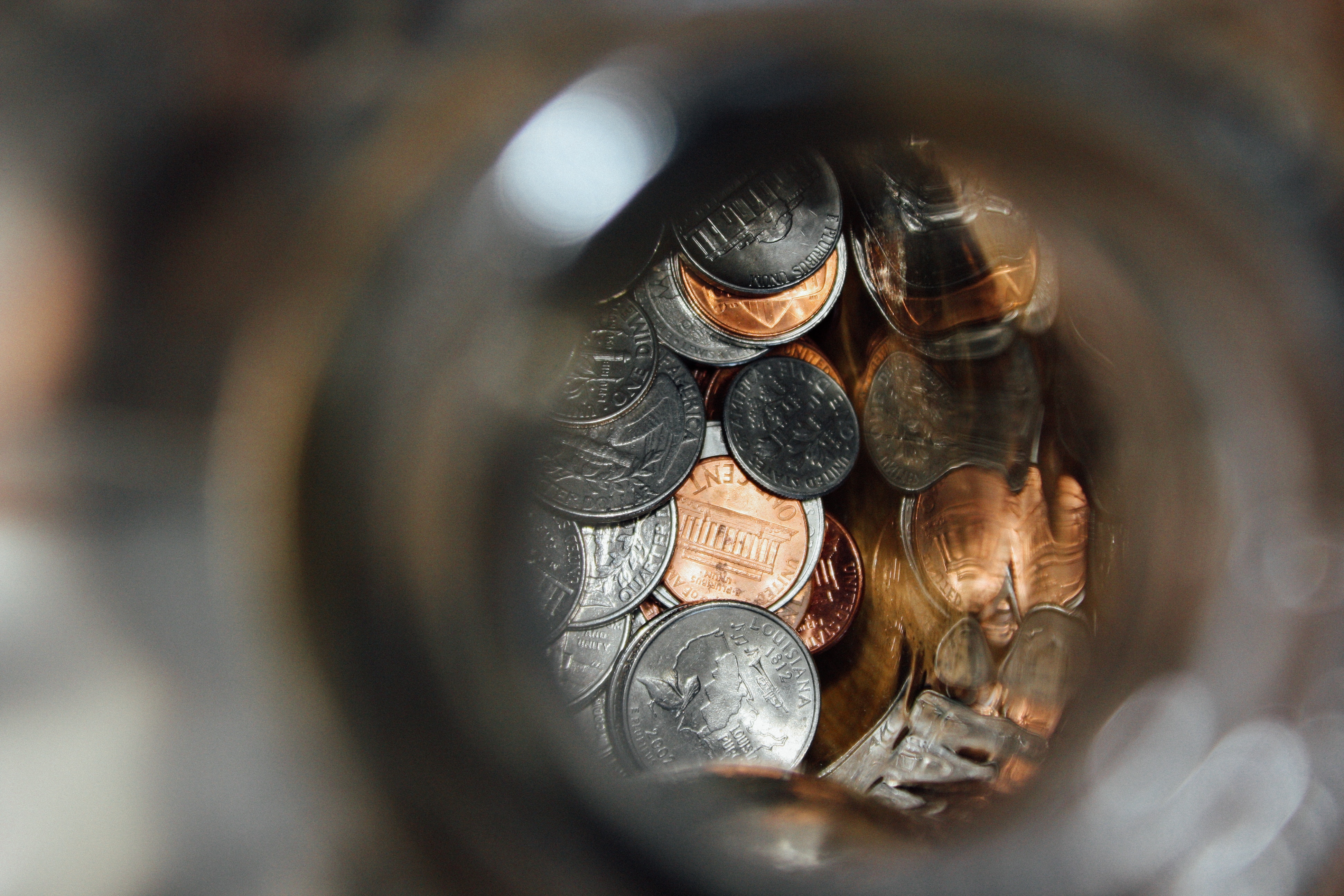
Go with cash over credit card every time. It’s a lot easier to see exactly how much you’re spending if you use cash, meaning that you might be deterred from making small purchases that you don’t really need. In addition, credit card debt is extremely easy to get into, particularly if you have multiple cards – once you work your way out of that debt, you’ll never want to get back there again. At the beginning of each week, take as much cash as you’ll need out from the bank, and don’t overspend.
Start To Meal Plan
At the beginning of each week, make a meal plan, and figure out what you’re going to eat each night. This will make it easier when you go to the grocery store as you’ll know what you’re buying and you won’t end up overspending on items of food that you don’t need and that might go to waste. You could even plan out your lunches for work so that you can batch cook at weekends.
Create An Emergency Fund
Finally, there’s nothing more reassuring than having a nest egg. Put away whatever you can afford each month in a savings account, for any unexpected expenses that might arise, like car repairs, vet bills, or unexpected sick days. Having that saved money will help you to stay calm if you’re in a tricky financial situation.
Breaking spending habits can be hard, but it’s very possible – implement the 30 Day Rule, use your credit cards as infrequently as possible, and get organised, and you’ll be able to save some money in no time.