
Collaborative Post
When you first start wearing glasses, it can seem like a big lifestyle change. However, most will find that they adjust quite quickly.
Overall, glasses are a low maintenance option for vision correction. That doesn’t stop bad habits from sneaking in, though. Many people don’t realise that poor glasses care can have an impact on their effectiveness as well as overall eye health. So, here are a few tips to help with the transition from glasses novice to glasses pro.
Choose wisely
The glasses care journey starts at the very first step: choosing your glasses. The decision shouldn’t be taken lightly because your eyes will adapt to the lenses you choose each and every day that you wear them. This has an impact on your eye health over time.
Fit
Glasses are not one-size-fits-all. Take note of the lens, bridge, temple and total width measurements on the inner arms of the glasses and make sure that the frame you choose fits well and feels comfortable on your face.
Ill-fitting glasses can put pressure on your temples, behind the ears and at the nose bridge. With extended wear this can cause headaches, migraines and even start to impact your vision if you suffer from migraine with aura.
Style
Since you’ll be wearing your glasses frequently, it helps to choose a pair that you like. Choose a frame that suits your personal style and your face shape.
As a general rule, square frames suit most face shapes but if you have a heart-shaped face or a rectangle face shape you might benefit from the extra structure of a clubmaster or cat eye style frame.
Coating options
Consider the environments in which you plan to wear your glasses and what activities they will be used for. There are a number of coatings that can be added to glasses as an additional extra, but they should not be viewed as such. Wearing glasses alters the way that your eyes experience and process light, which introduces new factors for you to consider. However, even if you do not have a prescription, everyday tasks like working or gaming can impact your eye health.
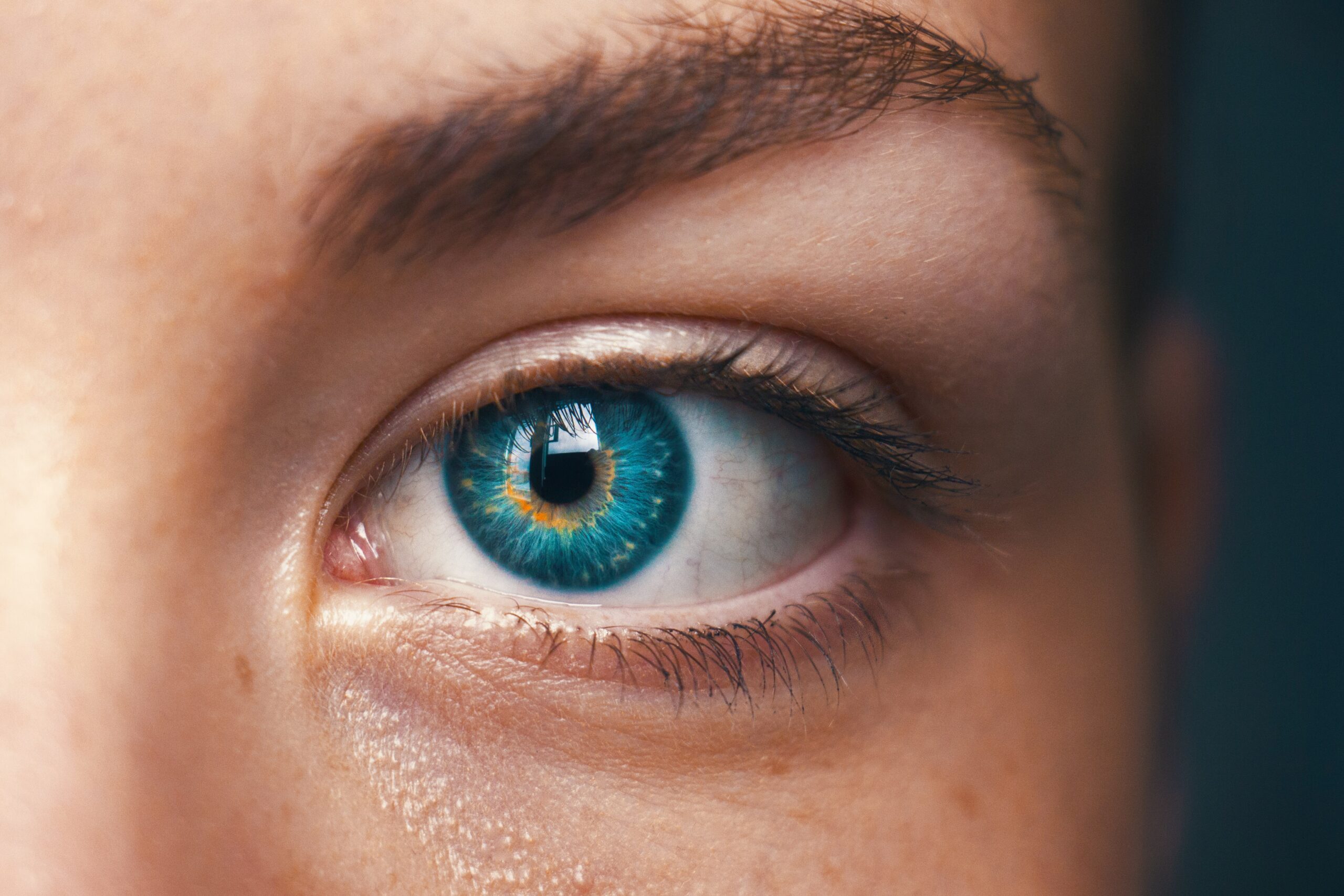
Photo by Amanda Dalbjörn on Unsplash
Choosing the right coating can make a significant difference to long-term and short-term vision as well as visual comfort.
| Blue light filter | Reduces eye strain by significantly reducing the levels of blue light being emitted to your eyes from screens of digital devices. |
| Anti-reflection | Provides enhanced visual clarity by reducing light reflection from the lens. Transmits 99.9% of light to the eye to help with reflection while driving or using screens. Necessary with some types of lenses. |
| UV filter | Blocks harmful UV rays which are associated with developing eye conditions like cataracts. |
| Scratch-resistant | A hard coating that helps to mitigate scratches caused by everyday glasses use, which can reduce the effectiveness of glasses. |
| Polarised lenses | Polarised lenses reduce glare from light reflected off horizontal surfaces (water, wet roads, snow & car hood). Provides 100% UVA & UVB protection but may make it difficult to view digital screens. |
| Anti-fog | Anti-fog coatings eliminate excessive condensation caused by moisture, clouding and subsequent visual impairments on the lens. |
| Hydrophobic | Water-repellent coating that resists water droplets from resting on your lenses and prevents residue after wiping. |
When you shop for your glasses, you can often get a better deal and choose from the widest range online. Feel Good Contacts is one such online retailer that offers great prices on the best brands and original prescription glasses designs.
Create a wearing routine
To get the most benefit out of your glasses, it’s important to wear them regularly and consistently. That way your eyes can adjust for more visual comfort.
Even if you love the way your glasses look, it’s important to give your eyes a rest too. Make sure that you give yourself plenty of time for your eyes to recover in the evenings, before bed and when your eyes begin to feel tired or sore.
Soothing treatments like eye drops and eye masks are recommended for use intermittently and as needed to restore hydration and to ease any aches that might develop over time.
Practice glasses hygiene
Factor cleaning into your wearing routine. Dirt and dust that settles on the lens will impact visual clarity and impair your vision. This can be counter-intuitive to wearing glasses in the first place. Waiting until you notice that your lenses are dirty to wipe them is often not sufficient as the longer you wait, the more stubborn the dirt will be to remove.
For everyday cleaning, use a microfibre cloth. Other materials, like a cotton towel or polyester t-shirt are not dense enough to capture all of the dirt and will often leave streaky marks. Microfibre cloths are usually provided with the glasses when you buy them along with the original case, however, they are affordable and easy to buy or replace.
For a more thorough clean, use lens cleaner as your cleaning agent and wipe off any excess.
Treat glasses with care
As a glasses-wearer, one of the most useful things you can do for your eye health is take care of your glasses. This step will help with all of the other factors listed above, including keeping the lenses clean and free of obstructions.
When you handle your glasses with care you can avoid damages that can have an impact on the fit of the frame and the clarity of the lenses. Keeping your glasses scratch-free and tight at the hinges is the best way to ensure that they last a long time and cause you no issues.
When to seek help
The most important thing to remember when you’re thinking about how to maintain good eye health is to stay mindful of how your eyes feel every day. If your eyes feel sore or uncomfortable, don’t dismiss it.
Always check in with a qualified optician or seek help from an optometrist or your GP if problems persist, as it could be linked to an issue with your prescription or an underlying health issue.