
Maybe you dealt with a serious injury, maybe it was genetics, and only a matter of time, something was going to happen, but a diagnosis like that can make life feel like it’s been split into two parts, before and after. That sounds heavy because it is. Even if answers have been needed for a long time, finally getting one can still land with a thud.
Sure, there can be relief in having a name for what’s been happening, but that relief can sit right next to grief, fear, anger, exhaustion, and a strange kind of disbelief. Yeah, all at once. And of course, here, that’s what makes this so hard to explain to people who haven’t lived it. And really, that’s part of the problem. So many people expect the moment of diagnosis to be neat and clarifying, like everything starts making sense and then life just carries on in a more organised way.
But of course it often doesn’t feel like that. It can feel messy, emotional, unfair, and deeply personal. Which, yeah, of course, makes sense. You have a new normal you have to deal with, it’s you, sure, others need to work around it, but it’s you needing to accept all of this while at the same time mourning your previous life.
So, what’s the best way to cope with this here? Is there anything?
It’s Going to Take a Lot of Time to Adjust
Basically, there’s often this unspoken pressure to “adjust well,” as if coping is supposed to look tidy and inspiring. Sure, for others that aren’t mourning, sure. And people act as if a few weeks should be enough to take in life-changing news, make peace with it, and move forward with a brave little smile. Yeah, no. That’s not how real life tends to work.
It’s fine to be realistic here; in fact, you’ll need to. So, some days might feel calmer, more manageable, maybe even hopeful. Other days can feel raw and frustrating in a way that catches people off guard. A diagnosis can change routines, confidence, relationships, work, energy, plans, and the way everyday tasks feel. That’s a lot for one person to carry. It’s going to take time, and others need to just accept that.
Make Things Easier Before Trying to Make Them Normal
And what does this even mean, though? Well, chances are, you’re going to want to try to make everything how it was before this diagnosis. It’s just instinct. It’s normal to want to just push through, keep up, stay independent at all costs, and act like nothing’s changed. But with all of that said here, life doesn’t get easier just because somebody’s trying very hard to pretend it hasn’t shifted.
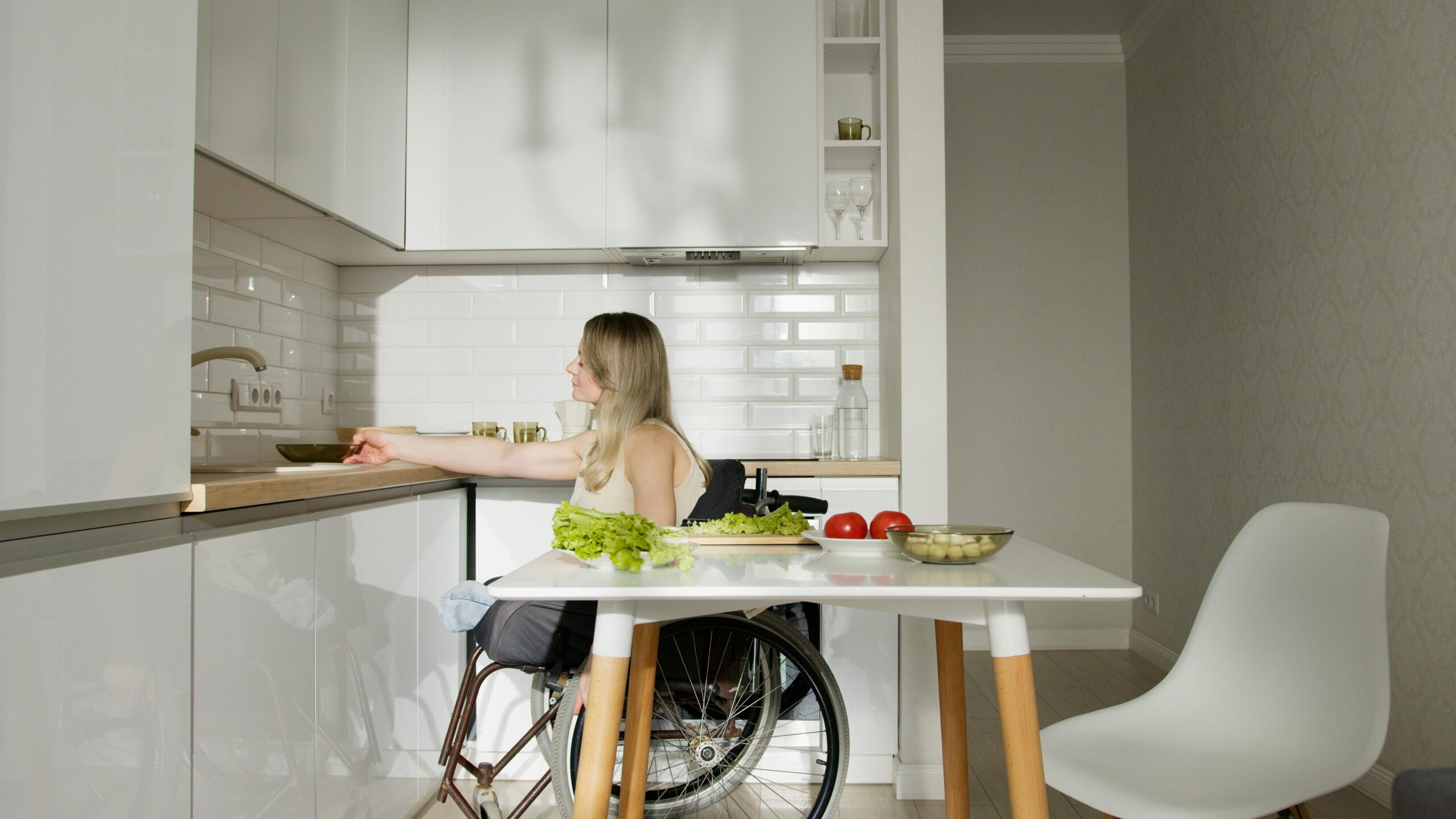
Sometimes, the kindest thing a person can do is stop aiming for “same as before,” it’s just not going to be realistic here sometimes, and so you might need to just accept that. For example, instead of just walking, or trying to, use mobility aids like a walker, a cane, or a wheelchair; there’s no harm, and it’s safer too. Same for something like hearing aids if you’re struggling to hear. Again, you need to make things easier on yourself while you try and transition yout life into this new normal.
No, Your Life isn’t Over
Granted, it might feel that way for the time being, and yes, of course, a new normal can sound like such a cold little phrase, right? Like it’s asking somebody to just accept a life they didn’t choose and be grateful for the adjustment period. But a different life doesn’t automatically mean a lesser one. Sure, that’s a hard pill to swallow, especially if you liked your life previously. But that’s an important thing to hold onto, especially early on, when everything still feels unfamiliar and a bit tender.