
Collaborative Post
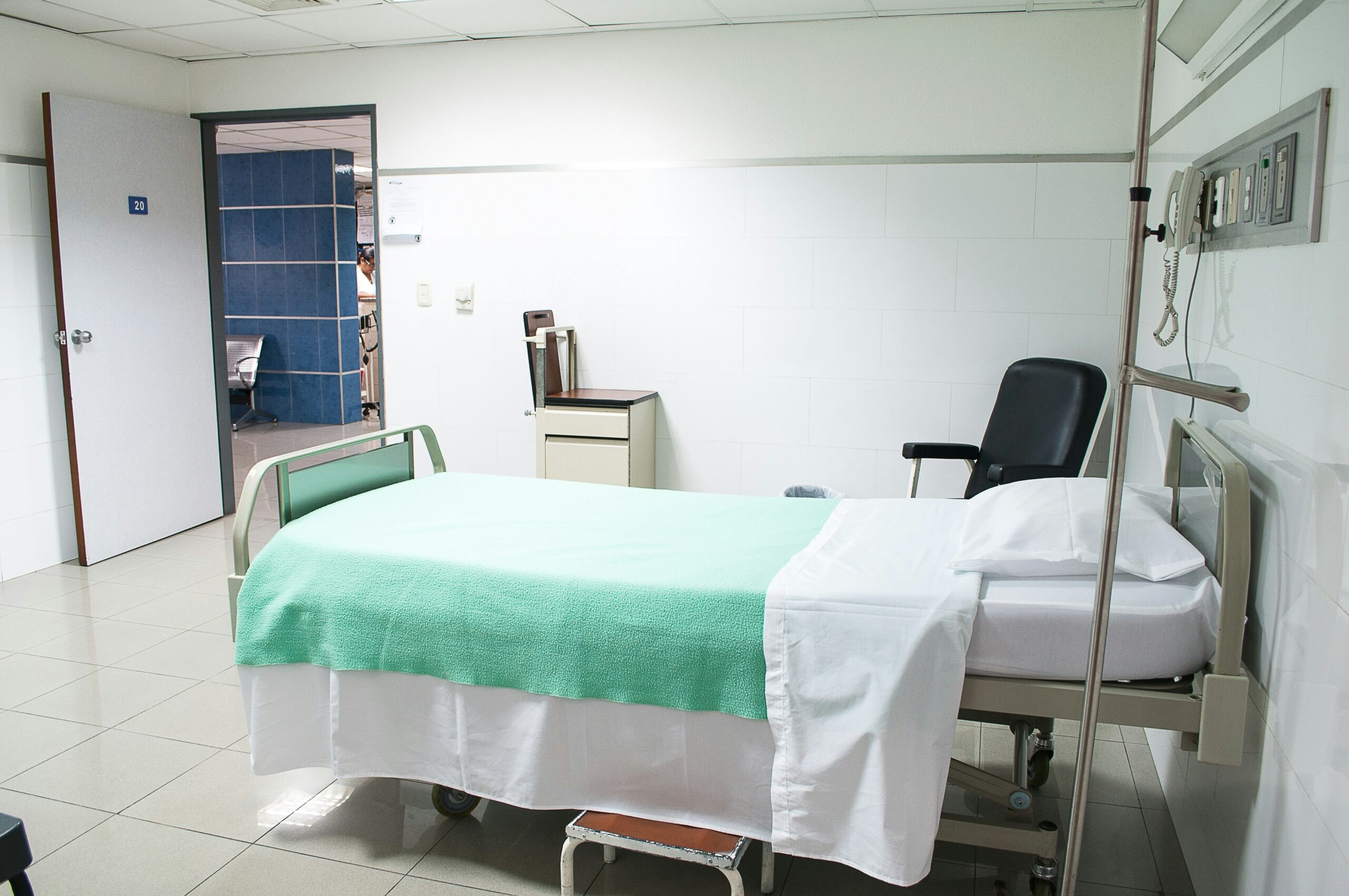
Photo by Martha Dominguez de Gouveia on Unsplash
Aches and pains are so common. In the UK, 34% of people have chronic aches and pains, which means ongoing. And, despite what Google tells you, it doesn’t always mean imminent death. So, do you really need to go to the hospital? The average A&E wait time in the UK was 2 hours in 2023. Nobody wants to sit for that long in a hospital without a good reason.
Let’s discuss various aches and pains and how to know when medical attention is required.
Common Aches and Pains and What They Mean
Many aches and pains can be relieved by simple home remedies – we bet you’ve Googled and ignored many before. For example, after your exercise, muscles may become sore. Or, if you do a movement wrong or lift a weight too heavy, you might tear a tendon or ligament.
Or you’ve got common issues like ongoing tension headaches, often caused by stress or incorrect positioning of the body, which you can recover from with rest, water intake, and medicine bought over the counter. You can always take an online GP appointment with anytimedoctor.co.uk if the pain doesn’t resolve on its own and you don’t feel it’s worth a trip to A&E.
However, you must look out for some symptoms that could indicate more serious problems. For example, acute abdomen discomfort might mean appendicitis. That’s when we move on to when to see a GP or A&E.
When to See a GP or A&E
This one is tricky, and don’t take anything as medical advice. If you are having worries, ring 111.
If you are to decide between seeing a GP or going to A&E, it depends on how extreme your symptoms are and their type. If you have mild conditions that don’t interfere with your normal daily activities, you should probably make an appointment with your GP.
In severe cases or those characterised by the sudden onset of symptoms, you might have to visit A&E services. An example of these conditions includes chest pain, sudden severe headaches, stroke symptoms, and more. In these cases, a doctor’s (not a GP) intervention is necessary to rule out any life-threatening condition.
When to Feel Worried
Unexplained aches and pains often cause worry, but not all pain indicates serious problems. Still, there are some alarm bells that you should be aware of. If your pain persists, worsens, or other symptoms like fever, weight loss, and night sweats accompany it, you should seek medical help. Specialists usually advise to have pain checked out if it persists longer than three weeks, but preferably earlier.
Managing Minor Aches at Home
Many simple home-based solutions and OTC interventions are available for minor aches and pains.
The best remedy for muscle soreness and minor injuries is to rest most of the time. Use ice packs on the swollen area to reduce inflammation and numb the area. Alternatively, hot pads can relax stiff muscles while improving blood circulation.
Over-the-counter analgesics like ibuprofen or paracetamol can relieve mild pain effectively. If they don’t work, maybe you should visit the doctor.
To prevent most everyday aches and pains, people must take care of their bodies well by doing regular exercises, consuming a healthy diet (with enough water), etc.
Knowing the time to go for medical care is essential – and it’s like you’ll suffer with pain at some point in your life. If you have any concerns, don’t hesitate to ring 111 or risk-taking that appointment to A&E.