
Hawaii’s pristine waters, vibrant coral reefs, and abundant marine life are a snorkeler’s paradise. Sea animals such as sea turtles, tropical fish, sharks, jellyfish, and corals, the underwater world is awe-inspiring and breathtaking. However, for the ultimate snorkeling experience with adequate safety that also respects the environment, thoughtful preparation is warranted.
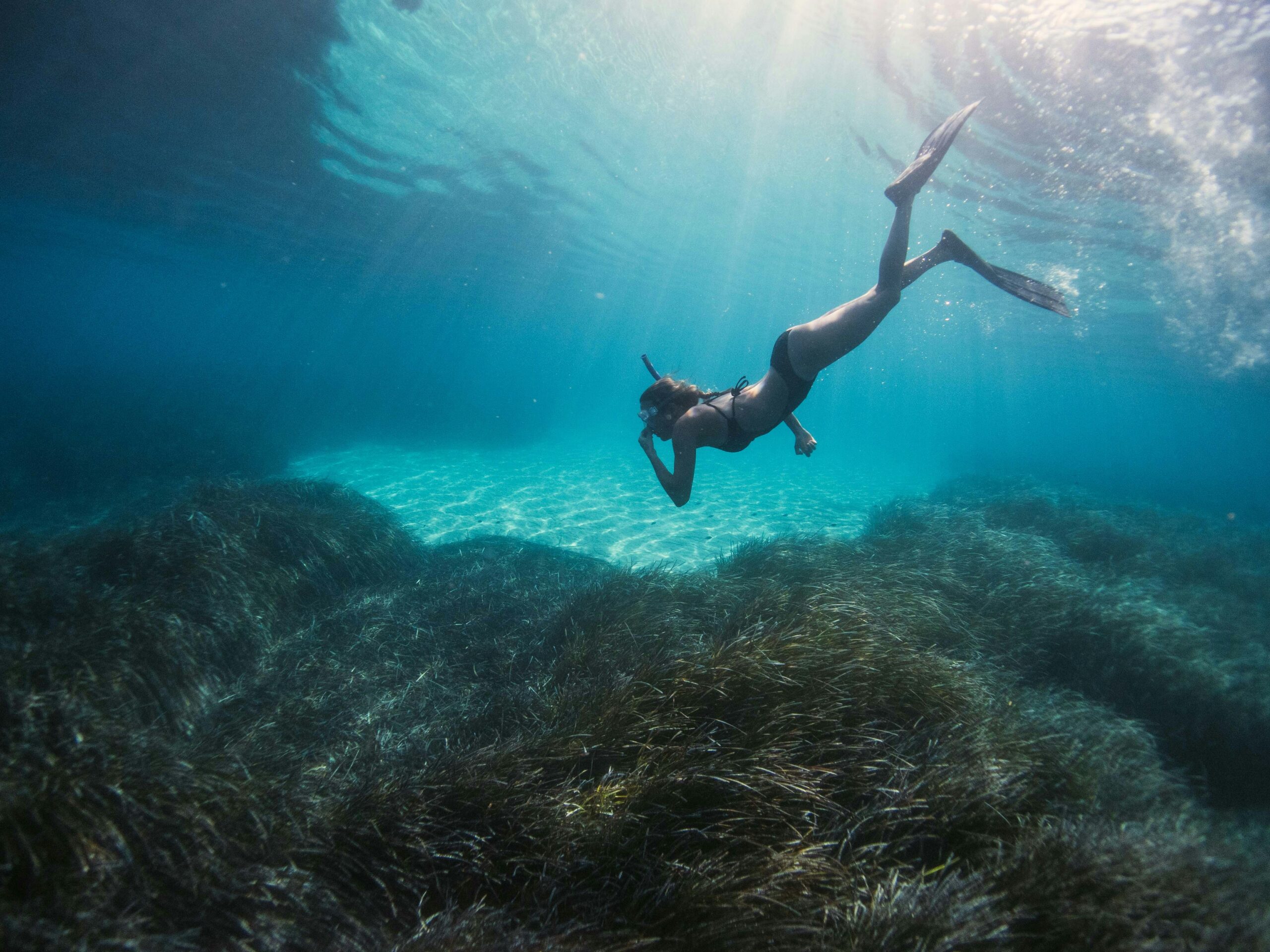
Photo by Benjamin L. Jones on Unsplash
1.Research the Best Snorkeling Locations
Hawaii has numerous snorkeling spots, each with its unique flavor. O’ahu has calm waters and accessible beaches best suited for beginners and families, whereas Mauna Kea Beach is for experienced snorkelers. When planning a trip, combining snorkeling with other activities, such as whale watching near O’ahu, Hawaii, would help you fully experience the region’s marine biodiversity.
The well-known and most preferred snorkeling spots in O’ahu include Hanauma Bay, Shark’s Cove, and Kahe Point Beach Park, which have clear waters and marine species.
2. Choose the Right Equipment
Proper snorkeling gear and adequate safety gear are essential for an enjoyable and safe experience. The snorkel mask should fit snugly without any discomfort or water seepage. A well-fitted mask with a purge valve and comfortable fins to provide adequate propulsion is a must.
If you are not experienced in using snorkeling equipment, practicing beforehand in shallow waters is advised before diving on the trip. Good-quality equipment is available for rent in Hawaii; therefore, you need not carry your own.
3. Prioritize Safety While Snorkeling
It is recommended to keep an eye on local weather conditions and ocean currents.
- Snorkeling in rough seas or during high tide can be dangerous, especially for beginners.
- Snorkel with a partner and stay within the designated swimming zones.
- Additionally, wear a brightly colored rash guard or snorkeling vest to enhance visibility in the water.
4. Respect Marine Life and Coral Reefs
With constant crowd of tourists, the fragile ecosystems of Hawaii have suffered some damage. The coral reefs provide a habitat for a wide array of marine species, and protecting them is important for preserving the ecosystems.
- Standing on or touching the coral can damage the delicate structures; therefore, avoid doing so.
- Maintain a respectful distance from marine animals.
- Use sunscreen, but make sure it is reef-safe sunscreen to prevent harmful chemicals from polluting the water.
For a better appreciation, educating yourself about the ocean and its inhabitants is advised. It will also help ensure preservation for future generations.
5. Time Your Snorkeling Adventures Wisely
Timing your activities well can enhance your experience. Typically, the morning hours are best as water is calm in the morning. It also provides better visibility and marine life is active during those hours. Late afternoons can present with choppy waters as the winds pick up. It can be rewarding as well.
Activities like whale watching in O’ahu, Hawaii can be a great experience. December to May is whale migration season and provides an extraordinary opportunity to watch the majestic creatures in their natural habitat.
Prepare to Be Amazed
Snorkeling in Hawaii can be enjoyable and an adventurous experience, as well as an exciting opportunity to immerse oneself in one of the planet’s most beautiful marine environments. Following the above tips will help you ensure a safe and adventurous snorkeling trip.