
Your university residence is not only a decision about how and where you live, but it’s also a key component of your academic journey. It can affect your study habits, social life, and even your mental health. Plus, it often determines how you spend your time between classes and studying.
The Commute is Costing You More Than Time
A lengthy commute not only takes up your time but also uses up the mental energy that could be used for reading, catching up on lectures, or even just resting.
You could think of it as a daily toll. For example, a student who commutes one and a half hours each way is on the road for about 15 hours per week, a significant number of hours that could be spent planning assignments, conceptualizing group projects, or joining a study group. By the time they’re parked at a lecture desk, however, they’ve already used up that “fresh” time.
Using multiple forms of transportation compounds the stress, and the unpredictability. Missing a bus because your train was late can throw the entire morning off balance, and potentially ruin that disciplined 9am-11am study group window. Students who eliminate that friction tend to attend more lectures, arrive less frazzled, and recover from late nights faster.
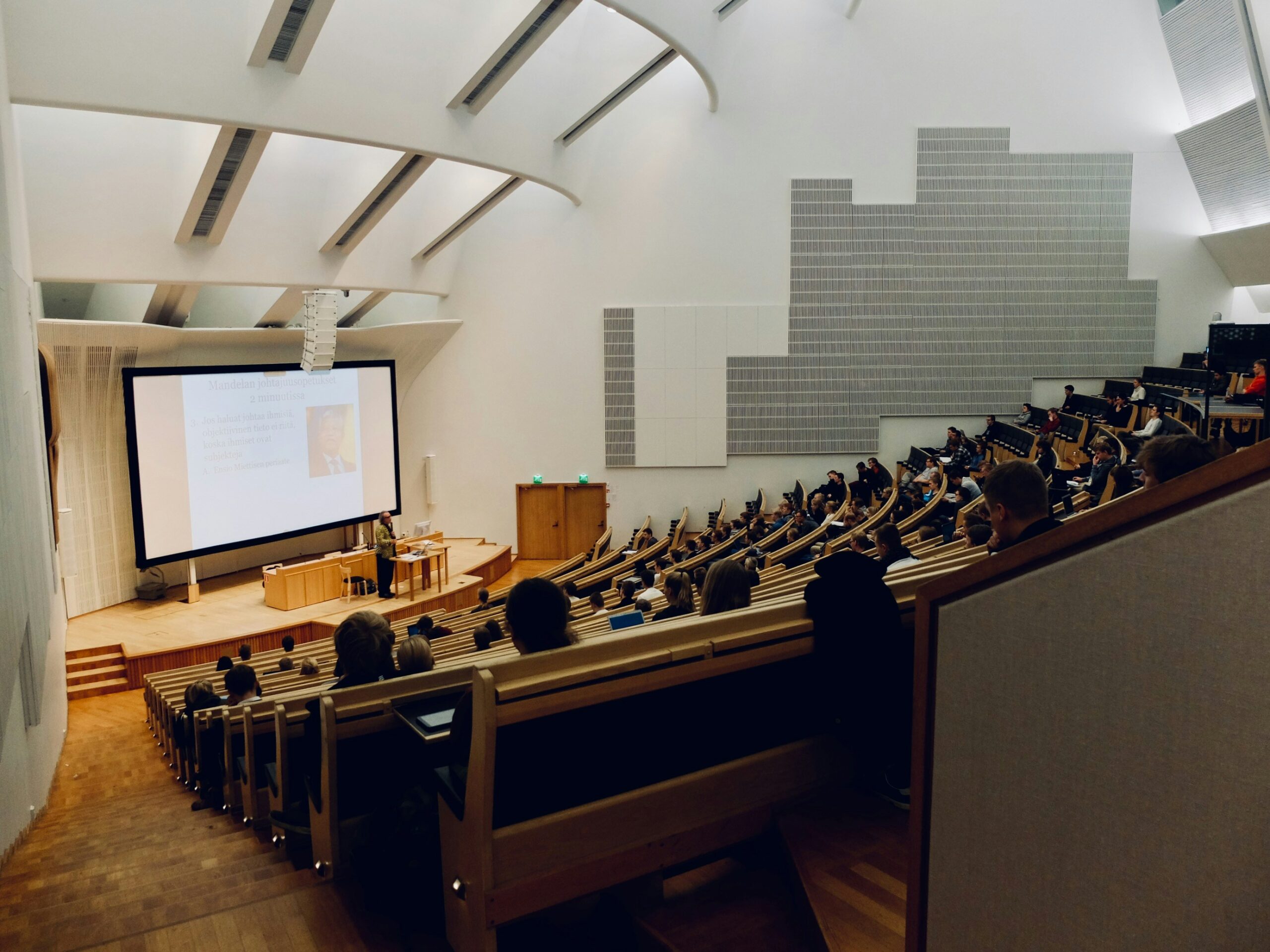
Structured Environments Function as Academic Accelerators
Special housing solutions such as purpose-built student accommodation and residential colleges not only eliminate the need for commuting but also facilitate academic performance through appropriate design and support systems.
For instance, study rooms, quiet zones, and on-site libraries offer students conducive environments for better concentration. Peer tutoring programs and resident academic mentors guide first-year students to adapt to university-level coursework. Pastoral care systems provide support to struggling students before it’s too late.
Students who secure residential accommodation for UniMelb students are instantly provided with all these systems. They do not have to worry about private rentals and can immediately become a part of an academic community. They will be surrounded by other students who are facing similar challenges and issues. The daily ambient contact with high-achieving peers motivates them to perform even better.
The statistics back this up. On average, students living in university-affiliated housing or on campus score between 0.2 and 0.5 GPA points higher than those students who commute or rent private unaffiliated accommodations (Journal of College Student Development).
Shared Housing Introduces Variables You Can’t Always Control
Private rentals and share houses are the default for many university students, and they work fine for some. But they carry risks that don’t show up on a lease agreement.
Noise conflicts are the most obvious. When a housemate works night shifts, hosts guests on weeknights, or simply has different standards for quiet hours, your sleep hygiene suffers. Poor sleep doesn’t just make you tired, it measurably impairs memory consolidation, which is the process your brain uses to convert what you studied into something you can retrieve during an exam.
There’s also the domestic load. Managing bills, chores, grocery runs, and house disputes all require executive functioning, the same cognitive systems you need for time management and academic organization. First-year students are building those skills for the first time. Adding household administration to that load makes the transition harder than it needs to be.
Nutrition and Physical Wellbeing Aren’t Separate From Academic Performance
Catered accommodations not only save you time cooking. They eliminate a nutrition concern that influences more students than is commonly appreciated.
The “poor student diet” is to some extent a money problem, but it’s likewise a time and decision-fatigue problem. When students are busy, stressed, and skimming the edge of their timetable each week, they resort to what is quick and affordable. The nutritional shortage diminishes cognitive function and vitality, not hugely in the beginning, but gradually over each term.
Having access to steady, healthy meals removes one stressor that adds up in the background.
Loneliness Has a Measurable Effect on Grades
The issue of loneliness spreading among university students is a widely recognized problem. In fact, many students living in solitary conditions like individual apartments or poorly connected shared houses located far away from the university environment complain about increased feelings of anxiety and depression.
But it is not just a mental health issue. The heightened levels of anxiety and depression, for example, can cause problems in studying since these types of mental issues directly impact working memory and the ability to remain focused and acquire new information during stressful study and exam times. A student who is continuously exposed to loneliness while studying, even if they are doing everything they are supposed to at the cognitive level, will often find themselves at a disadvantage.
This is because of the social connections that they are missing out on by living in such isolated conditions. Students who live close to campus, in environments that create natural opportunities to meet people, form those networks faster and more organically. That sense of belonging protects against the psychological isolation that derails a lot of first-year students before the end of semester one.
Proximity Shapes What You do With Your Degree
Residing near the campus doesn’t only imply that you can get there without much effort. It means you can also remain longer, attend the networking session, join the club, or review a project with your classmates.
Opportunities such as these, which occur naturally because you’re in the vicinity, foster professional connections and co-curricular accumulation that ultimately determine the success of a graduate. Students who live far away tend to plan their trips and leave. Students who live nearby tend to stick around, get involved, and accumulate all of the above.
Accommodation is infrastructure. Leaving it as a second-order decision, something you will figure out once you get in, means leaving a major performance variable unattended. The student who figures out where they are going to live before enrollment tends to figure out other things sooner after enrollment.