
Thinking ahead about activities for kids can feel oddly emotional. Children grow quickly, and their interests shift before you have a chance to catch up. What felt exciting last year might suddenly feel boring, or too easy, or not cool anymore. Looking toward 2026, the focus for many families is less about doing more, and more about choosing activities that actually add something meaningful to everyday life. Fun still matters. But so does curiosity, confidence, and feeling capable.
Learning That Feels Like Play
Kids learn best when they do not feel like they are being taught. This is why hands on activities continue to grow in popularity. Building kits, science boxes, simple coding games, and creative experiments all blur the line between playing and learning.
These kinds of activities encourage problem solving without pressure. They also allow kids to fail safely and try again, which is an underrated skill. Sometimes the lesson is not in the result, but in how they figure it out along the way.
Physical Activities That Build More Than Strength
Movement remains a cornerstone of healthy development, but parents are increasingly looking for activities that do more than just burn energy. Sports and movement based programs that focus on coordination, discipline, and confidence are gaining traction.
Activities like swimming, dance, martial arts, and gymnastics for kids offer structure while still leaving room for enjoyment. These environments help children understand persistence, teamwork, and body awareness. They also provide an outlet for stress, which kids experience more than we often realize.
Creative Outlets That Let Kids Be Themselves
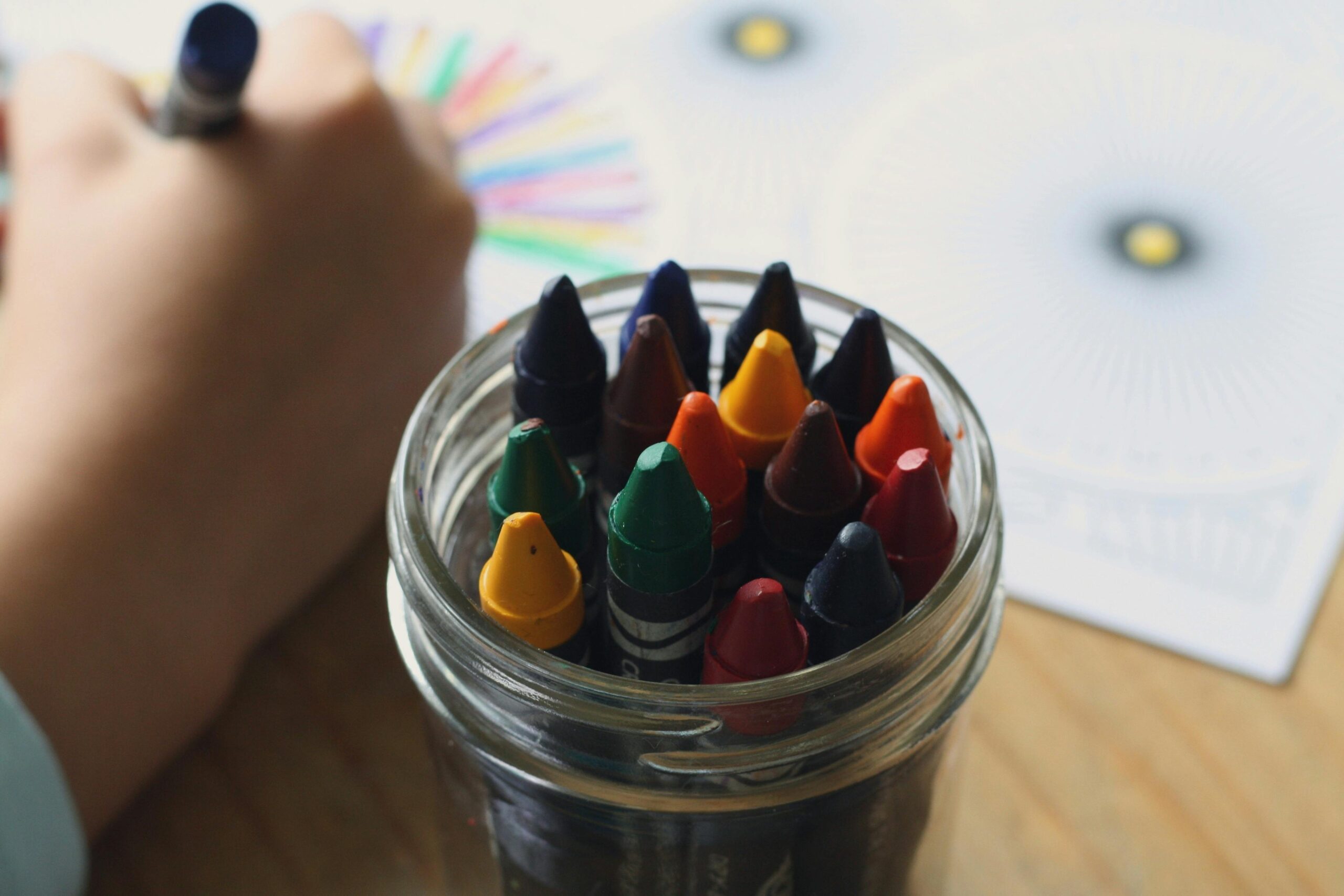
Not every child thrives in competitive or highly structured spaces. Creative activities give kids a chance to express emotions they may not yet have words for. Art, music, drama, and creative writing all play an important role here.
In 2026, many programs are integrating creativity with technology. Digital art classes, music production basics, and storytelling through short video formats are becoming more accessible. When creativity meets modern tools, kids often feel more engaged and capable.
Social Learning Through Shared Experiences
Friendships and social skills are built through shared moments, not lectures. Group activities that encourage collaboration help kids learn how to communicate, negotiate, and support each other.
Clubs, team projects, and community based programs give children space to interact with peers outside of school. These experiences can feel small at the time, but they often shape confidence and empathy in lasting ways.
Choosing Fewer, Better Activities
One quiet trend moving into 2026 is the shift toward fewer commitments. Families are becoming more intentional. Instead of filling every afternoon, they are choosing activities that align with their child’s interests and energy.
This approach leaves room for rest, imagination, and unstructured time. Those moments matter too. Sometimes the best growth happens when kids are bored enough to invent their own fun.
Choosing activities for children is never an exact science. What matters most is paying attention. Watching what lights them up. Noticing when something no longer fits. In 2026, the most impactful activities will be the ones that balance learning, joy, and a sense of belonging.