
Gardening is often a labour of love, but nothing ruins your efforts faster than a swarm of pests devouring your plants overnight. While commercial pesticides provide a fast solution, you might have pets or health related issues to think of before taking steps to rid yourself of your pest problems. There are many healthful alternatives that can provide a safer and longer-lasting solution. With design principles and plants and elements that discourage unwanted pests, you can develop a sustainable ecosystem that is both aesthetically pleasing and balanced. We will discuss how thoughtful decisions can turn your garden into a pest-free sanctuary.
Via Unsplash
Select Pesticidal Plants
There are many plants that have essential oils that pests abhor. Some of the best examples include lavender (which repels mosquitoes), rosemary (aphids) and lemongrass (rodent repellent). Using these plants as part of your garden border, or as a bed, can not only provide an added fragrance to your garden, but they will also provide a “living” barrier against unwanted pests. In addition, these plants are generally low maintenance and are attractive to beneficial pollinators, which assist in maintaining the ecological balance of your garden. Therefore, you get to benefit from having a pest-free garden while creating a low-maintenance environment.
Attract Beneficial Animals
Not all insects are bad, and there are many beneficial insects and animals that can assist in managing pests in your garden. Ladybugs eat aphids, and birds eat grubs, beetles and caterpillars. Creating environments that support beneficial animals, such as birdbaths, nesting boxes, and flowers that contain nectar, will encourage these beneficial animals to visit and stay in your garden. In addition, allowing parts of your garden to go unmanicured will allow beneficial creatures such as frogs and hedgehogs to find shelter. While these creatures may appear to be simply sitting in your garden, they will be working behind the scenes to minimise the amount of chemical pest control you will need to use for the real problems.
Use Companion Gardening Techniques
When selecting companion plants, you can create an environment where pests are confused or discouraged from entering your garden. Basil and tomato plants are a perfect example of companion plants because basil repels whiteflies, and onions and garlic are known to repel carrot flies and aphids. Companion plants can provide a safe environment by protecting your more delicate flowers and vegetables, similar to assigning bodyguards. Your garden will then be able to withstand a greater number of pests and diseases.
Prevent Monoculture
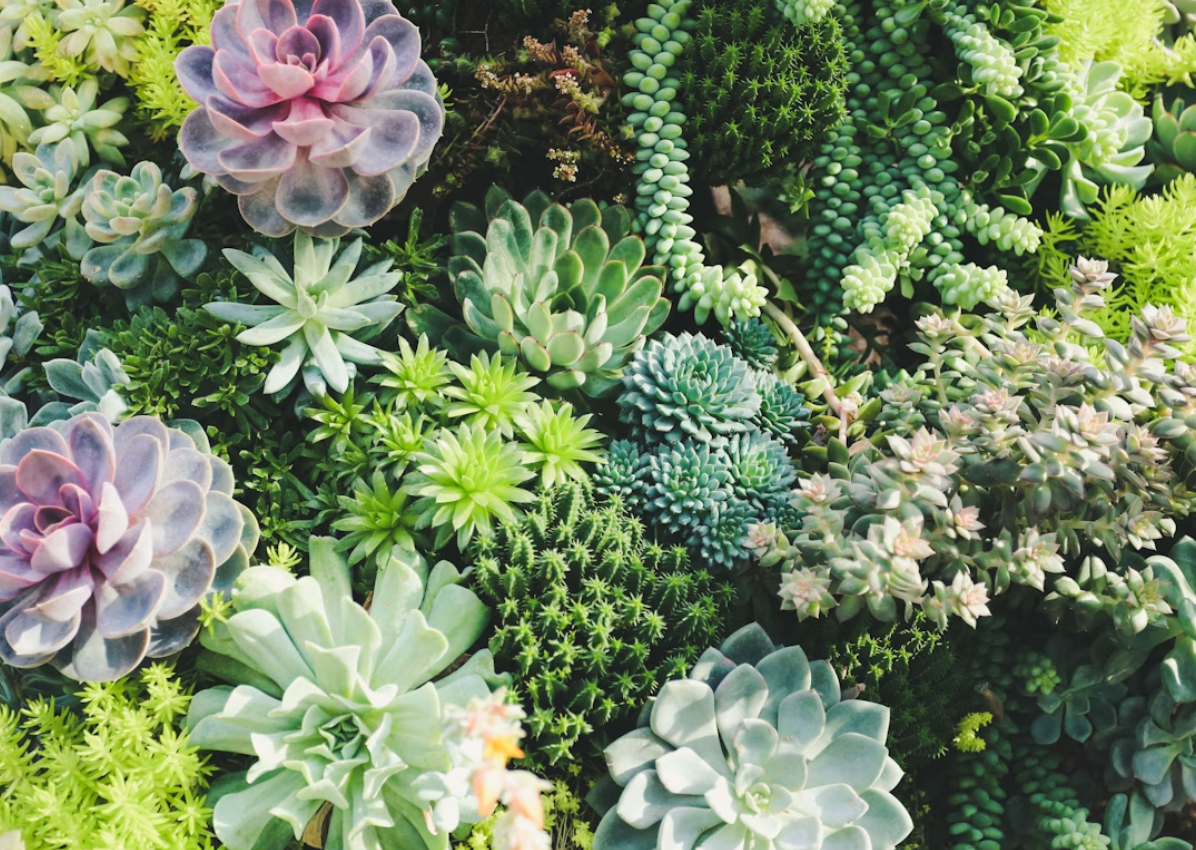
Monoculture gardens with only one type of plant are prime targets for pests that prey specifically on that type of plant. To prevent this, it is essential to have a diverse selection of flowers, herbs and vegetables in your garden. Diverse gardens are less likely to experience total devastation from a pest infestation, and the chances of encountering a pest are significantly reduced. In addition, a diverse garden will look better, be more interesting and offer a new variety of plants and flowers to enjoy throughout the growing season. Diversity is not only the spice of life, but it’s the shield your garden needs to protect itself from pests.
Use Barrier Plants
Certain plants are capable of serving as a wall to protect the rest of your garden from pests. Plants with thick, textured leaves or spiny stems are capable of discouraging crawling insects and some animals from entering your garden. Nasturtiums can be used as decoys to lure aphids away from your vegetables, and chives located around the perimeter of your garden can repel mites and beetles. Locating barrier plants near entry points and along the edges of your garden will provide an additional layer of defence against pests. These plants function as silent sentinels, requiring minimal maintenance.
Via Pexels
Maintain a Healthy Soil Environment
The foundation upon which a healthy garden is built is a nutrient-rich, well-draining soil. Strong plants grown in soil rich in nutrients and microorganisms are less susceptible to disease and pests. Incorporating compost, mulch and organic matter into your soil will improve its structural integrity and encourage beneficial microbes and worms to inhabit the area. The underground helpers that break down toxins and make nutrients available to your plants are critical components of a healthy garden ecosystem. The stronger your plants are, the less attractive they are to hungry insects.
Add Thoughtfully Selected Trees
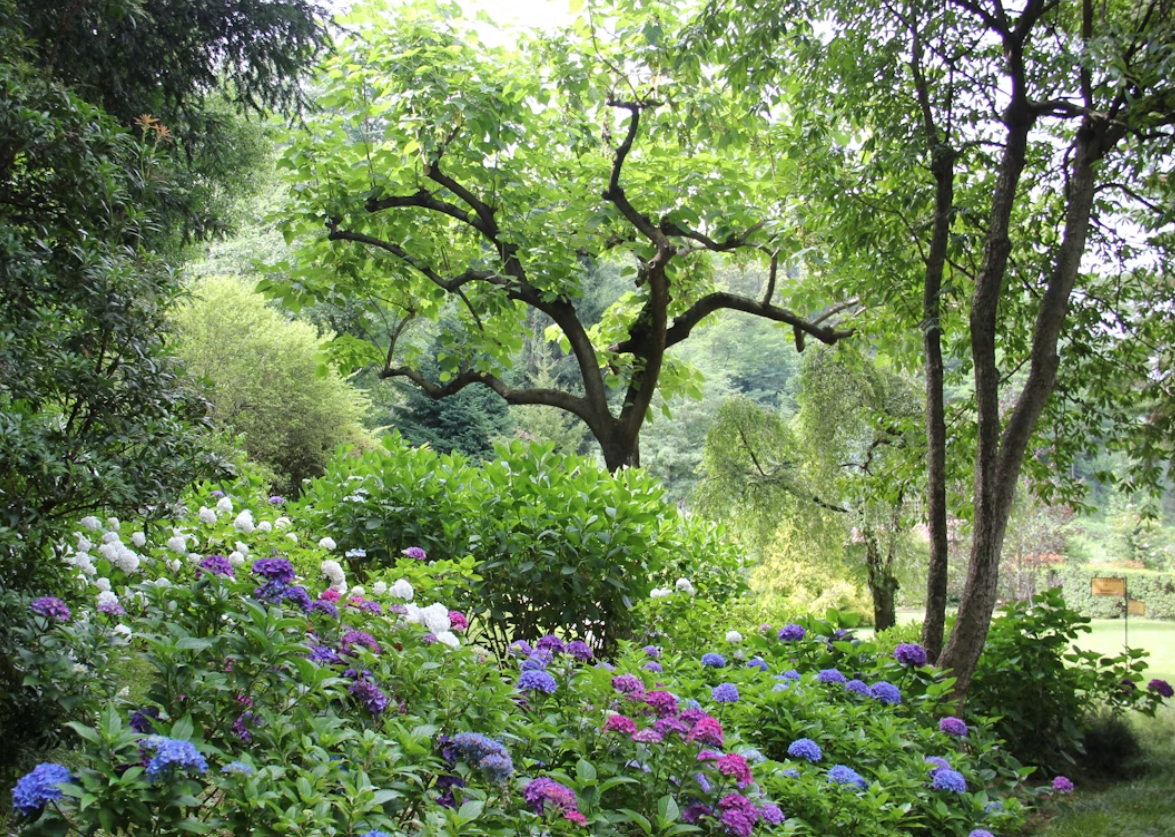
Many gardeners focus solely on the beds and shrubs of their garden. However, adding larger elements such as evergreen trees can not only add structure and protection to your garden year-round, but also help to block pest migrations from neighbouring areas. In addition, the shade provided by evergreen trees will help to reduce wind damage to your garden, and the foliage will provide habitats for birds and beneficial insects that will help to manage pest populations. When thoughtfully selected and integrated into your garden, trees can provide both aesthetic and functional benefits.
Reduce Standing Water
Standing water can be an attractive feature; however, it can also provide an ideal breeding location for mosquitoes and other pests. Circulating the water in your ponds and fountains on a regular basis, and treating them with mosquito dunks that do not harm wildlife, will help to prevent a large mosquito population from developing. Refill birdbaths on a regular basis to ensure that the water remains fresh, and avoid leaving standing water in small containers under pots and other areas of your garden. Keeping water flowing will greatly reduce the likelihood of a pest population explosion.
Conduct Regular Seasonal Cleanups
Many pests spend the winter months hiding in leaf litter, dead wood, and dense brush, awaiting the first warm weather to begin their invasion. Removing dead leaves, pruning diseased branches, and turning over the soil will disrupt their life cycle. Cleaning up your garden during late fall and early spring allows you to remove debris without disrupting beneficial insects. Seasonal cleanups also give you the opportunity to inspect your garden for signs of eggs and larvae before they can cause significant damage. Seasonal care of your garden is not only important for aesthetics, but also for the overall health and resilience of your garden.
Implement Physical Barriers
Physical barriers can sometimes be the simplest and most effective way to exclude pests from your garden. Netting, cloches and row covers are a few examples of common physical barriers that can be used to protect your plants from pests. These barriers can be particularly effective when used to protect young plants, which are most vulnerable to attack. Use mesh screens to prevent cabbage moths from laying eggs on your cabbage, broccoli and cauliflower, and use collars around the base of your plants to prevent cutworms from reaching your seedlings. Unlike chemicals, physical barriers will not degrade over time and will not pose a threat to beneficial insects and pollinators.
Conclusion
Creating a garden that resists pests doesn’t require heavy chemicals or constant stress. By using nature’s own systems and making smart design choices, you can build a space that protects itself. Every plant, feature and layout choice can serve a dual purpose—pleasing to the eye and hostile to invaders. The result is a thriving, low-maintenance garden that rewards you all year long. With patience and planning, you’ll enjoy the harmony of a garden that grows stronger, not more fragile, with each season.