
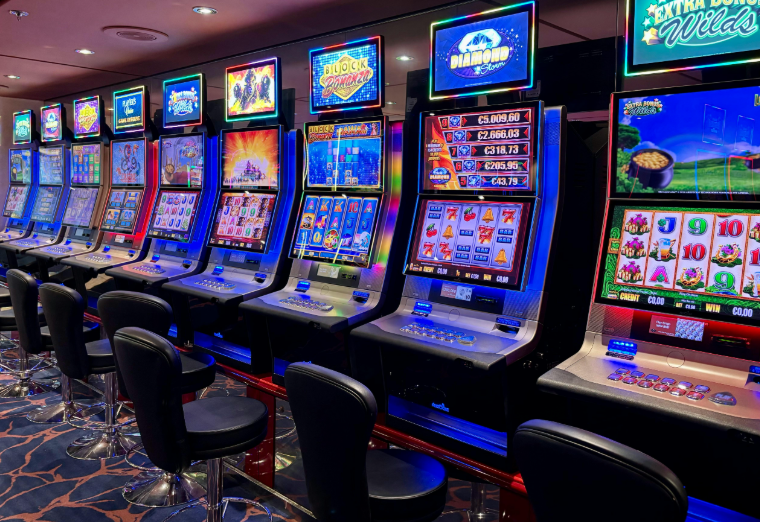
Casino games used to feel tied to a place. You’d go somewhere, stay for a while and the night would revolve around it. It wasn’t something you casually picked up for a few minutes or fitted in between other things. It had a clear start and end.
That doesn’t really hold anymore. Now it’s common to see online casino games sitting alongside everything else people do at home. You finish work, sit down, check your phone, maybe put something on in the background and it all blends together. Casino play fits into that without needing its own space or much thought.
Part of that comes from spending more time at home. As that’s become normal, evenings have shifted with it. It’s less about one main plan and more about moving between smaller things. A bit of TV, a scroll through something, a quick game, then something else. Casino games haven’t led that change; they’ve just slotted into it.
It used to feel like something you planned
There was more effort involved before. You made time for it, went somewhere and stayed there. Even if it was casual, there was still a sense that you were doing something specific.
At home, that structure drops away. You open a game, spend a bit of time on it, then move on. You might come back later, or you might not. It doesn’t feel like you’ve left anything unfinished, because nothing was set up to begin with.
That’s the difference. It feels lighter. Less like an event, more like an option sitting there when you want it. For some people, it’s not even something they think about in advance. It just becomes part of how the evening unfolds.
Now it fits into how people already use their time
Evenings aren’t built the same way anymore. People move between things without thinking too much about it. One thing rarely holds attention for long and that’s not necessarily a problem.
You see that in gaming more broadly. Mobile now makes up over 50% of global gaming revenue, which says a lot about how people prefer to use their time. It’s not about sitting down for a long session. It’s about being able to start something quickly and leave it just as easily.
Online casino games follow that same pattern. They don’t need to take over the evening. They just fill a gap when it’s there. You don’t plan it in advance; you just end up doing it because it’s available and easy to access. That shift is less about the games themselves and more about how people fit them into everything else they’re already doing.
Short sessions are what changed it most
The biggest difference is how easy it is to start and stop. Phones made that normal. You dip in, then out again, often without thinking too much about it.
That behavior carries over to casino use. More than 60% of online gambling traffic now comes from mobile devices, which lines up with how people use everything else on their phones. It’s quick, it’s simple and it doesn’t need your full attention.
Sometimes it’s just a few minutes while you’re waiting for something else. Sometimes it stretches a bit longer. Either way, it doesn’t need to be planned. It just fits into whatever time is there. Over time, those short sessions become routine without standing out. They’re not separate from the rest of the evening; they’re part of it.
It doesn’t feel separate anymore
Casino platforms used to feel like their own thing. Now they sit alongside everything else on the same device. You don’t switch environments; you just switch activities.
That’s reflected in how the space has grown. Online gambling is increasing at around 11–12% each year, largely driven by mobile access and easier entry points. That kind of growth lines up with what people are already doing rather than changing it.
In places like Tanzania, where mobile use has expanded, casino platforms are part of the same digital space people already use every day. You might move from messaging to streaming to a game without thinking about it. Nothing feels separate and nothing needs to.
Going out hasn’t disappeared, but it’s changed
Going out still exists, but it’s not the only way people think about casino experiences anymore. It’s one option rather than the main one. Instead of planning a night around it, people now fit casino play into their own routines. It might be part of a quiet evening, something you check briefly, or something you come back to later. It doesn’t have to feel like an event. That shift makes it more casual, but also more frequent. It’s easier to return to something when it doesn’t require much effort to start again.
There wasn’t a clear moment where this changed. It happened gradually. More time at home, more time on phones and more ways to fill small gaps. Casino games didn’t change as much as how they’re used did. They’ve moved from something you plan around to something you pick up when it suits you. Now it doesn’t really feel unusual. It just feels like part of how people spend their time.