
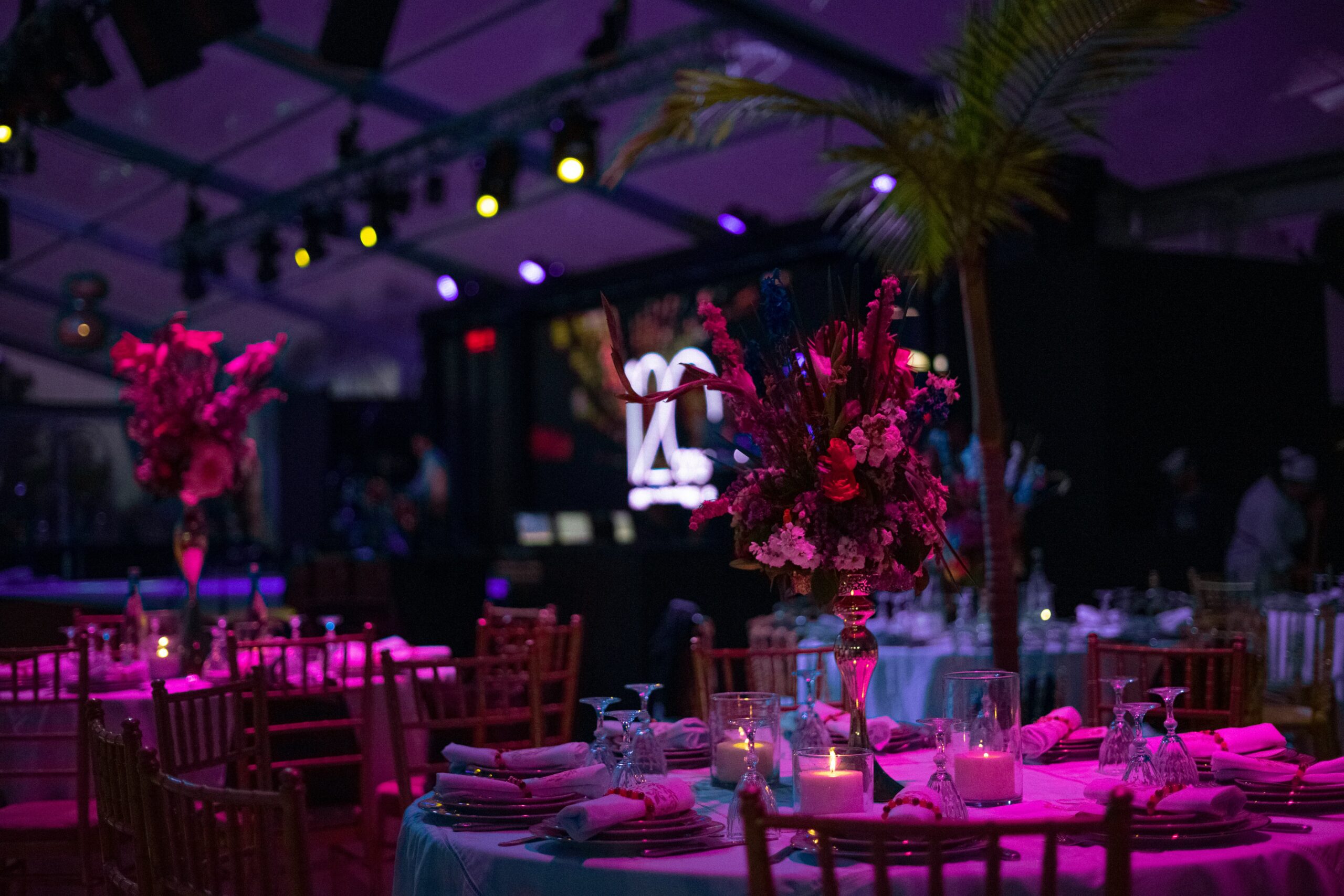
Photo by HamZa NOUASRIA on Unsplash
Planning an event involves more than just booking a venue and sending out invitations. While those are important first steps, real event production goes much deeper. It focuses on the intricate details that turn a simple gathering into a memorable experience. Moving beyond the basics means mastering the technical elements, understanding guest psychology, and hitting strategic goals that define success. Whether it’s a corporate conference, a product launch, or a big celebration, a professional approach considers every variable from start to finish.
Defining Event Objectives
Before you choose a color scheme or a catering menu, you need to figure out what you want the event to achieve. A clear objective is the foundation for every decision you’ll make. Are you trying to get sales leads for a new service? Is the goal to raise a certain amount of money for a nonprofit? Or maybe you want to make your brand more known in a new market.
Your objective should be specific and measurable. Instead of just aiming to “host a successful conference,” aim to “get 100 qualified leads and have 90% of attendees say they were satisfied.” This clarity helps you focus your budget, content, and promotions on what really matters. It makes sure your event gives you a real return on your investment.
Technical Considerations
The technical side of production is where many events either shine or fall flat. This includes all the audio, visual, and lighting (AV) components that create the atmosphere and get your message across. Bad sound quality can make a keynote speaker impossible to understand, while poor lighting can ruin photos and videos. A truly comprehensive guide to planning will always stress how important professional-grade equipment and an experienced crew are. This is where many DIY planners struggle, which is why specialized teams like Limelight UK Events focus on delivering flawless audio and visual experiences. Today, this also includes digital elements like live streaming, reliable Wi-Fi for guests, and interactive presentation software.
Guest Flow and Experience
Think about the event from an attendee’s point of view. Their experience starts the moment they arrive. How easy is the check-in process? Is there clear signage telling them where to go? The physical layout of your venue plays a huge part in managing how guests move around and preventing frustrating bottlenecks, especially at registration desks, food stations, and restrooms.
The guest experience is also about the overall mood. Music, temperature, and décor all add to the atmosphere. A well-planned event feels easy for attendees. They aren’t thinking about the logistics because everything just works. They can simply relax and engage with the content, the entertainment, and each other. This thoughtful planning is what makes guests feel valued and eager to come back for future events.
Emergency Preparedness
While no one wants to think about things going wrong, a professional event producer always has a backup plan. Emergency preparedness covers everything from small issues to major crises. What happens if your main speaker gets stuck in traffic? What’s your plan for a sudden downpour at an outdoor festival? Having backup plans for common problems prevents panic and lets your team respond quickly and effectively.
Safety is the most critical part. This includes having clearly marked emergency exits, a first aid station with trained staff, and a communication plan for your team. A detailed event production rundown should always include contact information for local emergency services and procedures for different situations. This preparation makes sure you can protect your guests and staff no matter what happens.
Post-Event Analysis
Your work isn’t done when the last guest leaves. A thorough post-event analysis is key for measuring success and making future efforts better. First, collect feedback. Send a short survey to attendees, sponsors, and vendors to get their thoughts on what went well and what could be improved.
Next, check your performance against the goals you set at the beginning. Did you hit your fundraising goal? Did you get the number of leads you were aiming for? Analyze the data, from attendance numbers to social media engagement. This information gives you concrete proof of your return on investment and valuable insights to make your next event even better.
Ultimately, mastering event production means moving from reacting to problems to actively preventing them. Focusing on these advanced principles helps you create experiences that not only run smoothly but also achieve their strategic goals.