
Collaborative Post
Feeling off when spending time at home? It might be related to your colour scheme. Discover how colours influence the mood of your home and which shades best suit each room.
What is colour psychology?
Colour psychology explores how different colours impact our mood and behaviour. Studies have shown that each shade has a unique effect on the mind, either calming or exciting our emotions and actions.
This suggests that the colours we use in our homes are just as important as the lighting, temperature and furnishings in achieving our desired atmosphere. Explore which colours have what effect and where to use them in your home.
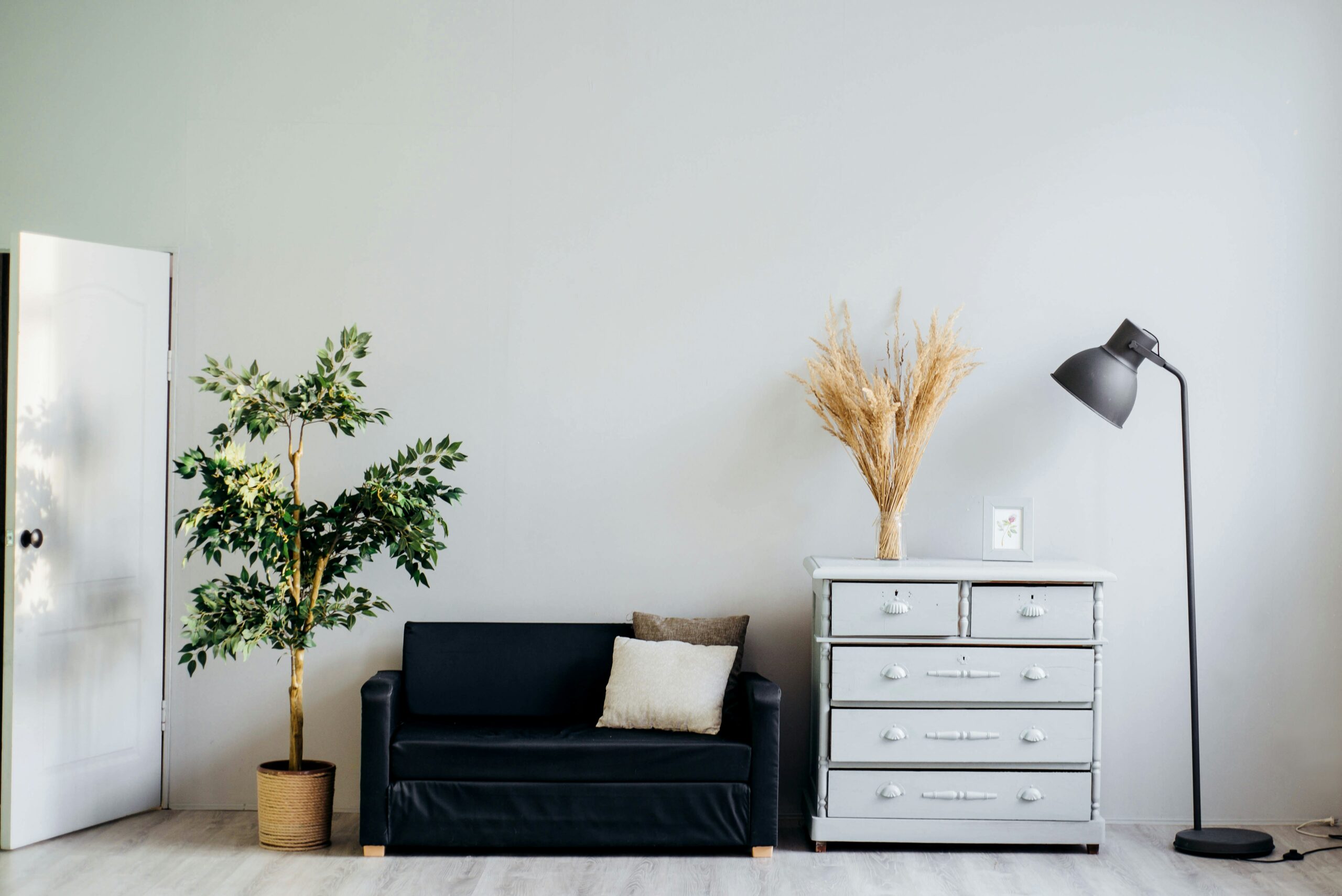
Photo by Alexandra Gorn on Unsplash
The best colours for each room
Living room
Your living room is both a daily refuge and an entertaining space so your colour scheme should be warm and welcoming. Neutrals work especially well because they are light and bright and create calm as they don’t compete with other elements of the room.
White can look stark, especially in larger spaces, so consider colours which are a bit richer such as cream, beige and stone or warmer earthy hues like mushroom, taupe and tan.
Bedroom
Associated with nature from the sky to the sea, blue is considered the best colour for the bedroom if your priority is quality sleep. Blue is said to calm the nervous system, slow your heart rate and reduce blood pressure, all of which encourage you to drift off quickly and stay asleep for longer.
The choice of blue shade is entirely up to you. Navy creates a cosy cocoon, especially in large spaces that can take the shrinking effect, while light blue is gentle and immediately peaceful.
Kitchen
As the heart of the home for many, especially those with open living spaces, the kitchen should be uplifting. Choose colours that encourage a convivial atmosphere such as yellow which evokes the idea of sunshine and green which inspires the tranquillity we feel when in nature and has an appealing freshness.
Remember that you’re not limited to the walls when it comes to colour. You can find green kitchens with painted cabinets and coordinating countertops in hues ranging from sage to forest, and use a complementary shade on the walls and floor.
Office
In spaces where you want to be productive such as your home office, you’ll benefit from bright colours which are stimulating. Don’t shy away from vibrant shades but be strategic in how you feature them as they can induce stress when applied too liberally.
Keep the main scheme neutral and calming while picking up your bright colours in accents, such as the curtains, accessories, office furniture or one statement wall.