
Outdoor weddings look great in photos. Until the couple has to start thinking about all the details, and then they realize that it is much more complicated to pull off than they imagined.
There is an allure to having your wedding outdoors. It often feels like a more personal affair without the constraints of traditional reception venues. Pulling it off, though, requires more thought about the logistics and setups than you might initially anticipate.
Weather Is the Big Thing Everyone Pretends Doesn’t Exist
The most common approach that couples take when planning outdoor weddings is to ignore the possibility of bad weather and simply hope for the best. That works well enough until about three days before when the forecast looks dicey, and you start to panic.
A much smarter approach is to plan for whatever Mother Nature might throw at you. Rain, wind, extreme temperature swings, and even harsh sunlight all cause issues that compromise the comfort of your guests, the flow of the event, and maybe even all the careful planning you put into it.
This is one of the areas where hiring professionals that have some experience with outdoor events really pay off. Choices through something like Spuds Marquee Hire wedding marquee hire can help keep that outdoor feel while providing you some insurance against bad weather ruining your event.
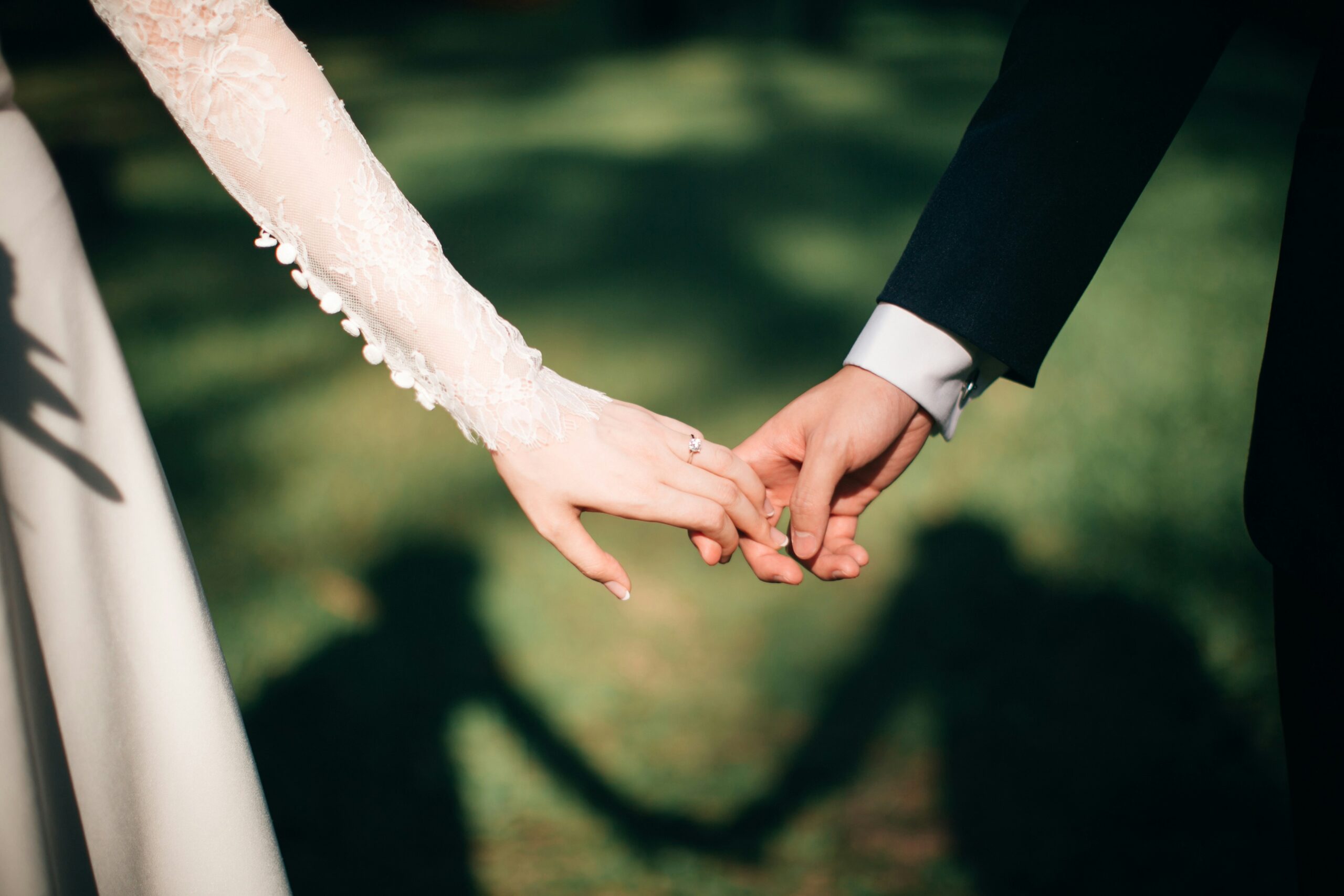
Photo by Jeremy Wong Weddings on Unsplash
Guest Comfort Is a Bit More Complicated
A building with a solid indoor venue naturally maintains a temperature that will remain comfortable for everyone. Those same buildings also offer guests access to restrooms and features solid flooring. When taking the reception outdoors, every one of those guest comfort factors has to be considered individually.
Outdoor temperature can vary dramatically. A very nice wedding in a comfortable afternoon temperature could easily turn into a miserable reception several hours later as the temperature drops. The opposite can also be true. Extreme midday heat might not seem problematic when you’re planning it, but it becomes an issue when all your guests are forced to endure it for several hours at a time.
Seating also has a different meaning in regards to guest comfort. The ground itself may not be flat. It might also be somewhat bumpy with some patches of grass that look great in photos but become very functional challenges to people in dress shoes (or heels) trying to navigate them for an evening.
There are also pathways that need to be created between where an outdoor ceremony takes place and where the reception is set up at sunset. You have to consider how your guests will move between areas when natural light no longer helps them find their way.
Restroom facilities might not be something you’re thinking about until late in the planning process. But when taking a wedding outdoors, restroom facilities can become more challenging to manage. Portable restrooms have come a long way over the years, but they still require planning in regards to placement and availability. You don’t want them to be a negative factor for your guests’ experiences.
Sound and Lighting Are Separate Considerations
An indoor venue has built-in lighting as well as sound-enclosing walls. An outdoor venue has neither of those key components.
Sound amplification is far more important in an outdoor ceremony than many people imagine. With no walls to bounce sound off of and to carry it through a building, even small guest counts require some type of amplification system in order for everyone in attendance to actually hear what’s going on. Otherwise, people just won’t hear your vows or speeches.
Lighting offers its own unique challenges as twilight falls across your outdoor reception area. What looked beautiful during golden hour becomes very different as it turns into the actual darkness that comes after sunset. You can plan for lights that create atmosphere but does not consider the general visibility needed by all your guests. Good lighting prevents slips and falls by helping people see how they are navigating through the area.
Good light won’t just come from putting up a few fairy lights outdoors. Professional lighting firms can provide atmospheres that accommodate lighting for general visibility, accent lighting for atmosphere, and task lighting for key practical areas.
Logistics Are a Bit More Convoluted when There Are No Walls
An indoor reception venue conveniently has built-in storage areas. Venues offer power source options like a number of outlets per room. Things get set up and torn down in a timely manner as long as everybody is on schedule.
Those outlets don’t just power lights in the venue. Vendors typically need electricity for their equipment while working on your reception meals, DJ booths all need power, charging ports are commonly used and pop up everywhere throughout parties, and heaters (or air conditioners) are other considerations. Every power source needs to be planned before arrival at an outdoor wedding.
The same setup time often applies to setup delays. It can take rental companies days to properly set everything up even for smaller weddings in traditional venues that are already constructed. Outdoor venues offer a much wider area for couples looking to host larger guest counts with a “do-it-yourself” approach but can quickly become complicated while staying organized. You will need access to the outdoor area for the day before the wedding in order for all the setups to be made.
Breakdown times expand and can be delayed post-party as well due to all the various equipment forms that must be cleaned up after the fact.
Unlike an indoor venue with hidden areas dedicated specially towards vendors, outdoor venues do not naturally provide such protected areas for caterers, bartenders, musicians, DJs, etc. Consideration needs to be given through planning much like when setting up an actual home kitchen when working on food for extended periods of time.
Permits and Regulations Sneak Up on You
Various locations require permits for events regardless of whether it’s on public or private property. Regulations and limitations also vary by venue location.
Many parks restrict amplified music in public parks during certain hours while providing access licenses up until those hours or even after if special requests are made. Other public venue sites only allow certain guest counts or may have specific requirements for insurance coverage levels.
Alcohol is usually another area where outdoor weddings need licenses specifically approved by individual states during their safety trainings. Others may require approved serving permits held by the servers specifically and not necessarily coming from the bride or groom getting them covered or required quality certifications. Finding out these regulations late during planning can create definite challenges.
Noise ordinances target a variety of restrictions on land use entities at all times of day on outdoor events (including residential and non-residential zones) that individuals getting married often aren’t even aware exist unless they’re notified by someone else after it’s already too late
Making It Work without Losing Your Mind
Outdoor weddings absolutely work; they just take a lot more time and effort to organize when compared with indoor events.
Couples who are successful with creating beautiful outdoor wedding receptions are those who rely upon their own personal experiences plus also remember this timeline from other couples who unluckily made these rookie mistakes instead of attempting to figure everything out during crisis moments at their own weddings.
It takes an increase of effort but only a little bit of consideration to improve your experience and allow your guests to truly enjoy every moment without any interruptions marring their memories of your special day.