
Collaborative Post
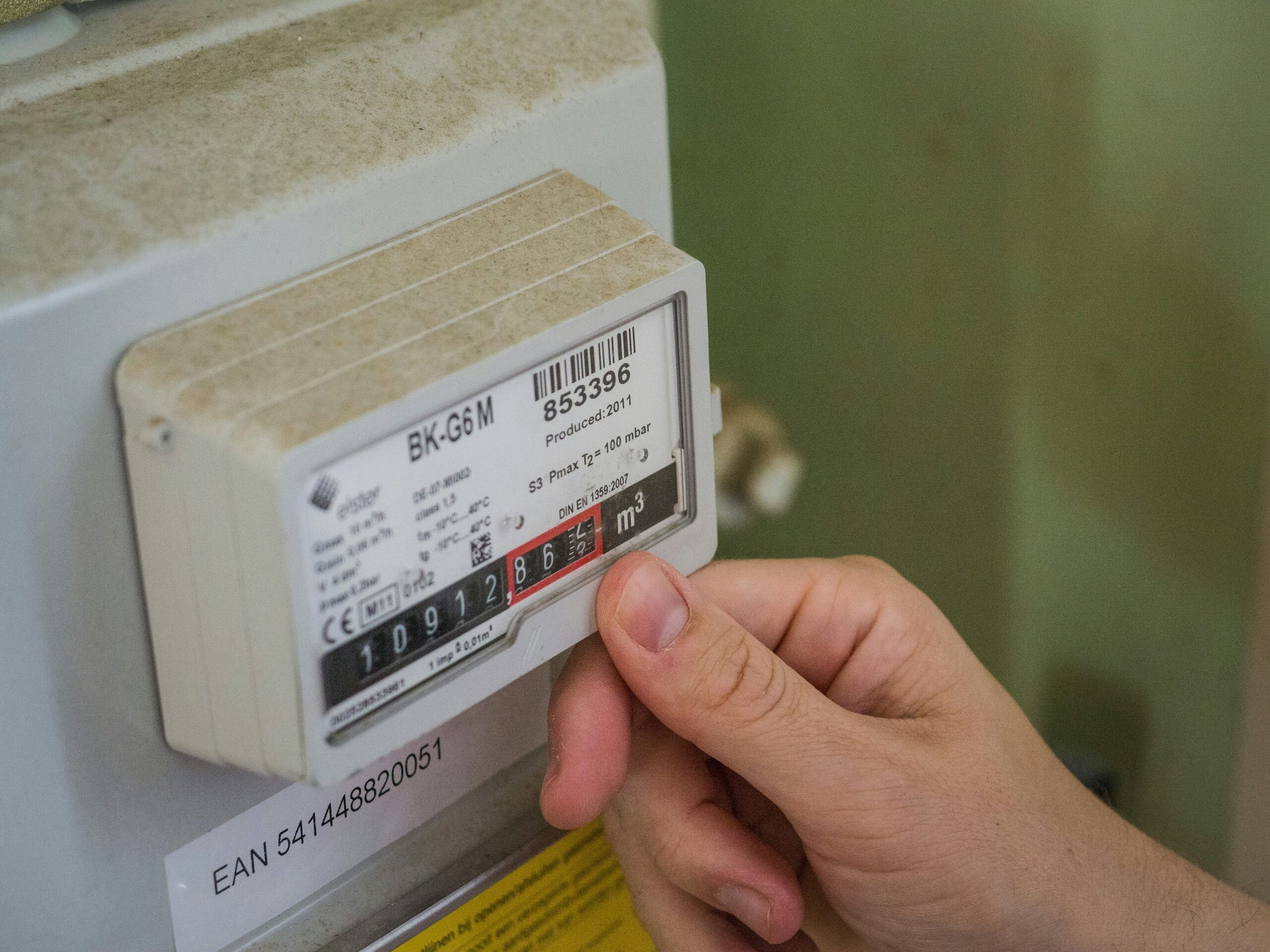
Photo by Arthur Lambillotte on Unsplash
Every household has to deal with financial stress that can spiral if you don’t take steps to get it under control. The problem is that everything you do requires energy, whether running the washing machine, watching TV or powering your laptop or computer. Because of this, it feels impossible to make long-lasting changes, but that isn’t necessarily true.
Like many things, you must find solutions to reduce your energy bills. Although you can’t go back to the stone age and live without electricity, heat, and water, you can still find ways to reduce energy bills to tackle the cost of living crisis. Here are some ideas to consider to help make this happen.
Turn Your Appliances Off
Your appliances consume energy even in standby mode. Therefore, it could be beneficial to switch them off at the source (especially if you’re going away for a few days). This point doesn’t apply to appliances like your fridge and freezer, but products that start up quickly, such as the TV or your washing machine, could help you save money on your household bills if you unplug them every night.
Track Your Usage
Like many people, you’ve probably received an energy or water bill and wondered how on earth you managed to spend that much this month. This often happens during the winter when you use more energy to heat your home, but you don’t factor in the additional costs. The solution is to invest in a smart meter to track your energy usage. Some models allow you to set alerts and caps for energy each day, meaning you can adjust your usage to ensure you don’t exceed a certain amount to keep your bills at an affordable rate.
Switch to Solar
Another solution could be to switch to renewable energy and use solar power to keep your home bright and warm. This doesn’t apply to anyone renting a property, but if you own your home and are looking for better ways to generate energy and keep your costs low, solar panels could be the answer. Although the installation cost can be expensive, some areas provide grants because you’ve installed them, and you can dramatically reduce (or even eliminate) your energy bills to ease the pressure on your budget in the long run.
Be Smarter About How Much Water You Use
You need to use water, whether for bathing or washing the dishes. However, it’s easy to waste water by running the tap even when you don’t need it. This issue happens most often when brushing your teeth, as many people will keep the tap on for the entire time, even though they only need it to rinse the brush. Furthermore, an efficient dishwasher uses less water than running the tap while doing the dishes, so you can save money there if you can justify it. A few plates and bowls are fine for sink washing, but the dishwasher is much more effective after a big family meal.
Pick the Right Time to Use Energy
Your bills could also be higher than you’d like because you’re not being conscious about when you use high-consumption appliances. The problem is that these peak times are often the only times you’re able to run the washing machine or dishwasher, which can make it difficult to get right. Still, learning when your energy is the cheapest to use could reduce your household bills, even if it means forcing yourself out of bed a little earlier every day.
Draught-Proof Your Home
If you live in an old property, chances are that it isn’t as insulated as you’d like. The house’s age means that cracks and holes have formed or it wasn’t insulated sufficiently when it was built fifty or more years ago. Draught-proofing your home is the solution and can prevent that everlasting chill running through your home on those frigid winter nights and mornings.
Air Dry Clothes
Most people in the UK don’t own a dryer, but those who do might benefit from ditching it altogether. It’s no surprise that dryers consume plenty of energy, which is why air-drying clothes can be more friendly both environmentally and financially. Buy a clothes horse or washing line and hang your clothes to dry, preferably in a room with plenty of light and ventilation. Just keep an eye on any mould growing because of the increase in moisture.
Paperless Billing
By now, almost everyone uses direct debits and paperless billing, but if you don’t, it’s time to get with the times. A direct debit means the money is taken out of your account immediately on a specific date, so there is no risk of late fees which could add unnecessary charges to your monthly bills and cost more than it should.
Cook At Home More Often
The average household spends £31 per week on takeaways, and while everyone deserves a treat now and then, this will add up over the years. Instead of visiting the chippy every week, try once a month. If you’re craving pizza, make your own. There are so many online recipes that you can find excellent guides that mimic your favourite fast food restaurants, so try cooking at home more often and save your cash.
Invest In An Eco-Friendly Vehicle
You already know how expensive it is to run and own a car. From petrol to insurance to road tax to repairs, there’s always something to pay for. You can reduce these costs and help the environment by studying consumer attitudes towards EVs and considering buying one for your family. You won’t spend as much on petrol and a new car requires less maintenance compared to the car you currently drive.
Cutting Down
It can be tricky to find the perfect balance between cutting down on your energy usage and still having the lights on even when you can’t see your hand in front of your face. Furthermore, you need to educate your family on how to save energy and water to further reduce your monthly costs. Despite this, cutting back here and there will eventually add up, meaning you can get the most from your home without breaking the bank on household bills.