
Collaborative Post
Montessori toys are one of the best ways to teach a child in a fun way. Many companies design Montessori toys for toddlers and older children, giving you plenty of options. In addition, you will find toys for babies as young as four months old!
If you’re wondering when the best time is to start using these wonderful educational aids with your child, then it depends on the particular toy you choose. Many Montessori toys provide benefits no matter what age they are used with, but some work better if you wait until your child has reached certain milestones. Here are a few examples.
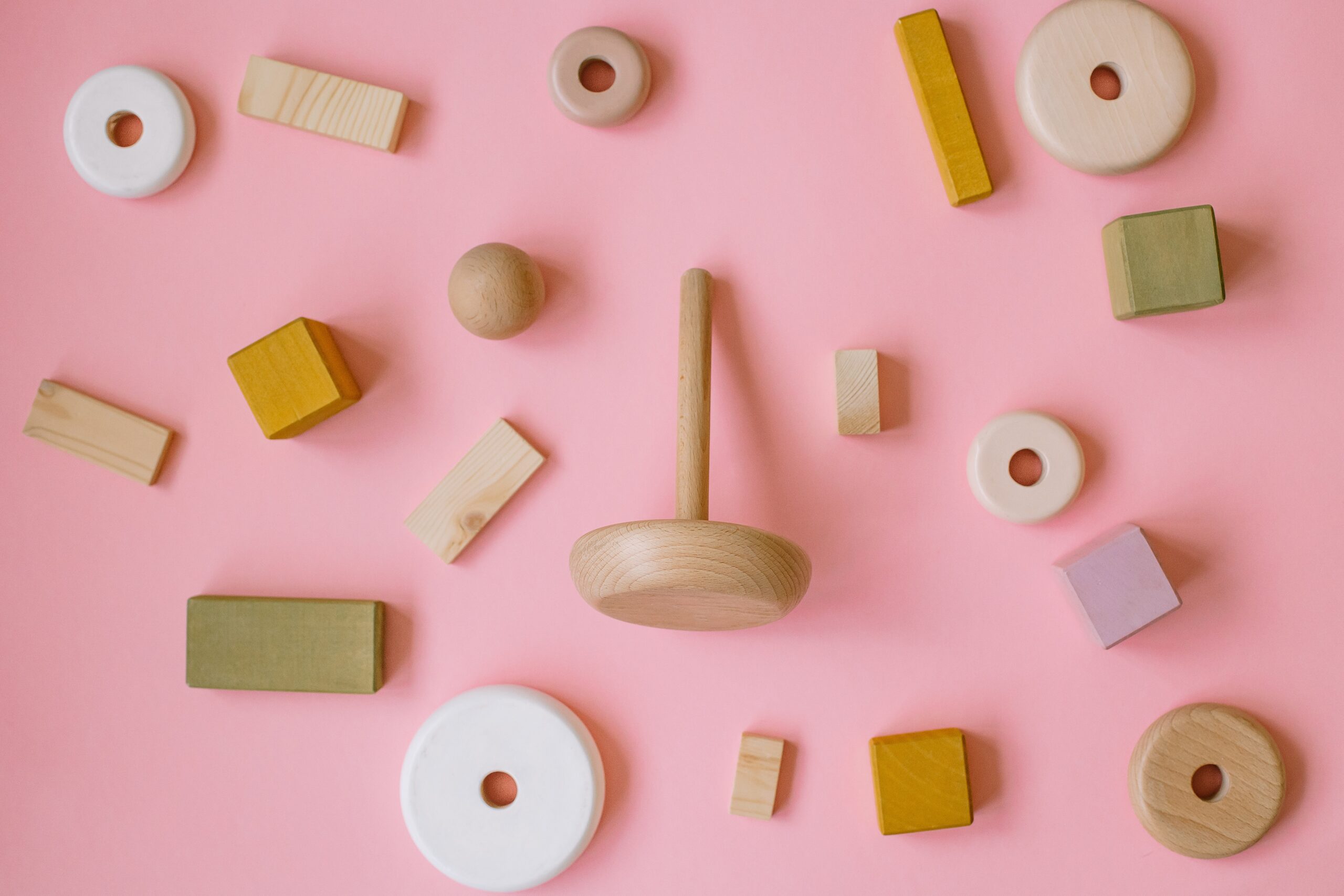
If you’re interested in getting your child started with Montessori toys as early as possible, consider investing in some blocks or puzzles. Benefits of Montessori toys help children learn spatial recognition, visual perception, and other skills that can benefit them throughout their lives. In addition, consider looking into baby gyms and activity centres since these provide sensory stimulation for the young brain and encourage important motor skills development.
As your child grows older and can use more complex toys, you can start introducing things like wooden toy kitchens or dress-up clothes. These interactive pieces engage kids in imaginative play that encourages pretend thinking and memory recall. In addition, they do great practice for socialising with others and help build self-esteem.
The best time to introduce Montessori toys is whenever your child is ready for the challenge. If a toy seems safe and interesting, there’s no reason not to let them play with it! You can also look at what other parents are doing with their children and look for inspiration from experts in the field before making any purchases.
What makes a Montessori toy so special?
It is a toy constructed or manufactured to help your child learn and explore. It provides the right amount of challenge without overwhelming them with too many confusing bells and whistles.
In this section, we will look at how you can use Montessori toys with your child at different stages of development so that they are always learning as they play.
Exploring Sensory Development
One of the areas which most children naturally explore on their own is sensory development. For example, using different materials helps them to know what certain objects feel like; seeing how things can change colour when put into water or rubbed against fabrics gives them insight into nature and science; and exploring sound teaches them about music concepts such as pitch and rhythm.
For example, you can fill a shallow pan with coloured sand or salt and add toys like small blocks or beads so your child can create designs on the sand’s surface. They will love learning to create different patterns and shapes by moving items around using their hands, fingers, or even tools such as scoops, spoons, and tweezers.
This activity is great for helping with their visual tracking skills, hand-eye coordination; fine motor development; touch discrimination; texture appreciation; colour awareness; working memory function (which is required when they are trying to remember where an object was placed); as well as language learning (when teaching them about what each item is, or why they are moving it around).
Creating Language Through Play
Many Montessori toys can also help encourage your child to use their language skills. For example, you can create a ‘memory’ game by placing pairs of matching objects onto plates and then hiding the items behind solid boxes so that your child must remember where each pair is hidden to find them. This will be fun for them and provide them with opportunities to learn new vocabulary—for example, when describing each object they have found and what it is doing (i.e., ‘the blue block is sitting on top of the yellow block’). It will also teach them how sounds can change depending on how an item is used—for example, the sound of something hammering on different surfaces.
Language learning is enhanced when you provide your children with toys that require them to give verbal instructions. This will teach them how to articulate their thoughts and communicate with others. They are being spoken to while providing an opportunity to learn new vocabulary words.
Learning New Math Skills Through Play
Another area in which most children naturally show great interest in math. Many Montessori toys can help your child develop strong math skills by encouraging them to use reasoning and logic skills to solve problems.
For example, you can provide your child with a puzzle where they need to match each shape or number of objects with another available on the board. This will allow them to recognise when things are out of place and require fixing and help their concentration levels to solve problems correctly. It also helps with visual discrimination (so that they learn what different shapes look like), fine motor skills (allowing them to use small movements), and hand-eye coordination. You may even find that your child starts talking about addition or subtraction concepts after using these toys—which are great ways to encourage conversation!
Types of Montessori Toys
The best time to use Montessori toys with your child would be from birth until age six. After that, you can choose one toy or activity each year and follow the recommended activities. When selecting a Montessori toy for your child, remember that it should not contain sharp edges, toxic elements, small parts or chemicals. These could cause additional injury if your child puts them into their mouth. In addition, they should provide hands-on work and stimulate natural curiosity. Below are some examples of Montessori toys and activities that help develop different skills:
1) For older babies (ideally aged ten months old), buy an activity mat where they can explore different textures through their hands and feet. You can also buy stacking cups and nesting bowls to help them develop hand-eye coordination and improve their motor skills.
2) For toddlers, you can purchase floor puzzles that are large enough to keep your child occupied for an extended period. In addition, opt for toys that demonstrate cause-and-effect relationships, such as drums and wooden music boxes. These toys will help develop your child’s sense of timing and rhythm. Finally, remember to give them plenty of blocks to play with! Try sorting blocks by size or colour, as this encourages self-awareness in toddlers.
3) For preschoolers (aged 3-5), buying Montessori materials designed specifically for the area of development your child focuses on will make them feel confident. For example, if you think your preschooler has a knack for math, buying a set of number rods and cards with numbers written in Roman numerals will help improve their skills. Remember to provide Montessori materials designed specifically for the area of development that your child is focused on.
As a parent, the best thing you can do is to let your child explore their environment while using these tools in an open-ended manner. This allows children to gain critical thinking and problem-solving skills and develop their creativity without being ‘taught’ anything directly. To learn more about specific toys for your child’s developmental stage, you can visit Montessori.com for more information.
4) For school-aged children (aged six and up), buy a set of simple tools such as measuring cups or spoons. You can also buy Montessori tools focusing on writing skills, like pencils with soft lead or special slates. Finally, remember to build toys!
Conclusion
To sum up, your child can benefit from using Montessori toys in their early years as they allow them to explore their environment while gaining new skills. The best way to use these toys is to expose them slowly so they can adjust and master each activity before moving on to the next one!